Meta Description: Discover how gut health may influence skin appearance, inflammation, and overall wellness through the gut-skin connection and microbiome balance.
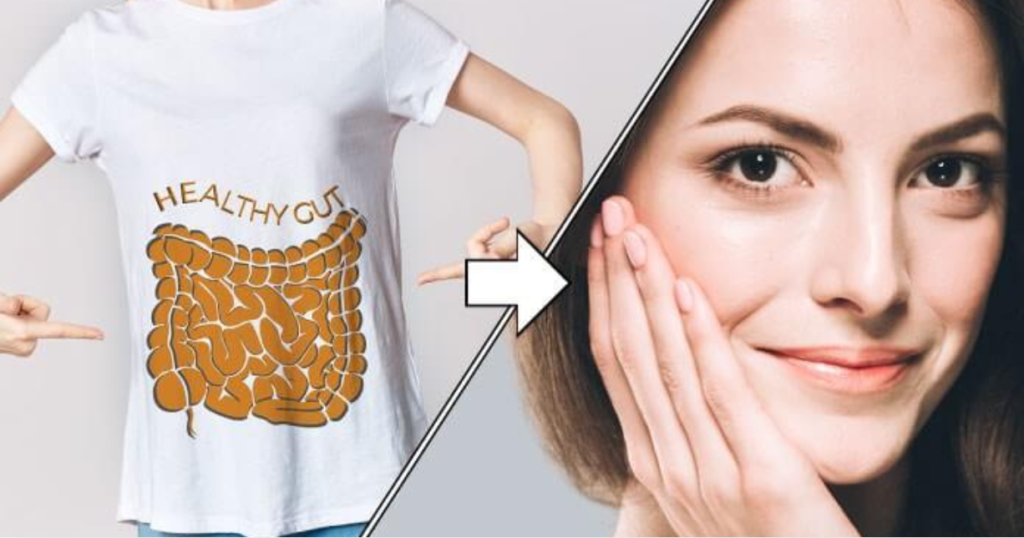
The connection between digestive health and skin condition has gained growing scientific attention in recent years. The gut and skin communicate through complex immune, hormonal, and inflammatory pathways often referred to as the gut-skin axis.
An imbalance in gut health may influence inflammation, immune responses, and skin appearance, while a healthy digestive system may help support clearer, healthier-looking skin.
Featured Snippet: What is the gut-skin connection?
The gut-skin connection refers to the relationship between digestive health, the gut microbiome, immune activity, and skin condition through inflammatory and metabolic pathways.
Understanding the Gut-Skin Axis
The digestive system and skin are both closely linked to the immune system.
The gut influences:
- Nutrient absorption
- Inflammation regulation
- Immune signaling
- Hormonal balance
These factors may directly or indirectly affect skin health.
Related concept
Gut microbiome
How Gut Health May Affect the Skin
1. Inflammation and Immune Activity
Gut imbalance may contribute to systemic inflammation.
Possible effects on skin
- Redness
- Irritation
- Breakouts
- Increased sensitivity
Featured Snippet: Can gut health affect your skin?
Yes, gut health may influence skin condition through inflammation, immune responses, nutrient absorption, and microbiome balance.
2. Nutrient Absorption
The gut absorbs nutrients essential for skin structure and repair.
Important nutrients for skin
- Vitamin A
- Vitamin C
- Zinc
- Omega-3 fatty acids
- Protein
Why it matters
Poor nutrient absorption may affect:
- Skin repair
- Hydration
- Collagen production
3. Gut Microbiome Balance
A balanced microbiome may help regulate inflammation and immune responses.
Factors that may disrupt microbiome balance
- Highly processed diets
- Chronic stress
- Poor sleep
- Frequent antibiotic use
4. Stress and the Gut-Skin Axis
Stress affects both digestive and skin health.
Possible effects
- Altered digestion
- Increased inflammation
- Skin flare-ups
Related concept
Cortisol
Skin Conditions Commonly Linked to Gut Health Research
Scientific research continues to explore connections between gut health and certain skin disorders.
Examples include
- Acne
- Eczema
- Rosacea
- Psoriasis
Related condition
Eczema
Signs That May Suggest Gut-Skin Imbalance
Possible signs
- Frequent bloating
- Digestive discomfort
- Skin irritation
- Breakouts
- Increased skin sensitivity
Supporting Both Gut and Skin Health
1. Eat Fiber-Rich Foods
Fiber supports digestive function and beneficial gut bacteria.
Helpful foods
- Vegetables
- Fruits
- Legumes
- Whole grains
2. Include Fermented Foods
These may support microbiome diversity.
Examples
- Yogurt
- Kefir
- Sauerkraut
- Kimchi
Featured Snippet: What foods support gut and skin health?
Fiber-rich foods, fermented foods, fruits, vegetables, and omega-3-rich foods may support both digestive and skin health.
3. Stay Hydrated
Hydration supports:
- Digestion
- Circulation
- Skin moisture balance
4. Manage Stress
Stress reduction may help both gut and skin function.
5. Prioritize Sleep
Sleep supports tissue repair, immune balance, and hormonal regulation.
Lifestyle Habits That May Harm the Gut-Skin Axis
Potential contributors
- Excess sugar intake
- Highly processed foods
- Smoking
- Chronic sleep deprivation
- High stress levels
Featured Snippet: Does stress affect gut and skin health?
Yes, chronic stress may influence digestion, inflammation, hormone balance, and skin appearance through the gut-skin axis.
Internal Linking Opportunities
This topic connects well with:
- Microbiome health and digestion
- Anti-inflammatory nutrition
- Stress and cortisol regulation
- Skin barrier function
- Immune system balance
Conclusion
The gut-skin relationship highlights the close connection between digestive health, immune activity, inflammation, and skin wellness. While research continues to evolve, maintaining balanced nutrition, hydration, stress management, and healthy lifestyle habits may help support both gut function and healthier-looking skin.
Supporting internal health often reflects outwardly through improved overall well-being and skin vitality.
Important Disclaimer: This article is for educational purposes only and should not replace professional medical advice. Persistent digestive or skin symptoms should be evaluated by a qualified healthcare professional.