Meta Description: Discover common foods that threaten heart health and learn practical strategies to protect your cardiovascular system through mindful eating and lifestyle choices.
Introduction
Your heart works tirelessly every day, pumping blood and keeping you alive. Yet, what you eat can either strengthen it or silently harm it over time. Understanding the common foods that threaten your cardiovascular health empowers you to make smarter choices that protect your heart and boost overall wellness.
From fried fast foods to sugary drinks, certain dietary habits increase the risk of heart disease, high blood pressure, and arterial damage. In this article, you’ll uncover which foods pose the biggest risks, why they’re harmful, and actionable ways to adjust your diet without feeling deprived. By the end, you’ll be equipped to transform your eating habits and take confident steps toward a heart-healthy lifestyle.
Section 1: Foundation – Understanding Heart Health and Risk Factors
Before diving into specific foods, it’s important to understand how diet impacts your cardiovascular system.
H3: How Heart Disease Develops
Heart disease often starts quietly with:
- Plaque buildup in arteries (atherosclerosis)
- Elevated blood pressure
- Inflammation and oxidative stress
Diet plays a major role in accelerating or slowing these processes.
H3: Key Risk Factors
While genetics influence your risk, lifestyle factors—especially diet—are crucial. Major contributors include:
- High intake of saturated and trans fats
- Excessive sugar consumption
- Low intake of fiber and antioxidants
- Overconsumption of sodium
H3: Why Awareness Matters
Understanding heart-threatening foods allows you to make proactive choices. Even small dietary changes can reduce your risk of heart attack, stroke, and other cardiovascular complications.
Section 2: Step-by-Step Guide – Foods That Threaten Your Heart
Let’s break down the most common dietary culprits and their impact on heart health.
H3: Processed and Fried Foods
- Examples: French fries, fried chicken, packaged snacks
- Impact: High in trans fats and refined oils, they raise LDL (bad cholesterol) and promote inflammation
- Practical Tip: Swap fried foods with oven-baked alternatives or air-fried options.
H3: Sugary Beverages and Sweets
- Examples: Soda, energy drinks, pastries
- Impact: Excess sugar increases triglycerides, contributes to obesity, and spikes blood glucose levels
- Practical Tip: Replace sugary drinks with water, sparkling water, or unsweetened herbal teas.
H3: Excessive Red and Processed Meats
- Examples: Bacon, sausages, hot dogs, fatty cuts of beef
- Impact: High saturated fat content increases cholesterol levels and cardiovascular risk
- Practical Tip: Choose lean proteins such as fish, poultry, legumes, or plant-based alternatives.
H3: High-Sodium Foods
- Examples: Canned soups, frozen meals, fast food
- Impact: Sodium elevates blood pressure, putting stress on arteries and the heart
- Practical Tip: Read labels carefully and cook more meals at home with fresh ingredients.
Section 3: Advanced Insights – Hidden Dangers and Nutritional Traps
Not all harmful foods are obvious; some “healthy” choices may also pose risks.
H3: Refined Grains
- White bread, pasta, and rice lack fiber and can spike blood sugar
- Over time, they may contribute to insulin resistance and cardiovascular strain
H3: Trans Fat Hidden Sources
- Packaged baked goods, crackers, and margarine often contain industrial trans fats
- Even small amounts increase LDL cholesterol and lower HDL (good cholesterol)
H3: Alcohol in Excess
- Moderate alcohol may benefit some, but excessive intake raises blood pressure and triglycerides
- Tips: Limit alcohol to moderate levels—1 drink per day for women, 2 for men
Section 4: Troubleshooting – Common Challenges and Solutions
Even with awareness, avoiding heart-harming foods can be challenging.
H4: “I Crave Sugary Snacks”
- Strategy: Keep fruit, nuts, or yogurt handy as alternatives
- Gradual reduction works better than sudden elimination
H4: “I Eat Out Frequently”
- Strategy: Choose grilled or steamed options
- Ask for sauces on the side to control sodium and sugar intake
H4: “Family Preferences Differ”
- Strategy: Introduce heart-healthy meals gradually
- Use herbs, spices, and natural flavors to make meals appealing for everyone
Section 5: Maximizing Results – Building a Heart-Healthy Lifestyle
H3: Incorporate Heart-Boosting Foods
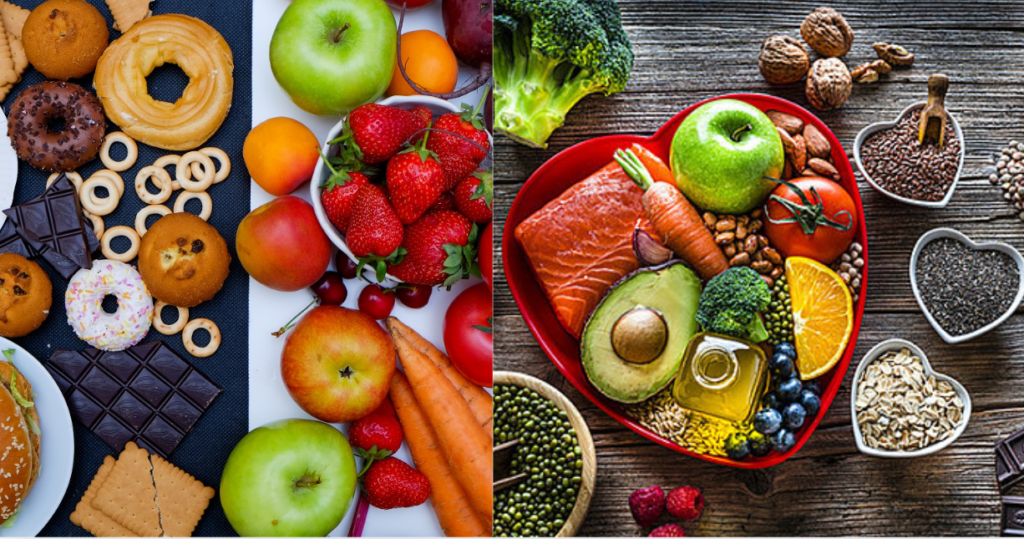
- Leafy greens, berries, nuts, seeds, whole grains, and fatty fish
- Rich in antioxidants, fiber, and healthy fats
H3: Pair Nutrition With Lifestyle Habits
- Exercise regularly to maintain cardiovascular health
- Manage stress with meditation or yoga
- Prioritize adequate sleep for heart recovery
H3: Monitoring and Long-Term Considerations
- Keep track of blood pressure, cholesterol, and weight
- Schedule regular check-ups with your healthcare provider
- Educate yourself about emerging heart-healthy research
H3: Internal Linking Opportunities
- “10 Anti-Inflammatory Foods to Support Your Heart”
- “The Role of Exercise in Cardiovascular Health”
- “Managing Blood Pressure Through Lifestyle Choices”
- “Understanding Cholesterol: LDL vs HDL”
- “Smart Swaps for a Heart-Friendly Diet”
Featured Snippet: What Foods Are Most Harmful to Heart Health?
The most harmful foods for heart health include fried and processed foods, sugary drinks, excessive red and processed meats, refined grains, high-sodium foods, and hidden trans fats. Limiting these foods, while emphasizing whole, nutrient-rich foods, supports cardiovascular health and reduces the risk of heart disease.
Conclusion
Protecting your heart starts on your plate. By understanding which foods threaten your cardiovascular health and implementing practical swaps, you can dramatically reduce your risk of heart disease and enjoy sustained well-being.
Small, consistent changes—like replacing soda with water, choosing lean proteins, and cooking at home—add up over time. Combine these with exercise, stress management, and regular health screenings, and you’re well on your way to a resilient, healthy heart. Take control today; your heart deserves the best care you can give.
Important Disclaimer: This article is for informational purposes only and should not replace professional advice. For health-related topics, consult healthcare providers. Individual results may vary, and personal circumstances should always be considered when implementing any suggestions.