Cance
Meta Description: Explore the root causes of cancer and learn strategies for identification, prevention, and lifestyle adjustments to reduce your risk and improve health.
Introduction
Cancer is one of the most feared health challenges worldwide, affecting millions each year. Yet, understanding its root causes can empower you to take proactive steps for prevention and early detection. While genetics play a role, cancer is rarely caused by a single factor. Instead, it arises from a complex interplay of lifestyle, environmental exposures, infections, and cellular changes.
In this comprehensive guide, you’ll discover the primary factors that contribute to cancer development, learn how to identify early warning signs, and explore practical strategies to reduce your risk. By the end, you’ll feel informed, empowered, and equipped to make actionable changes that support your long-term health and well-being.
Section 1: Foundation – Understanding Cancer Development
Before tackling prevention, it’s essential to grasp how cancer develops in the body.
H3: What Is Cancer?
Cancer occurs when cells grow uncontrollably and evade the body’s natural regulatory systems. Unlike normal cells, these abnormal cells can:
- Multiply rapidly
- Invade nearby tissues
- Spread to other parts of the body (metastasis)
This uncontrolled growth often results from DNA mutations triggered by internal and external factors.
H3: Genetic Predisposition
Some individuals inherit genetic mutations that increase their susceptibility to certain cancers, such as:
- BRCA1 and BRCA2 mutations (breast and ovarian cancer)
- Lynch syndrome (colorectal cancer)
Understanding your family history is a key step in identifying risk and implementing early monitoring.
H3: The Multi-Factorial Nature of Cancer
Cancer is rarely caused by one single factor. Instead, it arises from:
- Lifestyle choices
- Environmental exposures
- Chronic inflammation
- Infections and viruses
- Hormonal imbalances
Recognizing this complexity helps you target multiple areas for prevention.
Section 2: Core Risk Factors – Lifestyle and Environmental Triggers
While genetics set the stage, environmental and lifestyle factors often determine whether cancer develops.
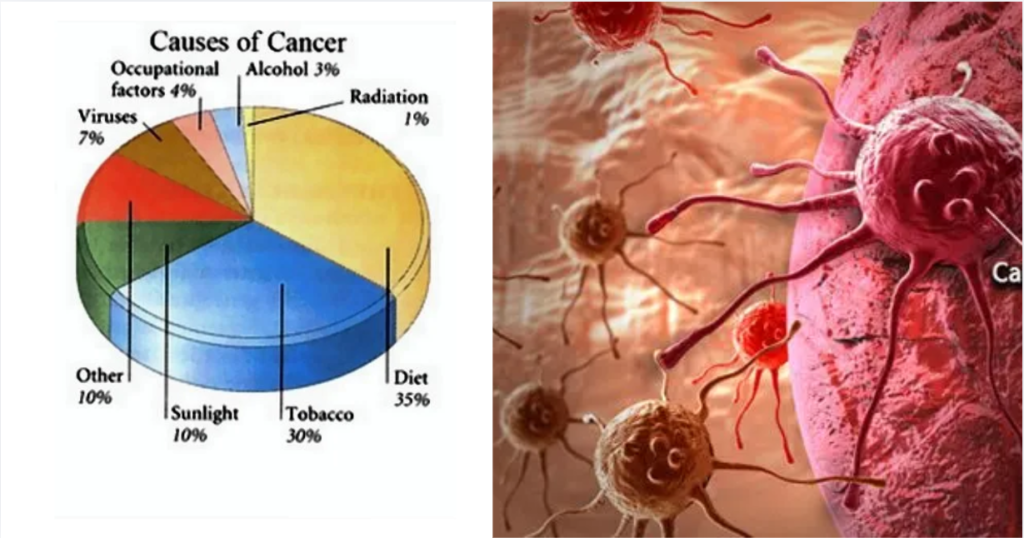
H3: Diet and Nutrition
Eating patterns significantly influence cancer risk:
- High intake of processed meats is linked to colorectal cancer
- Excessive sugar and refined carbs may promote inflammation
- Low consumption of fruits and vegetables can reduce protective antioxidants
Practical tip: Emphasize colorful, whole foods rich in vitamins and phytochemicals.
H3: Tobacco and Alcohol Use
- Smoking is the leading preventable cause of lung cancer and is linked to multiple cancers
- Excessive alcohol intake increases the risk of liver, breast, and digestive cancers
Small changes, such as quitting smoking and moderating alcohol, can dramatically lower risk.
H3: Environmental Exposures
Long-term exposure to harmful substances increases cancer susceptibility:
- Air pollution and industrial chemicals
- UV radiation from the sun or tanning beds
- Asbestos and other carcinogenic materials
Precautionary measures include wearing sunscreen, using protective gear, and limiting contact with toxins.
H3: Sedentary Lifestyle
Physical inactivity contributes to obesity and metabolic dysfunction, both of which are associated with higher cancer risk. Regular movement improves immunity, supports hormonal balance, and promotes healthy digestion.
Section 3: Advanced Insights –Cancer
Some cancer triggers are less obvious but equally important.
H3: Chronic Inflammation
Persistent inflammation can damage DNA and promote cancerous growth. Common sources include:
- Autoimmune diseases
- Chronic infections
- Obesity-related inflammation
Anti-inflammatory strategies include a diet rich in omega-3 fatty acids, regular exercise, and stress management.
H3: Infections and Viruses
Certain infections can initiate cancer development:
- Human papillomavirus (HPV) → cervical cancer
- Hepatitis B and C → liver cancer
- Helicobacter pylori → stomach cancer
Vaccination, safe practices, and early detection are crucial preventive measures.
H3: Hormonal Imbalances
Hormones influence cell growth and differentiation. Imbalances in estrogen, testosterone, or insulin can increase cancer risk, particularly for breast, prostate, and endometrial cancers. Lifestyle adjustments and medical monitoring help maintain hormonal balance.
Section 4: Troubleshooting – Overcoming Challenges in Prevention
Prevention can feel overwhelming, but targeted strategies make it achievable.
H4: “I Don’t Know My Genetic Risk”
- Consult a genetic counselor for testing if you have a strong family history
- Implement lifestyle modifications regardless of genetic risk
H4: “I’m Struggling to Maintain Healthy Habits”
- Start small: add one fruit or vegetable per meal
- Include 20–30 minutes of physical activity daily
- Replace sugary drinks with water or herbal tea
H4: “Environmental Exposures Are Unavoidable”
- Focus on reducing known risks in your control
- Improve indoor air quality and minimize chemical exposure
- Use personal protective equipment when necessary
Section 5: Maximizing Results – Long-Term Prevention and Monitoring
Sustained preventive strategies are key to reducing cancer risk and supporting overall health.
H3: Regular Screening
Early detection is lifesaving. Recommended screenings vary by age and risk factors:
- Mammograms (breast cancer)
- Colonoscopies (colon cancer)
- Pap smears and HPV testing (cervical cancer)
H3: Holistic Lifestyle Optimization
Combine multiple approaches for maximal impact:
- Balanced, anti-inflammatory diet
- Consistent physical activity
- Stress management techniques
- Adequate sleep
H3: Complementary Strategies
- Mind-body practices like meditation and yoga
- Limiting exposure to carcinogenic chemicals at home and work
- Vaccinations for HPV and hepatitis B
H3: Internal Linking Opportunities
- “Nutrition Strategies to Reduce Cancer Risk”
- “Understanding Chronic Inflammation and Your Health”
- “Hormonal Health and Disease Prevention”
- “The Role of Exercise in Cancer Prevention”
- “Early Detection: Screening Guidelines You Should Know”
Featured Snippet: What Are the Main Root Causes of Cancer?
The main root causes of cancer include genetic mutations, chronic inflammation, lifestyle factors such as diet and tobacco use, environmental exposures to toxins, hormonal imbalances, and certain infections. Effective prevention combines lifestyle optimization, screening, and targeted medical interventions.
Conclusion
Understanding the root causes of cancer empowers you to take meaningful steps toward prevention and early identification. By focusing on diet, physical activity, stress reduction, environmental awareness, and regular screening, you can significantly reduce your risk and improve your overall well-being.
Remember, prevention is a journey. Every positive change—whether quitting smoking, eating more vegetables, or managing stress—adds up over time. Stay informed, proactive, and consistent. You have the power to transform your health and protect yourself against cancer.
Important Disclaimer: This article is for informational purposes only and should not replace professional advice. For health-related topics, consult healthcare providers. Individual results may vary, and personal circumstances should always be considered when implementing any suggestions.