Meta Description: Learn about ovarian endometrioma (chocolate cyst), its causes, symptoms, diagnosis, and treatment options. Understand how this gynecological condition affects fertility and health.
Ovarian endometrioma, often called a “chocolate cyst,” is a type of ovarian cyst formed when endometrial tissue grows within the ovaries. This condition is closely linked to endometriosis and can affect women during their reproductive years, sometimes causing pain, hormonal imbalance, and fertility challenges.
Understanding ovarian endometrioma (chocolate cyst) is important for early recognition, proper diagnosis, and effective management. While the condition can be concerning, many women manage it successfully with medical care and lifestyle support.
In this article, you’ll explore what causes ovarian endometriomas, how they develop, their symptoms, and available treatment options.
What Is an Ovarian Endometrioma?
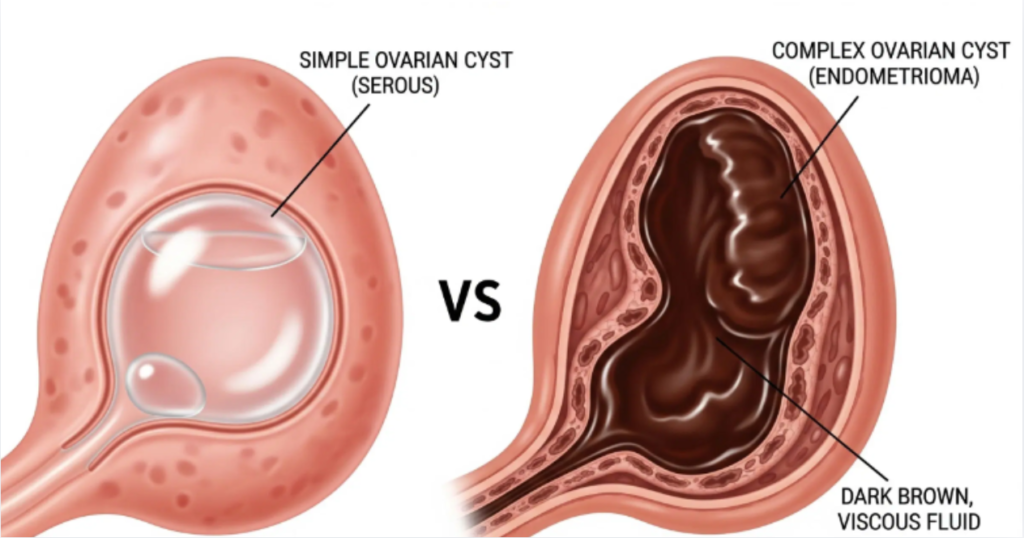
An ovarian endometrioma is a cyst formed when tissue similar to the uterine lining (endometrium) grows inside the ovary.
Why it is called a “chocolate cyst”
- The cyst contains old, dark blood
- The appearance resembles melted chocolate
- It results from repeated bleeding within the cyst
Link to endometriosis
Ovarian endometriomas are a manifestation of endometriosis, a condition where endometrial-like tissue grows outside the uterus.
Featured Snippet: What is an ovarian endometrioma?
An ovarian endometrioma is a cyst filled with old blood that forms when endometrial tissue grows inside the ovary, commonly associated with endometriosis and often causing pelvic pain and fertility issues.
Causes of Ovarian Endometrioma
The exact cause is not fully understood, but several theories explain its development.
1. Retrograde menstruation
- Menstrual blood flows backward into the pelvic cavity
- Endometrial cells attach to ovaries and grow
2. Hormonal influence
- Estrogen stimulates growth of endometrial tissue
- Hormonal imbalance may worsen cyst formation
3. Immune system dysfunction
- The body may fail to eliminate misplaced endometrial cells
- Allows abnormal tissue growth to continue
Symptoms of Ovarian Endometrioma
Some women may not experience symptoms, while others have significant discomfort.
Common symptoms
- Chronic pelvic pain
- Painful menstruation (dysmenorrhea)
- Pain during intercourse
- Bloating or abdominal pressure
- Irregular menstrual cycles
Fertility-related symptoms
- Difficulty conceiving
- Reduced ovarian function in some cases
How Ovarian Endometriomas Affect the Body
1. Chronic inflammation
Endometriomas can trigger ongoing inflammation in the pelvic region.
2. Ovarian tissue damage
Large cysts may affect healthy ovarian tissue and reduce function.
3. Adhesion formation
Scar tissue may form, causing organs to stick together.
4. Impact on fertility
- Reduced egg quality
- Blocked ovulation in some cases
- Altered pelvic environment
Featured Snippet: Can ovarian endometrioma affect fertility?
Yes, ovarian endometrioma can affect fertility by damaging ovarian tissue, causing inflammation, and disrupting normal ovulation, which may make conception more difficult in some women.
Diagnosis of Ovarian Endometrioma
Doctors use several methods to identify chocolate cysts.
1. Pelvic ultrasound
- First-line imaging tool
- Detects cyst structure and size
2. MRI scan
- Provides detailed view of ovarian tissue
- Helps confirm diagnosis
3. Laparoscopy
- Minimally invasive surgical procedure
- Allows direct visualization and biopsy
Treatment Options for Ovarian Endometrioma
Treatment depends on symptoms, cyst size, and fertility goals.
1. Medical management
Hormonal therapy
- Birth control pills
- Progestins
- GnRH agonists
Helps reduce estrogen stimulation and slow cyst growth.
2. Pain management
- Anti-inflammatory medications
- Pain relievers
3. Surgical treatment
Laparoscopic cyst removal
- Removes cyst while preserving ovary when possible
- Recommended for large or painful cysts
4. Fertility support
- Assisted reproductive technologies (if needed)
- Fertility monitoring and planning
Step-by-Step: How Management Is Usually Planned
Step 1: Symptom evaluation
- Pain severity
- Menstrual pattern
- Fertility concerns
Step 2: Imaging tests
- Ultrasound or MRI confirmation
Step 3: Treatment selection
Based on:
- Age
- Symptoms
- Fertility goals
Step 4: Follow-up monitoring
- Regular imaging
- Hormonal evaluation
Advanced Insights Into Chocolate Cyst Development
1. Estrogen dependency
Endometriomas are strongly influenced by estrogen levels.
2. Recurrence risk
Even after surgery, cysts may return in some cases.
3. Chronic disease nature
Endometriosis is a long-term condition requiring ongoing management.
Lifestyle Support for Endometrioma Management
While not a cure, lifestyle changes may support symptom control.
Helpful habits
- Anti-inflammatory diet
- Regular gentle exercise
- Stress management
- Adequate sleep
Foods often recommended
- Leafy greens
- Omega-3 rich foods
- Whole grains
- Fresh fruits
Internal Linking Opportunities
This topic connects well with:
- Hormonal balance and women’s health
- Endometriosis and pelvic pain disorders
- Ovarian health and reproductive function
- Inflammation and chronic disease
- Fertility support and reproductive planning
Conclusion
Understanding ovarian endometrioma (chocolate cyst) is essential for recognizing its symptoms, managing discomfort, and protecting reproductive health. While this condition can cause pain and fertility challenges, many effective medical and supportive treatment options are available.
Early diagnosis and personalized care are key to preventing complications and improving quality of life. With proper management, women with ovarian endometriomas can maintain hormonal balance, reduce symptoms, and make informed decisions about their reproductive health.
Awareness and timely medical consultation are the most powerful tools in managing this condition effectively.