Meta Description: Explore inhaled piperine-based intervention and its potential role in craving regulation, satiety activation, and sensory pathways linked to appetite control.
Craving control and appetite regulation are central challenges in modern nutrition and behavioral health. From sugar cravings to addictive eating patterns, many individuals struggle to maintain balance despite understanding healthy choices. This has led researchers to explore alternative sensory and neurological approaches—one of which is inhaled piperine-based intervention.
Piperine, the active compound in black pepper, is known for its strong sensory stimulation and potential effects on metabolic and neural pathways. Recently, interest has grown around how inhaling its aroma may influence craving regulation and satiety activation through sensory signaling.
In this article, you’ll explore how piperine interacts with the body, the proposed mechanisms behind its effects on appetite, and what current research suggests about its potential role in behavioral eating regulation.
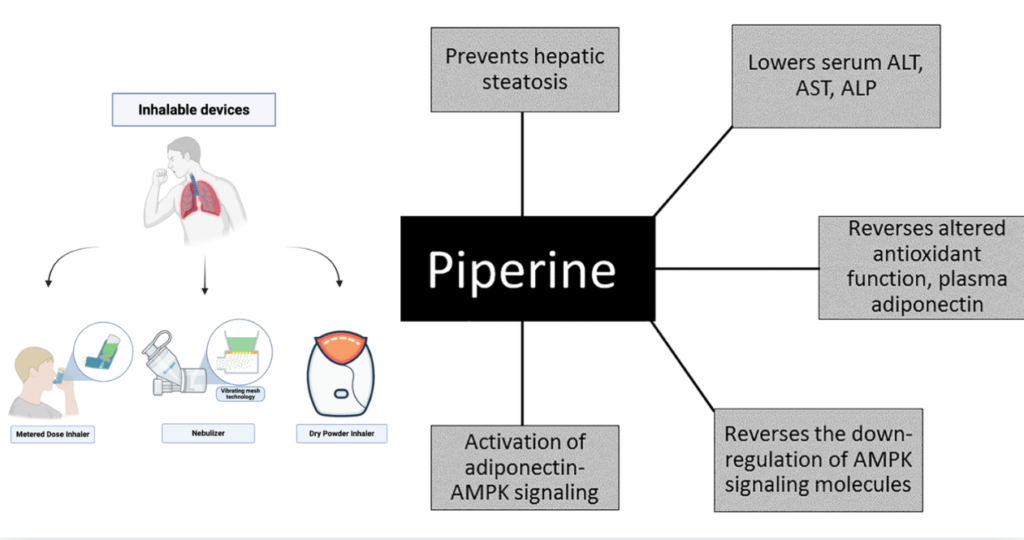
Understanding Piperine and Its Biological Role
Piperine is the bioactive alkaloid responsible for the pungency of black pepper.
Key properties of piperine
- Found in Piper nigrum (black pepper)
- Responsible for spicy, warming sensation
- Influences sensory nerve receptors
Why piperine is of interest in appetite research
Piperine stimulates sensory pathways linked to:
- Taste perception
- Digestive signaling
- Neurological response to food cues
Featured Snippet: Can inhaled piperine reduce cravings?
Inhaled piperine may influence craving regulation by stimulating sensory receptors and neural pathways associated with satiety perception, though research is still emerging and not conclusive.
How Inhaled Piperine May Influence Craving Regulation
The idea behind inhaled piperine-based intervention is not ingestion but olfactory stimulation.
1. Activation of sensory receptors
When inhaled, piperine aroma may stimulate:
- Olfactory receptors in the nose
- Trigeminal nerve pathways (responsible for sensation of heat and spice)
2. Brain response to sensory cues
These signals are transmitted to brain regions involved in:
- Reward processing
- Appetite regulation
- Satiety signaling
3. Potential reduction in food cue responsiveness
Strong sensory input may temporarily:
- Reduce perceived desire for food
- Interrupt craving cycles
- Shift attention away from eating triggers
Satiety Activation and the Gut-Brain Axis
Satiety is not only a physical process—it is also neurological.
How satiety is regulated
- Stomach stretch signals
- Hormonal release (ghrelin, leptin)
- Brain interpretation of fullness
Possible role of sensory stimulation
Inhaled piperine may influence:
- Early satiety signaling pathways
- Cognitive perception of fullness
- Reward-based eating behavior
Step-by-Step: Conceptual Framework of Inhaled Piperine Intervention
Step 1: Sensory exposure
- Inhalation of black pepper aroma
- Activation of nasal receptors
Step 2: Neural signaling
- Trigeminal stimulation
- Transmission to brain regions controlling appetite
Step 3: Cognitive modulation
- Reduced craving intensity
- Increased awareness of satiety cues
Step 4: Behavioral response
- Potential reduction in snacking behavior
- Improved control over impulsive eating
Advanced Insights into Appetite Regulation Pathways
1. Dopamine and reward circuits
Cravings are strongly linked to dopamine-driven reward systems.
- Highly palatable foods increase dopamine release
- Sensory modulation may influence this pathway
2. Olfactory influence on appetite
Smell plays a major role in:
- Food anticipation
- Hunger signaling
- Craving intensity
3. Sensory substitution strategies
Strong non-food scents may:
- Distract from food cues
- Alter perceived hunger levels
Scientific Perspective and Current Limitations
While the concept is intriguing, it is important to maintain scientific balance.
What is known
- Piperine affects sensory and metabolic pathways when ingested
- Olfactory stimulation can influence appetite perception
- Sensory cues play a role in eating behavior
What is still unclear
- Direct clinical evidence for inhaled piperine and appetite suppression is limited
- Long-term effects have not been established
- Individual responses may vary significantly
Common Misconceptions About Craving Control
“Cravings are only about willpower”
In reality, cravings are influenced by:
- Hormones
- Brain chemistry
- Environment
- Sensory cues
“One method works for everyone”
Appetite regulation is highly individual and multifactorial.
“Aroma alone can replace dietary control”
Sensory strategies may support behavior but do not replace balanced nutrition.
Internal Linking Opportunities
This topic connects well with:
- Appetite regulation and metabolic health
- Dopamine and reward system biology
- Gut-brain axis and digestion
- Craving control strategies in nutrition
- Sensory influences on eating behavior
Conclusion
The concept of inhaled piperine-based intervention highlights an emerging interest in how sensory stimulation may influence craving regulation and satiety perception. By activating olfactory and trigeminal pathways, piperine aroma may play a role in modulating appetite-related brain responses.
While research is still evolving, this approach reflects a broader understanding that eating behavior is not only physical but also neurological and sensory. Craving control likely requires a combination of nutritional balance, behavioral awareness, and environmental strategies.
As science continues to explore these mechanisms, sensory-based interventions like piperine inhalation may become part of a wider toolkit for supporting healthier eating patterns.