Meta Description: Discover how stimulating the vagus nerve can activate relaxation, reduce stress, and support nervous system balance using simple, science-based techniques.
Have you ever felt overwhelmed, tense, or “stuck in stress mode” even when nothing is wrong? That’s often your nervous system staying in fight-or-flight mode. One powerful way to restore calm is by stimulating the vagus nerve, a key communication pathway between your brain and body that helps activate relaxation.
In recent years, science has shown that vagus nerve stimulation is strongly linked to reduced anxiety, improved digestion, better heart rate regulation, and emotional balance. The good news? You don’t need complex devices to activate it—many simple, natural techniques can help.
In this article, you’ll discover what the vagus nerve does, why it matters, and evidence-based ways to stimulate it naturally to support calm, focus, and overall well-being.
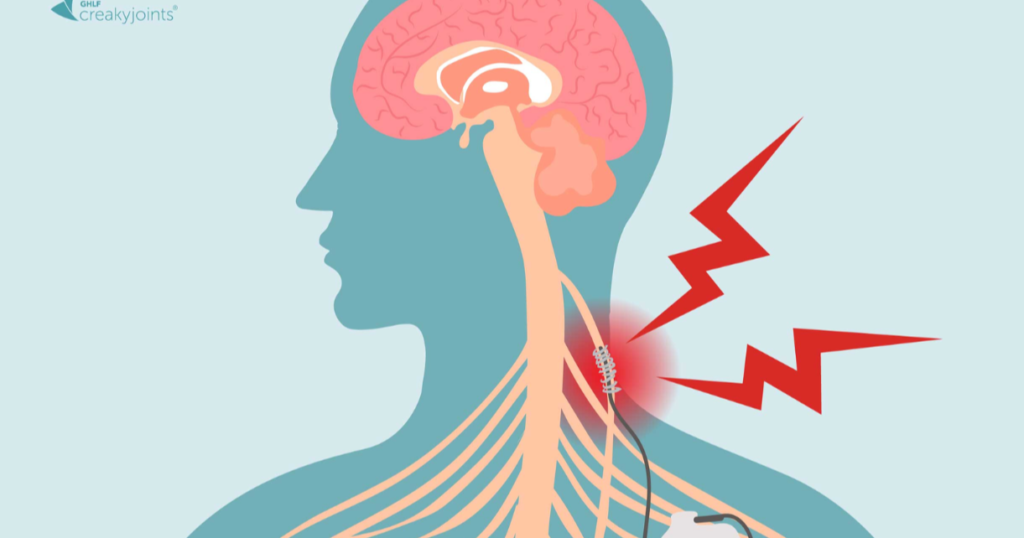
Understanding the Vagus Nerve and Its Role in Relaxation
The vagus nerve is one of the most important nerves in your body. It is part of the parasympathetic nervous system, often called the “rest and digest” system.
When the vagus nerve is active, your body shifts from stress to calm.
What the vagus nerve controls
The vagus nerve influences many vital functions:
- Heart rate
- Breathing rhythm
- Digestion
- Mood regulation
- Immune response
Why vagus nerve tone matters
“Vagal tone” refers to how well your vagus nerve is functioning. Higher vagal tone is linked to:
- Better stress resilience
- Lower anxiety levels
- Improved emotional control
- Faster recovery from stress
Featured Snippet: What does stimulating the vagus nerve do?
Stimulating the vagus nerve activates the parasympathetic nervous system, which slows heart rate, reduces stress hormones, improves digestion, and promotes a state of calm and relaxation.
Science-Backed Ways of Stimulating the Vagus Nerve
There are several natural methods supported by research that help activate the vagus nerve and bring your body into a relaxed state.
Deep breathing (diaphragmatic breathing)
Slow, controlled breathing is one of the most effective ways to stimulate the vagus nerve.
How it works:
- Increases oxygen intake
- Sends calming signals to the brain
- Reduces cortisol (stress hormone)
Simple technique:
- Inhale slowly for 4 seconds
- Hold for 2–3 seconds
- Exhale slowly for 6–8 seconds
- Repeat for 3–5 minutes
Cold exposure (face or body)
Cold exposure activates the vagus nerve by triggering a mild stress response followed by relaxation.
Examples include:
- Splashing cold water on your face
- Cold showers (short duration)
- Applying a cold compress
This helps reset the nervous system and improve resilience.
Humming, singing, and chanting
Sound vibrations directly stimulate vagal pathways in the throat and ears.
Benefits include:
- Slower heart rate
- Reduced anxiety
- Improved mood
Even humming for a few minutes can create a noticeable calming effect.
Lifestyle Practices That Support Vagus Nerve Function
Beyond quick techniques, daily habits can improve vagus nerve health over time.
Gut health and digestion support
The vagus nerve is deeply connected to the gut-brain axis. A healthy digestive system strengthens vagal communication.
Helpful habits:
- Eating fiber-rich foods
- Including fermented foods
- Avoiding processed sugar overload
Social connection and emotional safety
Positive interactions stimulate the vagus nerve.
Examples:
- Talking with supportive people
- Laughing
- Eye contact and empathy
Human connection signals safety to your nervous system.
Gentle movement and yoga
Slow, mindful movement activates parasympathetic activity.
Recommended activities:
- Yoga
- Stretching
- Walking in nature
These reduce stress while improving circulation and nervous system balance.
Advanced Techniques for Vagus Nerve Stimulation
If you want to deepen results, more structured approaches can enhance vagal tone.
Cold + breathing combination
Combining deep breathing with brief cold exposure can strengthen the nervous system response.
Example routine:
- 2 minutes of slow breathing
- Cold face splash or shower finish
- Return to slow breathing
Meditation and mindfulness practice
Meditation improves vagal tone by reducing mental stress load.
Even 10 minutes daily can help:
- Lower heart rate
- Improve emotional regulation
- Reduce overthinking
Acupressure and gentle neck stimulation
Light massage around the neck and ear areas may support vagus nerve activation.
Focus areas include:
- Side of the neck
- Behind the ears
- Base of the skull
Common Challenges When Stimulating the Vagus Nerve
While these techniques are simple, results can vary depending on stress levels and consistency.
“I don’t feel immediate results”
That’s normal. The vagus nerve responds gradually. Consistency matters more than intensity.
Try:
- Practicing daily for at least 5–10 minutes
- Combining multiple techniques
Feeling uncomfortable during breathing exercises
If deep breathing feels strange at first, your body may not be used to it.
Solution:
- Start with shorter sessions
- Avoid forcing deep inhalation
- Focus on slow, gentle rhythm
Stress overload from lifestyle habits
High caffeine intake, poor sleep, and chronic stress can reduce vagal tone.
Preventive steps:
- Improve sleep routine
- Reduce stimulants
- Add relaxation breaks during the day
Maximizing Long-Term Nervous System Balance
To fully benefit from stimulating the vagus nerve, consistency is key.
Build a daily relaxation routine
A simple structure:
- Morning: 3 minutes deep breathing
- Midday: short walk or stretching
- Evening: calming breathing or meditation
Combine multiple techniques
The nervous system responds best to variety:
- Breathing + cold exposure
- Movement + social interaction
- Meditation + sound (humming or chanting)
Track your stress response
Notice changes in:
- Sleep quality
- Emotional stability
- Digestion
- Energy levels
Over time, small improvements add up significantly.
Internal Linking Opportunities
This topic connects well with other wellness areas such as:
- Stress reduction and cortisol balance strategies
- Gut-brain connection and digestive health
- Meditation and mindfulness techniques
- Natural anxiety relief methods
- Sleep improvement and nervous system reset habits
Conclusion
Stimulating the vagus nerve is one of the most powerful natural ways to shift your body from stress into calm. Through simple techniques like deep breathing, cold exposure, gentle movement, and mindful practices, you can support your nervous system and improve overall well-being.
The key is consistency, not complexity. Even a few minutes a day can help strengthen your vagal tone and build long-term resilience.
Start small, stay consistent, and allow your body to rediscover its natural ability to relax, recover, and restore balance.