Meta Description: New research in early cancer detection from Johns Hopkins explores blood-based tests that may identify cancer signals years before symptoms appear, improving screening potential.
The idea of detecting cancer years before it appears sounds almost unbelievable, yet modern medical research is moving closer to this reality. Scientists, including teams from institutions like Johns Hopkins, are developing advanced blood-based tests that may identify tiny biological changes long before symptoms begin. These breakthroughs are part of a growing field called early cancer detection and liquid biopsy technology.
Instead of waiting for tumors to grow large enough to be seen on scans, researchers are now studying microscopic signals in the blood that could reveal cancer at its earliest stages. While this technology is still evolving, it offers real hope for improving survival rates through earlier intervention.
In this article, you’ll discover how this breakthrough works, what the science says so far, and what it could mean for future cancer screening.
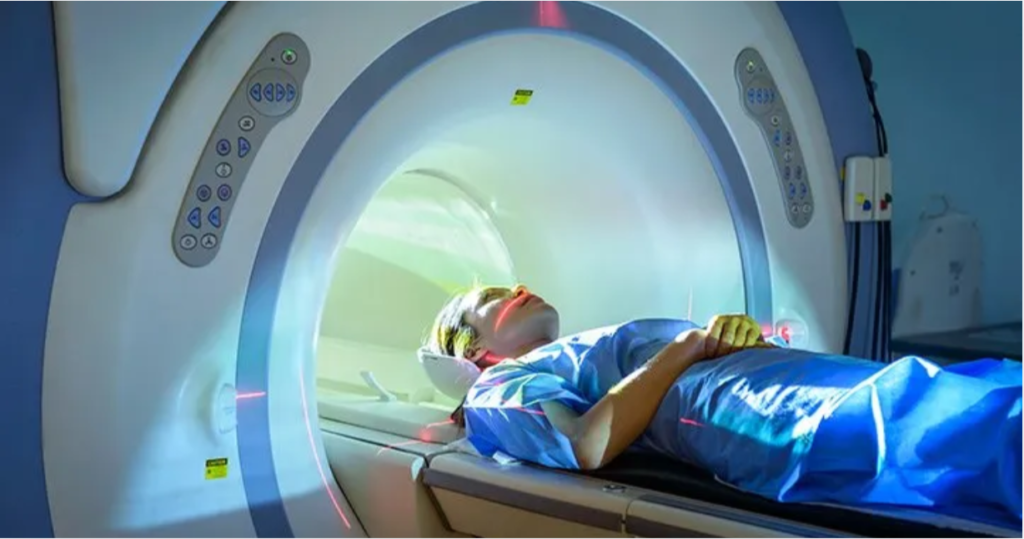
Understanding the Concept of Early Cancer Detection
Early cancer detection focuses on identifying cancer before it becomes clinically visible or symptomatic. The earlier cancer is found, the more treatment options are available—and the higher the chances of success.
Traditionally, screening methods include:
- Mammograms (breast cancer)
- Colonoscopies (colorectal cancer)
- Pap smears (cervical cancer)
However, these tests usually detect cancer only after it has developed enough to form structural changes.
Why early detection matters
Catching cancer early can:
- Improve survival rates significantly
- Reduce the need for aggressive treatments
- Increase treatment success rates
- Lower healthcare complications
The shift toward molecular detection
Modern science is moving beyond imaging and into molecular-level detection, where changes in DNA can signal disease long before physical symptoms appear.
Featured Snippet: Can cancer really be detected before symptoms appear?
Yes, emerging research in liquid biopsy and multi-cancer early detection tests suggests that cancer-related DNA fragments can sometimes be detected in the blood before symptoms appear, though these methods are still under study and not yet universal screening tools.
How Blood-Based Cancer Detection Works
The breakthrough behind detecting cancer years before it appears lies in analyzing blood for tiny fragments of genetic material released by tumors.
This method is commonly known as a liquid biopsy.
What is circulating tumor DNA (ctDNA)?
Cancer cells can release small fragments of DNA into the bloodstream called circulating tumor DNA (ctDNA).
These fragments may carry:
- Genetic mutations
- Abnormal DNA patterns
- Signs of tumor activity
Even when a tumor is too small to detect through imaging, ctDNA may already be present.
Multi-cancer early detection (MCED) tests
Researchers are developing MCED blood tests that aim to screen for multiple types of cancer at once.
These tests analyze:
- DNA methylation patterns
- Genetic mutations
- Fragmentation signatures of DNA
The goal is to identify cancer signals across the body using a single blood sample.
Johns Hopkins Research and the Push for Early Detection
Institutions like the Johns Hopkins Kimmel Cancer Center have played a major role in advancing liquid biopsy science and early cancer detection research.
Their work focuses on understanding how cancer-related DNA behaves in the bloodstream.
Key areas of research focus
Johns Hopkins scientists are studying:
- How early ctDNA appears before diagnosis
- How DNA fragmentation patterns differ in cancer patients
- Ways to improve accuracy of blood-based detection tests
What early studies suggest
Some research findings indicate that:
- Cancer signals may be detectable months to years before diagnosis in certain cases
- Blood-based tests can identify multiple cancer types simultaneously
- Sensitivity improves when combined with advanced AI analysis
However, these findings are still being validated in large clinical trials.
Benefits and Limitations of Early Detection Technology
While the idea is promising, it is important to understand both the potential and the current limitations.
Potential benefits
If fully developed and approved, these tests could:
- Detect cancer earlier than imaging methods
- Reduce late-stage cancer diagnoses
- Improve treatment success rates
- Offer a simple blood test for multiple cancers
Current limitations
Despite progress, challenges remain:
- Not all cancers release detectable DNA early
- False positives can occur
- Cost and accessibility are still evolving
- Not yet approved as universal screening tools
Why accuracy is still improving
Cancer is biologically complex. Some tumors release DNA early, while others do not. This variability makes early detection research challenging but promising.
What This Means for the Future of Cancer Screening
The future of cancer detection may look very different from today.
Instead of separate tests for each cancer type, we may see:
- Routine blood tests for multiple cancers
- Annual screening panels
- AI-powered analysis of genetic data
- Personalized risk monitoring
A shift toward preventive medicine
Rather than treating cancer after it appears, the goal is to:
- Identify risk earlier
- Monitor changes over time
- Intervene before disease progression
This represents a major shift from reactive to proactive healthcare.
Integration with existing screening methods
Even with new technologies, traditional screening will still matter:
- Imaging tests
- Physical exams
- Family history assessments
Future systems will likely combine both molecular and traditional approaches.
What You Can Do Today for Early Detection Awareness
While advanced tests are still developing, you can take steps to support early detection and overall health.
Follow recommended screening guidelines
Depending on age and risk factors, regular screening may include:
- Mammograms
- Colon cancer screening
- Skin checks
- Routine blood work
Know your family history
Genetic risk plays an important role in cancer development.
Ask about:
- Family cancer history
- Genetic conditions
- Age of diagnosis in relatives
Maintain a healthy lifestyle
While not a guarantee, healthy habits may reduce cancer risk:
- Balanced diet rich in plants
- Regular physical activity
- Avoiding tobacco
- Limiting alcohol
Internal Linking Opportunities
This topic connects with several related health areas:
- Early cancer screening methods and prevention
- Understanding blood-based diagnostic tests
- Immune system and cancer defense mechanisms
- Healthy lifestyle habits for disease prevention
- Advances in medical biotechnology and genetics
Conclusion
The concept of detecting cancer years before it appears represents one of the most exciting developments in modern medicine. Research from institutions like Johns Hopkins is helping scientists understand how tiny genetic signals in the blood could one day transform early diagnosis.
While these technologies are still developing, they offer real hope for a future where cancer is found earlier, treated sooner, and managed more effectively.
For now, staying informed, following recommended screenings, and maintaining a healthy lifestyle remain your strongest tools. As science continues to advance, early detection may become simpler, faster, and more powerful than ever before.
Important Disclaimer
This article is for informational purposes only and should not replace professional medical advice. For health-related topics, consult healthcare providers. For financial or legal matters, seek qualified professional guidance. For safety procedures, verify current best practices and local regulations. Individual results may vary, and personal circumstances should always be considered when implementing any suggestions.