Meta Description: Learn how to manage LDL cholesterol through nutrition, exercise, and healthy lifestyle habits to support cardiovascular health and reduce long-term risk.
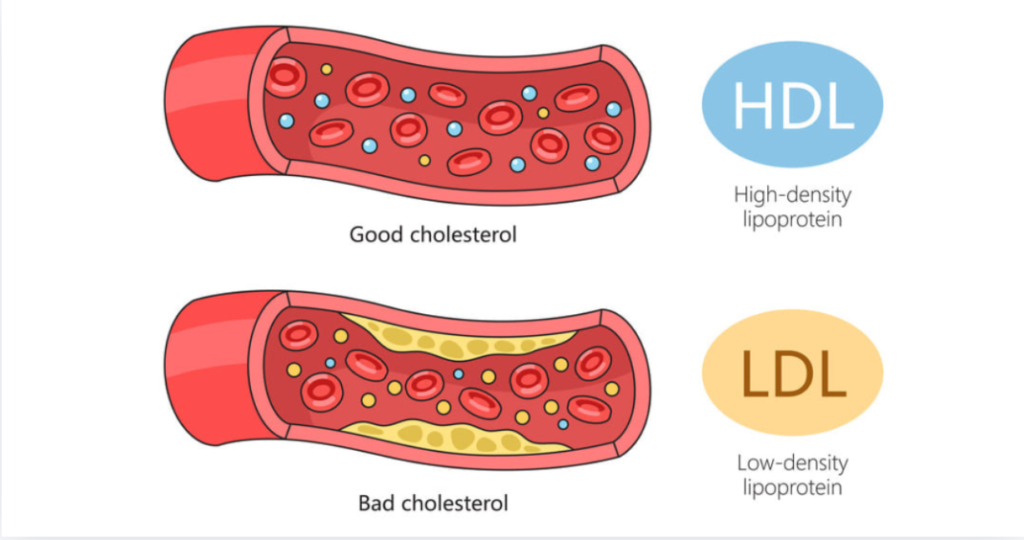
Low-density lipoprotein (LDL), often called “bad cholesterol,” plays a major role in cardiovascular health. While cholesterol is essential for hormone production and cell structure, elevated LDL levels can contribute to plaque buildup inside arteries.
Managing LDL cholesterol through diet, physical activity, and preventive care is an important strategy for protecting long-term heart and vascular health.
Featured Snippet: How can LDL cholesterol be lowered naturally?
LDL cholesterol may be lowered naturally through a heart-healthy diet, regular exercise, weight management, reduced saturated fat intake, and increased fiber consumption.
What Is LDL Cholesterol?
LDL transports cholesterol from the liver to body tissues.
When LDL levels become excessive, cholesterol can accumulate in artery walls, increasing the risk of:
- Atherosclerosis
- Heart attack
- Stroke
Why High LDL Matters
Excess LDL contributes to plaque formation inside blood vessels.
Over time, this can reduce blood flow and strain the cardiovascular system.
Related condition
Atherosclerosis
Common Causes of Elevated LDL
Lifestyle-related factors
- High saturated fat intake
- Physical inactivity
- Smoking
- Excess body weight
Other contributors
- Genetics
- Diabetes
- Thyroid disorders
- Aging
Diet Strategies to Lower LDL
1. Increase Soluble Fiber
Soluble fiber helps reduce cholesterol absorption in the intestines.
Good sources
- Oats
- Beans
- Lentils
- Apples
- Barley
Featured Snippet: What foods help lower LDL cholesterol?
Foods that may help lower LDL include oats, beans, nuts, fruits, vegetables, and foods rich in healthy unsaturated fats.
2. Choose Healthy Fats
Replacing saturated fats with unsaturated fats may improve cholesterol balance.
Better fat sources
- Olive oil
- Avocados
- Nuts and seeds
- Fatty fish
3. Reduce Saturated and Trans Fats
These fats may raise LDL levels.
Common sources
- Fried foods
- Processed snacks
- Fatty processed meats
- High-fat dairy products
4. Increase Plant-Based Foods
Plant-rich diets provide fiber, antioxidants, and beneficial phytochemicals.
Helpful foods
- Vegetables
- Fruits
- Legumes
- Whole grains
Physical Activity and LDL Reduction
Exercise supports healthy lipid metabolism.
Benefits of regular activity
- Helps raise HDL (“good cholesterol”)
- Supports weight management
- Improves cardiovascular function
Recommended activities
- Walking
- Cycling
- Swimming
- Strength training
Featured Snippet: Can exercise lower LDL cholesterol?
Yes, regular physical activity can help lower LDL cholesterol and improve overall cardiovascular health.
Weight Management and Metabolic Health
Maintaining a healthy weight can positively influence cholesterol levels.
Benefits include
- Reduced LDL levels
- Improved insulin sensitivity
- Better blood pressure control
Smoking and Alcohol Considerations
Smoking
Smoking damages blood vessels and worsens cardiovascular risk.
Alcohol
Excess alcohol may negatively affect lipid balance and liver function.
Stress and Sleep
Chronic stress and poor sleep may indirectly influence cardiovascular health and metabolic regulation.
Monitoring Cholesterol Levels
Healthcare providers typically assess:
- LDL cholesterol
- HDL cholesterol
- Triglycerides
- Total cholesterol
Testing method
A lipid panel blood test is commonly used.
Featured Snippet: How often should cholesterol be checked?
Cholesterol testing frequency depends on age and risk factors, but many adults benefit from regular lipid screening as advised by healthcare providers.
When Medication May Be Needed
Lifestyle changes are foundational, but some individuals may require medical treatment.
Possible reasons
- Very high LDL levels
- Existing cardiovascular disease
- Strong family history
- Diabetes or multiple risk factors
Internal Linking Opportunities
This topic connects well with:
- Cardiovascular disease prevention
- Blood pressure and circulation
- Diabetes and metabolic syndrome
- Anti-inflammatory nutrition
- Exercise and heart health
Conclusion
Managing LDL cholesterol is an important part of long-term cardiovascular prevention. Through balanced nutrition, regular exercise, weight management, and healthy lifestyle habits, many people can improve cholesterol balance and support vascular health.
Early monitoring and preventive strategies play a major role in reducing future cardiovascular risk.
Important Disclaimer: This article is for educational purposes only and should not replace professional medical advice. Individuals with high cholesterol or cardiovascular risk factors should consult a qualified healthcare provider for personalized evaluation and treatment.