Meta Description: Learn the warning signs of low blood sugar (hypoglycemia), including lightheadedness, causes, and how to manage and prevent dangerous drops safely.
Feeling suddenly dizzy, shaky, or lightheaded can be more than just fatigue—it may be a sign of low blood sugar, also known as Hypoglycemia. This condition occurs when glucose levels in the blood drop below normal, affecting the brain and body’s ability to function properly.
Understanding low blood sugar warning signs is essential because symptoms can escalate quickly if ignored. The good news? With the right awareness and simple strategies, you can recognize early signals and take action before it becomes serious.
In this guide, you’ll learn what hypoglycemia is, why it happens, the key symptoms like lightheadedness, and how to manage it effectively.
What Is Low Blood Sugar (Hypoglycemia)?
Hypoglycemia occurs when blood glucose levels fall too low—typically below 70 mg/dL (3.9 mmol/L).
Why glucose is important
Glucose is the body’s primary energy source, especially for the brain. When levels drop:
- Brain function is affected
- Energy production decreases
- The nervous system becomes stressed
Who is at risk?
- People with diabetes (especially on insulin or certain medications)
- Individuals who skip meals
- Those with intense physical activity without proper nutrition
Featured Snippet: What is low blood sugar?
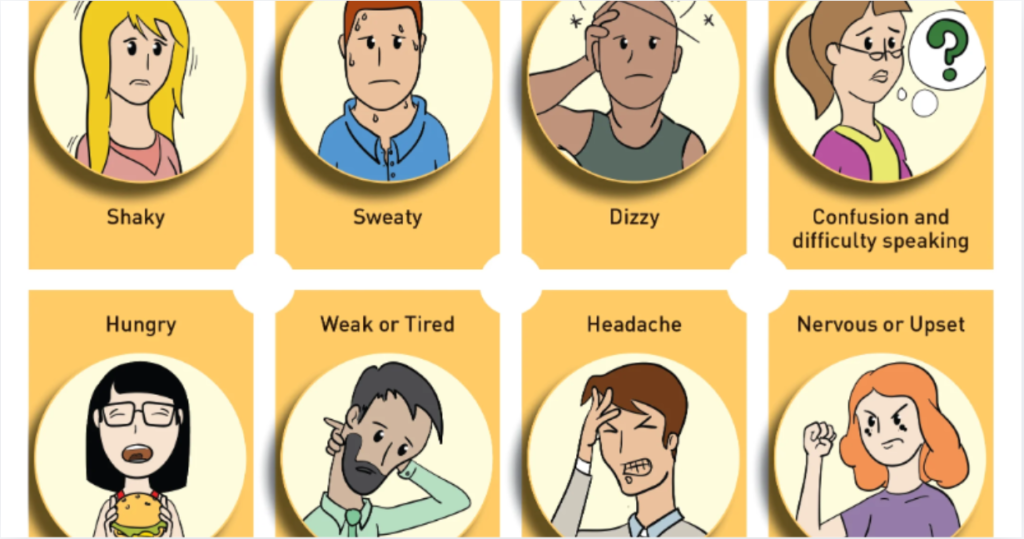
Low blood sugar, or hypoglycemia, is a condition where glucose levels fall below normal, leading to symptoms like dizziness, weakness, confusion, and sweating.
Early Warning Signs You Shouldn’t Ignore
Recognizing early symptoms can prevent complications.
1. Lightheadedness and dizziness
One of the most common early signs.
Why it happens:
- Reduced glucose supply to the brain
- Temporary drop in blood pressure
2. Shakiness and trembling
- Caused by adrenaline release
- Body’s attempt to raise blood sugar
3. Sweating
- Often sudden and unexplained
- Can occur even in cool environments
4. Hunger
- Intense or sudden craving for food
- Body signaling need for glucose
5. Rapid heartbeat
- Nervous system activation
- Stress response to low glucose
Featured Snippet: What are early symptoms of hypoglycemia?
Early symptoms of hypoglycemia include lightheadedness, shakiness, sweating, hunger, and a rapid heartbeat due to the body’s response to low glucose levels.
More Serious Symptoms of Low Blood Sugar
If untreated, symptoms can worsen.
1. Confusion or difficulty concentrating
- Brain lacks sufficient energy
- Impaired decision-making
2. Blurred vision
- Temporary visual disturbances
3. Weakness or fatigue
- Reduced muscle energy
4. Loss of coordination
- Increased risk of falls
5. Loss of consciousness (severe cases)
- Medical emergency
- Requires immediate care
What Causes Low Blood Sugar?
1. Skipping meals
- Long gaps between eating
- Low glucose intake
2. Diabetes medications
- Insulin or oral drugs lowering glucose too much
3. Excessive physical activity
- Increased glucose use without replenishment
4. Alcohol consumption
- Interferes with liver glucose release
5. Hormonal imbalances
- Rare conditions affecting glucose regulation
Featured Snippet: What causes hypoglycemia?
Hypoglycemia is caused by factors like missed meals, excessive insulin or diabetes medications, intense exercise, alcohol use, or hormonal imbalances affecting glucose regulation.
How Low Blood Sugar Affects the Body
Step 1: Drop in glucose levels
Energy supply to cells decreases.
Step 2: Hormonal response
- Adrenaline and glucagon are released
- Body tries to raise blood sugar
Step 3: Brain impact
- Cognitive function declines
- Symptoms like confusion and dizziness appear
Step 4: Severe dysfunction (if untreated)
- Loss of consciousness
- Risk of complications
What to Do If You Experience Symptoms
Immediate action (the 15–15 rule)
- Consume 15 grams of fast-acting carbohydrates
- Wait 15 minutes
- Recheck symptoms or glucose levels
Examples of quick sugar sources
- Glucose tablets
- Fruit juice
- Honey
- Sugary drinks (small amount)
When to seek help
- Symptoms don’t improve
- Repeated episodes occur
- Loss of consciousness or severe confusion
Preventing Low Blood Sugar
1. Eat regular meals
- Balanced meals with carbohydrates, protein, and fats
2. Monitor blood sugar (if diabetic)
- Regular testing
- Adjust medications as needed
3. Plan around physical activity
- Eat before exercise
- Carry quick snacks
4. Limit alcohol intake
- Avoid drinking on an empty stomach
5. Stay prepared
- Carry glucose sources
- Inform others if at risk
Featured Snippet: How do you prevent low blood sugar?
Low blood sugar can be prevented by eating regular meals, monitoring glucose levels, adjusting medications, planning for exercise, and carrying quick sugar sources.
Common Challenges and Misconceptions
Mistake 1: Ignoring mild symptoms
Early signs like lightheadedness should never be ignored.
Mistake 2: Overcorrecting with too much sugar
Can cause blood sugar spikes and crashes.
Mistake 3: Skipping meals after recovery
Leads to repeated episodes.
Internal Linking Opportunities
This topic connects well with:
- Diabetes management strategies
- Blood glucose regulation
- Nutrition and balanced meals
- Hormonal health and metabolism
- Emergency response and first aid
Conclusion
Low blood sugar (hypoglycemia) can start with subtle symptoms like lightheadedness but quickly progress if not addressed. Recognizing early warning signs—such as dizziness, shakiness, and sweating—can help you take action before the situation becomes serious.
By maintaining regular meals, monitoring your body, and being prepared with quick sources of glucose, you can manage and prevent episodes effectively.
Your body sends signals for a reason—listening to them can protect your health and keep you feeling stable and energized.
Important Disclaimer: This article is for informational purposes only and should not replace professional advice. For health-related topics, consult healthcare providers. Individual results may vary, and personal circumstances should always be considered when implementing any suggestions.