Meta Description: Learn the common causes of nasal and sinus discomfort, associated symptoms, and evidence-based strategies that may help relieve congestion, pressure, and irritation.
Nasal and sinus discomfort is a common complaint that can affect breathing, sleep quality, concentration, and overall well-being. Symptoms may range from mild congestion to facial pressure, headaches, and excessive mucus production.
While infections are a well-known cause, many cases are linked to allergies, environmental irritants, structural issues, or inflammation rather than infection alone.
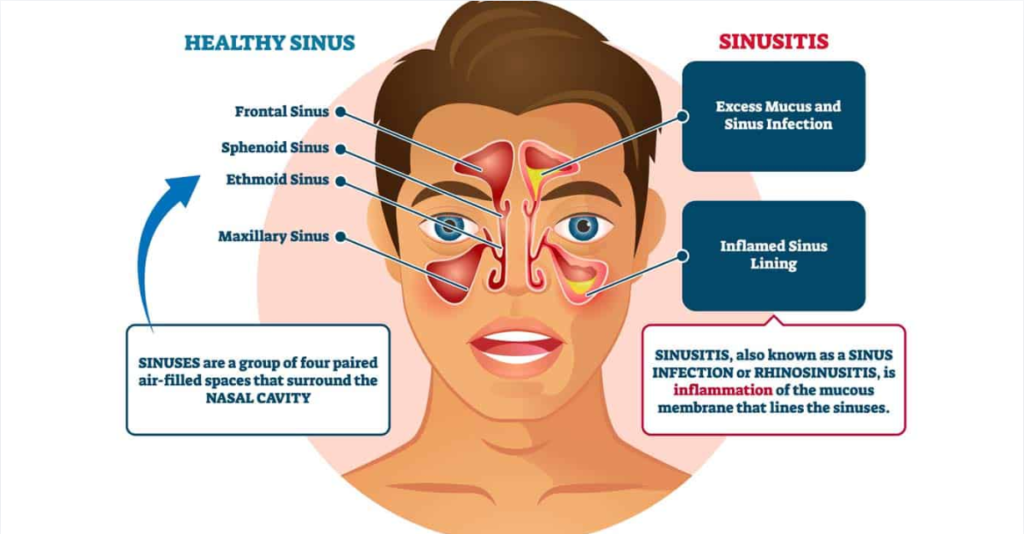
Featured Snippet: What causes nasal and sinus discomfort?
Nasal and sinus discomfort can result from allergies, viral infections, sinus inflammation, environmental irritants, structural abnormalities, or changes in humidity and air quality.
Understanding the Sinuses
The Paranasal sinuses are hollow spaces located around the nose and eyes.
Functions of the sinuses
- Help warm and humidify inhaled air
- Produce mucus that traps particles
- Contribute to voice resonance
- Reduce skull weight
When these spaces become inflamed or blocked, discomfort can develop.
Common Causes of Nasal and Sinus Discomfort
1. Viral Upper Respiratory Infections
The common cold is one of the most frequent causes.
Symptoms
- Nasal congestion
- Runny nose
- Sneezing
- Mild facial pressure
Related condition
Common cold
2. Allergies
Allergic reactions can trigger inflammation inside the nasal passages.
Common triggers
- Pollen
- Dust mites
- Pet dander
- Mold spores
Related condition
Allergic rhinitis
Symptoms
- Sneezing
- Itchy nose
- Watery eyes
- Congestion
3. Sinusitis
Sinus inflammation may occur after infections or due to chronic irritation.
Related condition
Sinusitis
Common symptoms
- Facial pain or pressure
- Thick nasal discharge
- Reduced sense of smell
- Headache
Featured Snippet: What are common symptoms of sinusitis?
Sinusitis often causes facial pressure, nasal congestion, thick mucus, headache, and a reduced sense of smell.
4. Environmental Irritants
Air quality can significantly affect nasal comfort.
Examples
- Cigarette smoke
- Air pollution
- Strong fragrances
- Chemical fumes
5. Dry Air and Low Humidity
Dry environments may irritate the nasal lining.
Potential symptoms
- Nasal dryness
- Crusting
- Mild nosebleeds
- Irritation
6. Structural Factors
Physical changes inside the nose may contribute to chronic symptoms.
Examples
- Deviated nasal septum
- Nasal polyps
Related condition
Nasal polyps
Common Symptoms Associated With Sinus Discomfort
Nasal symptoms
- Congestion
- Runny nose
- Postnasal drip
Facial symptoms
- Pressure around the eyes
- Forehead discomfort
- Cheek pain
General symptoms
- Fatigue
- Headache
- Sleep disturbance
Evidence-Based Ways to Find Relief
1. Stay Hydrated
Adequate fluid intake may help keep mucus thinner and easier to clear.
2. Saline Nasal Irrigation
Saline solutions can help remove mucus and irritants.
Benefits may include
- Improved nasal clearance
- Reduced congestion
- Better comfort
3. Humidified Air
Adding moisture to dry air may reduce irritation.
Helpful during
- Winter months
- Air-conditioned environments
- Dry climates
4. Manage Allergies
Reducing exposure to known triggers may improve symptoms.
Examples
- Frequent cleaning
- Air filtration
- Limiting exposure during high pollen periods
5. Adequate Rest
Rest supports recovery and overall immune function.
When to Seek Medical Evaluation
Consult a healthcare professional if you experience:
- Symptoms lasting longer than expected
- Severe facial pain
- High fever
- Recurrent sinus infections
- Vision changes
- Significant swelling around the eyes
Related condition
Chronic sinusitis
Common Myths About Sinus Symptoms
Myth: All sinus problems require antibiotics
Many sinus symptoms are caused by viral infections or allergies and do not benefit from antibiotics.
Myth: Green mucus always means bacterial infection
Mucus color alone cannot reliably determine the cause of illness.
Myth: Nasal congestion is always due to infection
Allergies, irritants, and structural issues may also cause congestion.
Internal Linking Opportunities
This topic connects well with:
- Persistent throat mucus and postnasal drip
- Allergies and respiratory health
- Hydration and mucus balance
- Sinusitis and chronic inflammation
- Immune system wellness
Conclusion
Nasal and sinus discomfort can arise from a variety of causes, including infections, allergies, environmental irritants, and structural factors. Understanding the underlying reason for symptoms is important because treatment approaches differ depending on the cause.
Simple measures such as hydration, saline nasal care, allergen management, and humidified air may help improve comfort, while persistent or severe symptoms should be evaluated by a healthcare professional.
Important Disclaimer: This article is for educational purposes only and should not replace professional medical advice. Persistent, severe, or recurrent nasal and sinus symptoms should be assessed by a qualified healthcare professional.