Meta Description: Explore how neck tension impacts your vagal system, discover strategies to relieve stress, improve circulation, and restore nervous system balance naturally.
Introduction
Do you often feel a tightness or stiffness in your neck that just won’t go away? Neck tension isn’t just a physical nuisance—it can affect your nervous system, stress levels, and overall well-being. Surprisingly, this tension is closely linked to the vagal system, a critical component of your body’s parasympathetic nervous system that regulates heart rate, digestion, and relaxation.
Understanding this connection can transform the way you approach stress relief, posture correction, and holistic wellness. By learning to release neck tension, you’re not just easing muscle discomfort—you’re supporting your vagal tone, which in turn enhances emotional resilience, digestion, and overall health. This article explores the intricate relationship between neck tension and the vagal system, and offers practical strategies to unlock tension, boost vagal function, and improve your daily life.
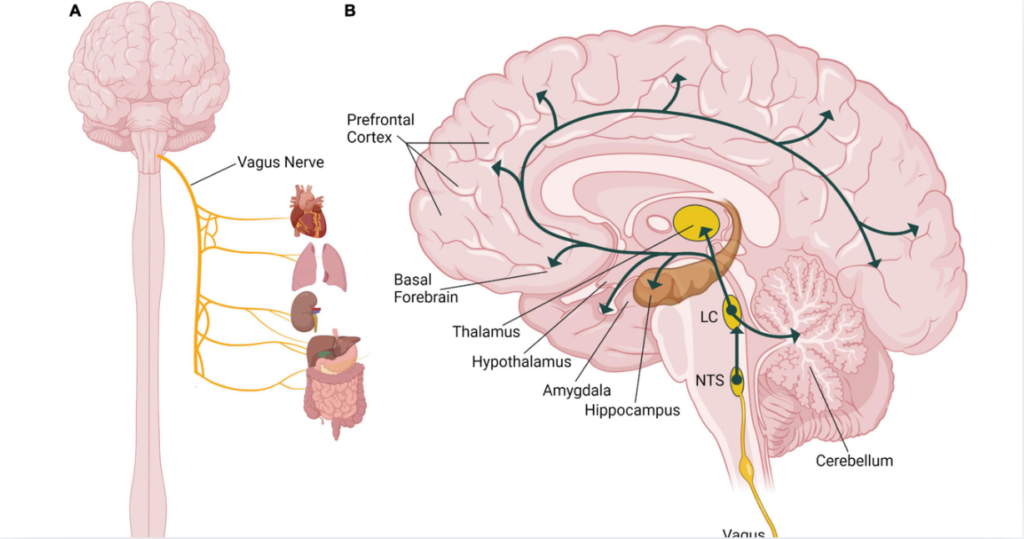
Section 1: Foundation – Understanding the Vagal System and Neck Tension
Before diving into remedies, it’s essential to understand the vagal system and how it interacts with neck muscles.
What Is the Vagal System?
The vagal system, primarily represented by the vagus nerve, is one of the longest nerves in your body. It runs from your brainstem down through your neck, chest, and abdomen, connecting vital organs and controlling many involuntary functions:
- Heart rate regulation
- Digestion and gut motility
- Respiratory rate
- Stress response and relaxation
This nerve plays a central role in activating your parasympathetic nervous system, often called the “rest and digest” system.
How Neck Tension Interferes with the Vagus Nerve
Chronic tension in the neck, especially around the upper cervical spine and trapezius muscles, can compress or irritate the vagus nerve. Consequences may include:
- Reduced parasympathetic activation
- Increased stress and anxiety
- Digestive disturbances
- Poor sleep and fatigue
Understanding this relationship is the first step toward effective relief.
Why It Matters for Everyday Life
Even mild neck stiffness can subtly disrupt your body’s balance. By targeting neck tension, you’re supporting better circulation, nerve function, and mental calmness—leading to a healthier, more resilient body.
Section 2: Step-by-Step Methods to Relieve Neck Tension
Relieving neck tension and stimulating the vagal system can be achieved with mindful exercises, posture correction, and daily habits.
Step 1: Postural Awareness
- Sit or stand tall, aligning your ears over your shoulders
- Avoid forward head posture, common with prolonged device use
- Take micro-breaks every hour to reset posture
Step 2: Gentle Neck Stretches
- Chin tucks: Slowly draw your chin toward your chest, holding for 5 seconds
- Side stretches: Tilt your ear toward your shoulder and hold for 10–15 seconds per side
- Neck rotations: Slowly rotate your head, avoiding any jerky movements
Step 3: Vagus Nerve Activation Techniques
- Deep diaphragmatic breathing: Inhale through your nose, expanding the belly, exhale slowly through the mouth
- Humming or chanting: Gentle humming stimulates the vagus nerve via the vocal cords
- Cold exposure: Splashing cold water on your face or neck can trigger vagal activation
Step 4: Incorporate Movement Breaks
- Shoulder rolls and upper-back stretches help release tension
- Yoga poses like Cat-Cow and Child’s Pose improve spinal mobility and vagal tone
- Gentle massage or foam rolling around the neck and upper back can enhance blood flow
Section 3: Advanced Strategies and Pro Tips
Once you’ve established a routine, you can explore deeper methods to enhance both neck health and vagal function.
Myofascial Release
- Using a massage ball or foam roller under the upper trapezius and cervical region
- Apply gentle pressure and hold until tension dissipates
- Promotes relaxation of surrounding tissue and nerve function
Mind-Body Integration
- Combine breathing exercises with meditation to reduce sympathetic dominance
- Visualization techniques can enhance parasympathetic activation
- Regular mindfulness practice reinforces neck tension release and stress reduction
Lifestyle Adjustments
- Maintain ergonomic workstations to prevent chronic neck strain
- Limit prolonged phone or computer use without breaks
- Ensure adequate hydration and nutrition for muscle health
Section 4: Common Challenges and Solutions
Even with good practices, obstacles may arise. Here’s how to tackle them:
Challenge 1: Persistent Stiffness
- Solution: Gradual stretching combined with heat therapy
- Encourage short, frequent sessions rather than long, forced stretches
Challenge 2: Difficulty Stimulating the Vagus Nerve
- Solution: Mix breathing techniques, humming, and light massage
- Experiment with different methods to discover what feels most effective
Challenge 3: Maintaining Consistency
- Solution: Set reminders and incorporate neck exercises into daily routines
- Track progress to stay motivated
Section 5: Maximizing Results and Integrating Practices
Daily Integration Tips
- Begin and end your day with 5–10 minutes of neck stretches and deep breathing
- Pair vagal stimulation with relaxation practices like gentle yoga or meditation
- Combine with posture awareness exercises for long-term benefits
Complementary Strategies
- Upper-back mobility routines to support neck alignment
- Eye exercises to reduce strain from screens
- Incorporating anti-inflammatory nutrition to reduce muscle tension
Internal Linking Opportunities
- “Yoga Poses for Neck and Shoulder Relief”
- “Breathing Techniques to Reduce Stress and Boost Energy”
- “How Posture Affects Your Nervous System”
- “Simple Mindfulness Practices for Daily Relaxation”
- “Self-Massage Techniques for Muscle Tension”
Featured Snippet: How Does Neck Tension Affect the Vagal System?
Neck tension can compress or irritate the vagus nerve, reducing parasympathetic activity. This can increase stress, affect digestion, disrupt sleep, and lead to chronic discomfort. Releasing tension through stretches, posture correction, and vagal stimulation techniques helps restore balance and overall well-being.
Conclusion
Neck tension is more than a physical annoyance—it’s a signal that your vagal system may need support. By integrating targeted stretches, posture awareness, breathing exercises, and mindful movement into your daily routine, you can relieve discomfort, enhance vagal tone, and promote holistic wellness.
Take control of your neck health and nervous system balance today. With consistent practice, small daily efforts can lead to profound benefits—reducing stress, improving digestion, and supporting a calmer, more resilient body. You have the power to unlock this vital connection and transform your well-being from the neck down.
Important Disclaimer: This article is for informational purposes only and should not replace professional advice. For health-related topics, consult healthcare providers. Individual results may vary, and personal circumstances should always be considered when implementing any suggestions.