Meta Description: Discover common knee joint misconceptions and learn key insights for knee health and recovery. Understand pain causes, healing tips, and joint care strategies.
The knee is one of the most complex and heavily used joints in the human body. It supports your weight, enables movement, and absorbs impact every day—from walking and climbing stairs to running and jumping. Yet despite its importance, the knee is often misunderstood, and many common beliefs about knee pain and recovery are misleading.
Understanding knee joint misconceptions is essential for protecting joint health, preventing unnecessary fear, and supporting proper recovery when pain occurs. Many people assume knee pain always means serious damage, or that rest alone is the best solution—but reality is more nuanced.
In this article, you’ll discover the most common myths about the knee joint, the real science behind knee health, and practical strategies for recovery and long-term joint protection.
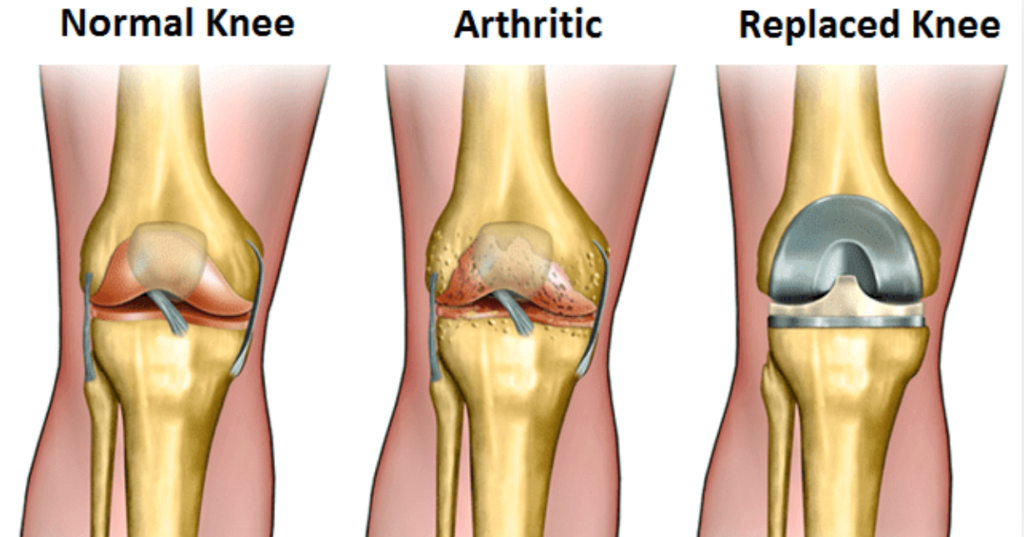
Understanding the Knee Joint: A Complex Structure
The knee is not just a simple hinge—it is a dynamic joint made up of bones, cartilage, ligaments, tendons, and muscles working together.
Key structures of the knee
- Femur (thigh bone)
- Tibia (shin bone)
- Patella (kneecap)
- Ligaments (ACL, PCL, MCL, LCL)
- Cartilage (meniscus and articular cartilage)
Why the knee is vulnerable
Because it bears body weight and absorbs shock, the knee is prone to:
- Wear and tear
- Sports injuries
- Inflammation
- Degenerative changes
Featured Snippet: What are common misconceptions about knee health?
Common knee joint misconceptions include believing that all knee pain means serious injury, that rest is always best for recovery, that aging always causes knee pain, and that exercise worsens joint damage.
Misconception 1: All knee pain means serious damage
Many people assume that any knee pain indicates severe injury.
The reality
Knee pain can result from:
- Muscle strain
- Mild inflammation
- Overuse
- Temporary irritation
Why this misconception is harmful
It can lead to:
- Unnecessary fear
- Avoidance of movement
- Delayed recovery
Misconception 2: Rest is always the best treatment
While rest is important in acute injury, too much rest can slow recovery.
What actually helps recovery
- Controlled movement
- Gentle strengthening
- Gradual rehabilitation
Why movement matters
Movement helps:
- Maintain joint flexibility
- Improve blood flow
- Support cartilage health
Misconception 3: Exercise worsens knee damage
Many believe that physical activity harms the knee.
The truth
Appropriate exercise actually:
- Strengthens supporting muscles
- Reduces pain in chronic conditions
- Improves joint stability
Safe exercises include
- Walking
- Swimming
- Cycling
- Light resistance training
Misconception 4: Knee pain is an inevitable part of aging
Aging does affect joints, but pain is not guaranteed.
What really happens
- Cartilage may thin over time
- Muscle strength may decrease
- Activity level plays a major role
Key insight
Active individuals often maintain healthier knees than inactive ones, even in older age.
Misconception 5: Cracking knees always means arthritis
Joint sounds are often misunderstood.
What causes knee cracking?
- Gas bubbles in joint fluid
- Tendon movement
- Normal joint mechanics
When to worry
Cracking is only concerning if accompanied by:
- Pain
- Swelling
- Reduced movement
Step-by-Step: How Knee Health and Recovery Actually Work
Step 1: Identify the cause of pain
- Injury
- Overuse
- Weak muscles
- Inflammation
Step 2: Manage inflammation
- Rest during acute pain
- Apply ice if needed
- Avoid excessive strain
Step 3: Restore mobility
- Gentle stretching
- Range-of-motion exercises
- Low-impact movement
Step 4: Strengthen supporting muscles
Focus on:
- Quadriceps
- Hamstrings
- Calf muscles
Step 5: Return to normal activity gradually
Avoid sudden increases in intensity.
Advanced Insights into Knee Joint Function
1. The role of cartilage
Cartilage acts as a shock absorber, reducing friction between bones.
2. Importance of synovial fluid
This fluid lubricates the joint and supports smooth movement.
3. Muscle-joint interaction
Strong muscles reduce stress on the knee joint itself.
Common Knee Recovery Mistakes
Overresting the joint
Too much inactivity can weaken muscles and delay healing.
Ignoring early symptoms
Mild pain can worsen if not addressed early.
Returning too quickly to intense activity
This increases risk of re-injury.
Internal Linking Opportunities
This topic connects well with:
- Joint inflammation and mobility health
- Exercise for muscle and joint strength
- Arthritis prevention and management
- Physical therapy and rehabilitation exercises
- Bone health and calcium metabolism
Conclusion
Understanding knee joint misconceptions helps you approach pain and recovery with clarity instead of fear. Not all knee pain signals serious damage, and rest alone is not always the answer. In fact, balanced movement, strengthening, and gradual rehabilitation are often key to long-term knee health.
By separating myths from facts, you can make smarter decisions about your joint care, reduce unnecessary anxiety, and support healthier mobility over time.
With the right knowledge and consistent habits, strong and functional knees are achievable at every stage of life.