Meta Description: Learn the common veins for blood draws and venipuncture techniques. Discover key anatomical sites, selection tips, and safe practice guidelines for sampling.
Venipuncture—the process of drawing blood from a vein—is one of the most common clinical procedures in healthcare. Whether for laboratory testing, diagnosis, or monitoring treatment, choosing the right vein is essential for accuracy, patient comfort, and safety.
Understanding the common veins for blood draws helps healthcare professionals and students improve technique, reduce complications, and ensure successful sampling on the first attempt.
In this guide, you’ll explore the most frequently used venipuncture sites, why they are preferred, and how clinicians select the best vein for blood collection.
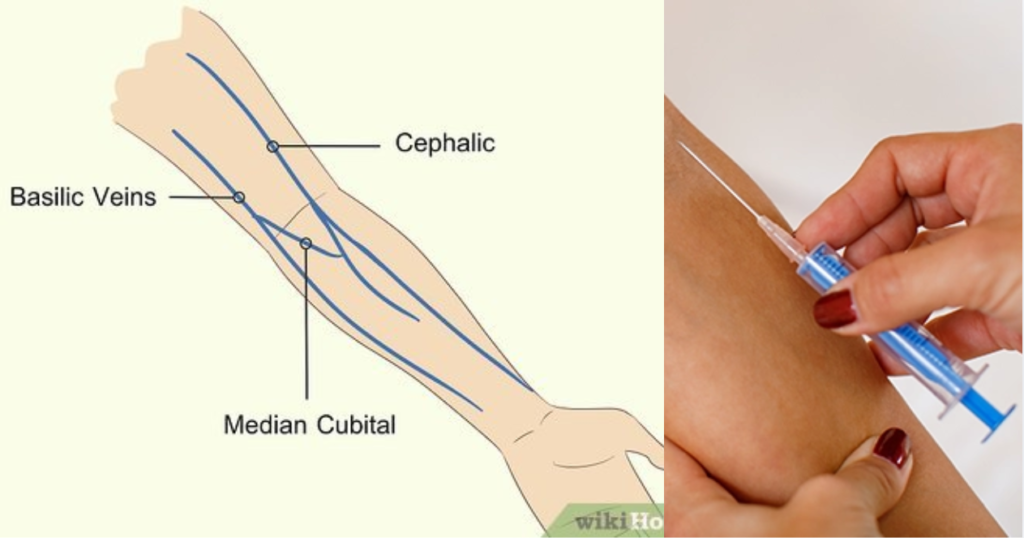
Understanding Venipuncture and Its Importance
Venipuncture is the insertion of a needle into a vein to collect blood or administer fluids.
Why venipuncture is performed
- Diagnostic testing
- Monitoring medical conditions
- Blood transfusions
- Research purposes
What makes a good vein for blood draw?
A suitable vein should be:
- Easily accessible
- Well anchored
- Large enough in diameter
- Not close to arteries or nerves
Featured Snippet: What are the most common veins used for blood draws?
The most common veins for blood draws are the median cubital vein, cephalic vein, and basilic vein located in the antecubital fossa (inner elbow), with the median cubital vein being the preferred site.
Main Veins Used in Venipuncture
1. Median Cubital Vein (Preferred Site)
Location
- Located in the middle of the inner elbow (antecubital fossa)
- Connects cephalic and basilic veins
Why it is preferred
- Large and stable
- Less painful
- Easy to access
- Low risk of complications
Clinical importance
This is the first-choice vein for most blood draws due to its size and accessibility.
2. Cephalic Vein
Location
- Outer (lateral) side of the forearm
- Runs along the thumb side of the arm
Advantages
- Visible in many patients
- Good alternative when median cubital vein is unavailable
Limitations
- Can roll under the skin
- Sometimes harder to stabilize
3. Basilic Vein
Location
- Inner (medial) side of the arm
- Runs along the pinky side
Advantages
- Often large and well-developed
Caution
- Located near nerves and arteries
- Requires careful technique to avoid complications
4. Dorsal Hand Veins
Location
- Back of the hand
When used
- When elbow veins are inaccessible
- In elderly or dehydrated patients
Considerations
- More sensitive area
- Smaller veins
- May be more painful
5. Forearm Veins
Location
- Along the forearm between wrist and elbow
Benefits
- Good backup site
- Easier access in some patients
Step-by-Step: How Veins Are Selected for Blood Draws
Step 1: Assess the patient
- Age
- Hydration level
- Medical history
- Previous venipuncture sites
Step 2: Visual and tactile inspection
- Look for visible veins
- Palpate to feel elasticity and bounce
Step 3: Choose the safest vein
Priority order:
- Median cubital vein
- Cephalic vein
- Basilic vein
- Hand or forearm veins
Step 4: Prepare the site
- Clean with antiseptic
- Apply tourniquet
- Position arm properly
Advanced Insights in Venipuncture Practice
1. Vein anatomy and elasticity
Healthy veins feel:
- Soft
- Springy
- Well-filled
2. Role of hydration
Well-hydrated patients have:
- Easier-to-access veins
- Better blood flow
3. Patient positioning
Proper positioning improves success:
- Arm extended
- Slight downward angle of hand
Common Challenges in Blood Draws
Collapsed veins
Can occur due to:
- Dehydration
- Low blood pressure
Rolling veins
Some veins move under the skin when punctured.
Difficult access in certain patients
- Elderly patients
- Chemotherapy patients
- Chronic illness cases
How to Improve Venipuncture Success
Warm the site
- Increases blood flow
- Makes veins more visible
Use proper technique
- Anchor the vein
- Insert needle at correct angle
Stay calm and gentle
Patient comfort improves vein accessibility.
Internal Linking Opportunities
This topic connects well with:
- Human circulatory system anatomy
- Blood testing and laboratory diagnostics
- Hydration and vascular health
- Emergency medical procedures
- Anatomy of upper limb veins
Conclusion
Understanding the common veins for blood draws is essential for safe, efficient, and comfortable venipuncture. The median cubital vein remains the preferred site due to its stability and accessibility, while the cephalic, basilic, and hand veins serve as important alternatives when needed.
By mastering vein selection and proper technique, healthcare professionals can improve patient outcomes, reduce complications, and ensure more successful blood collection procedures.
With practice and anatomical knowledge, venipuncture becomes a precise skill that supports accurate diagnosis and effective medical care.