Meta Description (150–160 characters):
Your urine color can reveal hidden health clues. Learn what different shades mean and how to use this simple indicator to monitor your wellbeing.
Have you ever paused and looked at the color of your urine, wondering what it might mean? While it may seem like a trivial detail, your urine color can provide important insights into your hydration, nutrition, and overall health. From pale yellow to dark amber, each shade can indicate different conditions, and understanding these cues empowers you to take proactive steps toward better wellness.
By paying attention to this natural body signal, you can detect dehydration, potential vitamin deficiencies, and even early warning signs of liver or kidney issues. In this guide, we’ll explore what your urine color is really trying to tell you and how you can respond effectively to maintain optimal health.
Section 1: Understanding Urine Basics
Before diving into specific colors, it’s essential to understand what urine is and why it changes.
What Determines Urine Color
Urine color is primarily influenced by:
- Hydration levels: More water results in lighter urine.
- Dietary choices: Foods like beets, carrots, and asparagus can temporarily change urine color.
- Medications and supplements: Certain vitamins, antibiotics, and other medications may alter the shade.
- Health conditions: Liver or kidney issues can cause unusual urine discoloration.
The Role of Urochrome
The yellow color in urine comes from urochrome, a pigment produced during the breakdown of hemoglobin. The concentration of urochrome varies depending on how diluted or concentrated your urine is, making it a natural gauge of hydration and metabolic function.
Section 2: Urine Colors and What They Mean
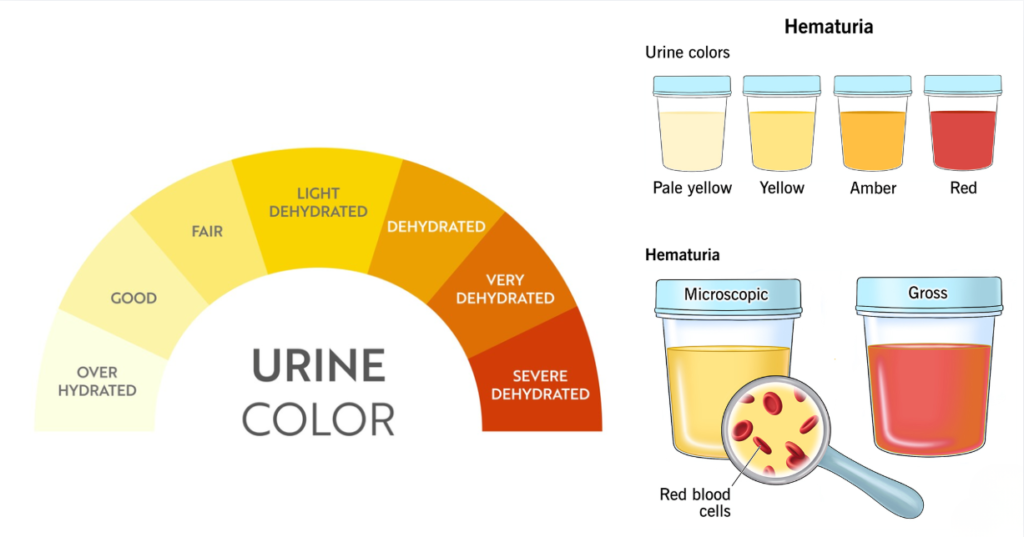
Your urine can range from nearly clear to dark amber or even other colors, each telling a story about your body.
Pale Yellow or Transparent
- What it means: You’re well-hydrated.
- Pro tip: Continue your balanced water intake. Overhydration can lead to frequent bathroom trips and electrolyte imbalance.
Light Yellow
- What it means: Optimal hydration. Your body is functioning efficiently.
- Encouragement: Maintaining this shade supports kidney health and toxin elimination.
Dark Yellow or Amber
- What it means: Mild dehydration. Your body needs more fluids.
- Actionable tip: Increase water intake gradually and monitor changes. Consistent dark urine may indicate underlying issues such as liver strain or vitamin supplements.
Orange or Dark Amber
- What it means: Could indicate dehydration or liver-related problems like bile duct obstruction. Certain medications (rifampin, some laxatives) can also cause this.
- Advice: If persistent, consult a healthcare professional for liver function tests.
Red or Pink
- What it means: Blood presence (hematuria) or consumption of red-colored foods.
- Warning: Persistent red urine requires medical evaluation to rule out kidney stones, infections, or more serious conditions.
Brown or Tea-Colored
- What it means: Possible liver issues (hepatitis, cirrhosis) or severe dehydration.
- Pro tip: Seek immediate medical attention if accompanied by other symptoms like fatigue, jaundice, or abdominal pain.
Blue or Green
- What it means: Rare but can result from certain medications, food dyes, or bacterial infections.
- Actionable tip: Investigate dietary sources first; persistent color changes warrant medical consultation.
Section 3: Practical Tips for Monitoring Urine Color
Monitoring your urine color can be a simple yet powerful tool for health management.
Keep a Hydration Log
Track how much water you consume daily and note any color changes. This helps you detect patterns and avoid chronic dehydration.
Consider Your Diet and Supplements
Certain foods and vitamins can temporarily alter urine color. Be mindful of these before assuming a health issue. For example:
- Beets → pink urine
- Carrots → orange urine
- Vitamin B supplements → bright yellow urine
Timing and Frequency
Your first morning urine is usually more concentrated and darker. This is normal. Focus on the overall pattern throughout the day rather than single samples.
Section 4: Troubleshooting Unusual Colors
Sometimes urine color changes unexpectedly. Here’s how to handle common scenarios.
Sudden Dark Urine
- Potential causes: Dehydration, intense exercise, or liver stress.
- Solution: Increase water intake and rest; if it persists, get liver tests.
Persistent Red or Pink Urine
- Potential causes: Hematuria, kidney stones, infection.
- Solution: Seek immediate medical attention. Early diagnosis is crucial for kidney and urinary tract health.
Bright Yellow Urine After Supplements
- Potential causes: High doses of B vitamins.
- Solution: Reduce vitamin intake if not medically necessary. This is typically harmless but indicates excess excretion.
Section 5: Maximizing Health Through Awareness
Understanding urine color helps you proactively maintain health and prevent complications.
Hydration Strategy
- Drink water consistently throughout the day.
- Include hydrating foods like cucumbers, watermelon, and celery.
- Adjust intake based on activity level and climate.
Nutrition Alignment
- Maintain a balanced diet rich in fruits, vegetables, and fiber.
- Avoid excessive intake of artificial dyes and processed foods that can confuse your urine color cues.
Regular Health Checkups
- Routine blood and urine tests can catch problems early.
- Use your urine color awareness as a daily self-check tool to supplement, not replace, professional care.
Related Health Topics
Monitoring urine color aligns well with other wellness practices such as:
- Kidney health strategies
- Hydration routines for weight loss
- Liver detoxification approaches
- Vitamin supplementation guidance
Conclusion: Listen to Your Body’s Signals
Your urine color is more than a mundane observation—it’s a window into your health. By paying attention, you can detect dehydration, nutritional imbalances, and even early signs of serious conditions.
Take proactive steps: hydrate wisely, monitor patterns, and consult professionals when necessary. This simple habit empowers you to maintain wellness daily. Your body communicates constantly; urine color is one of the clearest signals—listen, respond, and thrive.
Important Disclaimer: This article is for informational purposes only and should not replace professional advice. For health-related topics, consult healthcare providers. Individual results may vary, and personal circumstances should always be considered when implementing any suggestions.