Meta Description: Learn about vitamin D sources, how sunlight helps your body produce it, and practical strategies to maintain healthy levels for bone, immune, and overall health.
Vitamin D is often called the “sunshine vitamin” because your body can produce it when your skin is exposed to sunlight. Despite this natural production, vitamin D deficiency is common worldwide due to limited sun exposure, lifestyle factors, and dietary gaps.
Maintaining adequate vitamin D levels is essential for bone strength, immune support, and overall metabolic health.
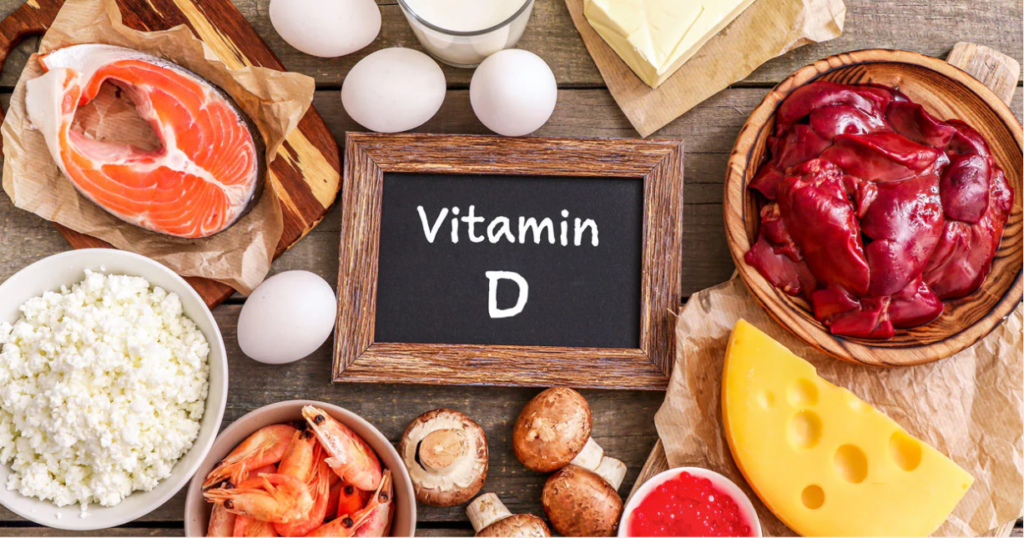
Featured Snippet: What are the best sources of vitamin D?
The best sources of vitamin D include sunlight exposure, fatty fish, egg yolks, fortified foods, and supplements when recommended by a healthcare professional.
Why Vitamin D Matters
Vitamin D plays a key role in:
- Calcium and phosphorus absorption
- Bone and teeth health
- Immune system regulation
- Muscle function
- Inflammatory balance
Related concept
Calcium metabolism
1. Sunlight: The Most Natural Source
Your skin produces vitamin D when exposed to UVB rays from the sun.
Factors affecting production
- Time of day
- Skin tone
- Geographic location
- Season
- Use of sunscreen
- Amount of exposed skin
Important note
While sunlight is effective, excessive exposure increases the risk of skin damage, so balance is important.
2. Food Sources of Vitamin D
Few foods naturally contain significant amounts of vitamin D, but some are valuable sources.
Fatty fish
- Salmon
- Mackerel
- Sardines
- Tuna
Egg yolks
Contain small but useful amounts of vitamin D.
Liver
Beef liver contains modest levels.
Related organ
Liver
3. Fortified Foods
Many foods are enriched with vitamin D to help prevent deficiency.
Common fortified sources
- Milk
- Plant-based milk alternatives
- Breakfast cereals
- Some juices
4. Vitamin D Supplements
Supplements may be recommended when levels are low or sunlight exposure is limited.
Important considerations
- Dosage should be guided by a healthcare professional
- Fat-soluble vitamin—excess intake can be harmful
- Often combined with calcium in bone health support
Signs of Vitamin D Deficiency
Common symptoms
- Fatigue
- Bone pain
- Muscle weakness
- Frequent infections
- Low mood
Related condition
Vitamin D deficiency
Risk Factors for Low Vitamin D
Lifestyle factors
- Limited sun exposure
- Indoor living
- Sunscreen use (reduces UVB absorption)
Biological factors
- Darker skin pigmentation
- Aging
- Obesity
- Malabsorption disorders
Related condition
Malabsorption syndrome
Health Benefits of Adequate Vitamin D
Bone health
Supports calcium absorption and reduces risk of bone weakness.
Immune support
Helps regulate immune responses and defense mechanisms.
Muscle function
Contributes to muscle strength and coordination.
Featured Snippet: Can you get enough vitamin D from sunlight alone?
It depends on factors like location, skin tone, time spent outdoors, and season. Many people still require dietary intake or supplementation.
Smart Ways to Boost Vitamin D Levels
Get safe sun exposure
- Short, regular exposure is more effective than occasional long exposure
- Midday sun may be most efficient for vitamin D production (depending on location)
Eat vitamin D-rich foods
Include fatty fish, eggs, and fortified products regularly.
Maintain a balanced diet
Vitamin D works closely with nutrients like calcium and magnesium.
Consider testing
A blood test can measure vitamin D levels if deficiency is suspected.
Common Myths About Vitamin D
Myth: More sun is always better
Excessive sun exposure increases skin cancer risk without additional vitamin D benefits.
Myth: Diet alone is enough
It is difficult to meet vitamin D needs from food alone without fortified products or sunlight.
Myth: Vitamin D works instantly
Restoring levels takes time and consistent intake or exposure.
Internal Linking Opportunities
This topic connects well with:
- Bone health and osteoporosis
- Immune system function
- Nutrition and micronutrients
- Sun exposure and skin health
- Fat-soluble vitamins
Conclusion
Vitamin D is essential for bone strength, immune regulation, and overall health. While sunlight remains the most natural source, diet and supplementation also play important roles in maintaining healthy levels.
A balanced approach that includes safe sun exposure, nutrient-rich foods, and medical guidance when needed can help prevent deficiency and support long-term well-being.
Important Disclaimer: This article is for educational purposes only and should not replace professional medical advice. Individuals concerned about vitamin D levels should consult a qualified healthcare professional.