Meta Description: Discover how Vitamin K2 shows promising inhibition of triple-negative breast cancer cell growth, offering new insights into potential therapeutic strategies.
Introduction
Triple-negative breast cancer (TNBC) is one of the most aggressive forms of breast cancer, lacking estrogen, progesterone, and HER2 receptors. This makes it particularly challenging to treat with conventional therapies, leaving patients and clinicians seeking innovative strategies. Excitingly, emerging research highlights Vitamin K2 as a potential natural compound that can inhibit the growth of TNBC cells.
By exploring the mechanisms behind Vitamin K2’s action and its potential role in cancer therapy, you can gain a deeper understanding of how nutrition and bioactive compounds may complement traditional treatment. In this article, you’ll learn about the science behind Vitamin K2, its effects on TNBC cells, and how ongoing research is shaping its potential clinical applications.
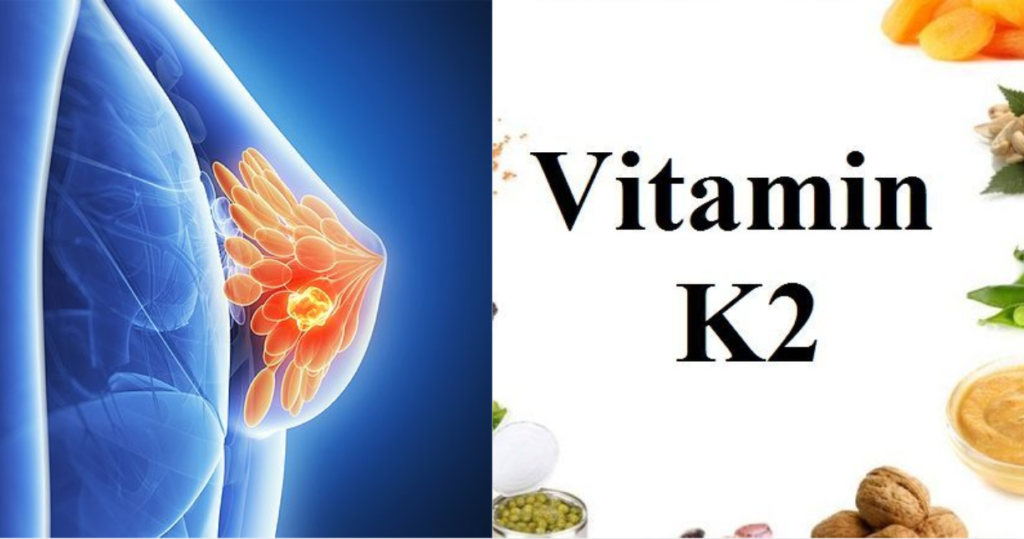
Section 1: Foundation – Understanding Triple-Negative Breast Cancer and Vitamin K2
Before diving into the specifics of Vitamin K2, it’s essential to grasp the basics of TNBC and why this nutrient is gaining attention.
H3: What is Triple-Negative Breast Cancer?
Triple-negative breast cancer is characterized by the absence of three key receptors:
- Estrogen receptor (ER)
- Progesterone receptor (PR)
- Human epidermal growth factor receptor 2 (HER2)
This receptor profile makes TNBC less responsive to hormone therapy and targeted treatments, often requiring chemotherapy or immunotherapy. Unfortunately, TNBC tends to grow rapidly and has a higher likelihood of metastasis, highlighting the need for novel interventions.
H3: Overview of Vitamin K2
Vitamin K2 is a fat-soluble vitamin primarily known for its role in bone health and blood clotting. Unlike Vitamin K1, which is found mainly in leafy greens, K2 is abundant in fermented foods such as natto, certain cheeses, and dairy products.
Recent studies have revealed that Vitamin K2 also exhibits anticancer properties, including the potential to inhibit proliferation, induce apoptosis (programmed cell death), and interfere with tumor growth pathways.
H3: Why Vitamin K2 Matters for Cancer Research
Vitamin K2’s mechanisms of action are multifaceted:
- Modulating gene expression related to cell survival
- Promoting apoptosis in malignant cells
- Interfering with inflammatory pathways that contribute to tumor progression
These effects make Vitamin K2 an exciting candidate for complementary cancer therapy, especially in aggressive cancers like TNBC.
Section 2: Step-by-Step Insights into Vitamin K2’s Mechanisms Against TNBC
Understanding how Vitamin K2 affects TNBC cells helps explain its therapeutic potential.
H3: Inducing Apoptosis in Cancer Cells
Vitamin K2 activates pathways that trigger programmed cell death. By signaling TNBC cells to self-destruct, it reduces tumor proliferation without harming surrounding healthy tissue.
- Key mechanisms include upregulation of caspase enzymes
- Downregulation of anti-apoptotic proteins such as Bcl-2
H3: Inhibiting Cell Cycle Progression
Vitamin K2 can halt TNBC cells in specific phases of the cell cycle, particularly the G1/S phase, preventing cells from multiplying unchecked. This inhibition is crucial for slowing tumor growth and enhancing the efficacy of other treatments.
H3: Anti-Inflammatory and Antioxidant Effects
Chronic inflammation and oxidative stress often accelerate cancer progression. Vitamin K2 exhibits antioxidant properties, helping to:
- Reduce free radical damage
- Suppress pro-inflammatory cytokines
- Improve the tumor microenvironment
These effects may complement chemotherapy and reduce side effects by supporting overall cellular health.
Section 3: Advanced Strategies – Optimizing Vitamin K2 for Potential Therapeutic Use
While research is ongoing, there are promising strategies to maximize the benefits of Vitamin K2 in TNBC management.
H3: Combining Vitamin K2 with Conventional Therapies
Early studies suggest that Vitamin K2 may enhance the efficacy of chemotherapy agents like doxorubicin and paclitaxel. By sensitizing TNBC cells, K2 could potentially reduce required dosages and mitigate side effects.
H3: Dosage and Formulation Considerations
Vitamin K2 exists in multiple forms, including MK-4 and MK-7. Each may have distinct bioavailability and effects on cancer cells. Current research explores:
- Optimal dosing for anticancer effects
- Timing in conjunction with chemotherapy cycles
- Delivery methods, including oral supplements or functional foods
H3: Personalized Nutritional Approaches
Because cancer biology varies widely among individuals, integrating Vitamin K2 as part of a personalized nutrition strategy may enhance outcomes. Combining K2-rich foods with other anticancer nutrients, like vitamin D3, can support holistic health.
Section 4: Troubleshooting Challenges and Limitations
H4: Clinical Evidence Still Emerging
Most studies on Vitamin K2 and TNBC are preclinical, conducted in vitro or in animal models. Human trials are limited, meaning conclusions should be approached with caution.
H4: Safety and Interactions
Vitamin K2 is generally considered safe, but it can interact with blood-thinning medications. Anyone considering supplementation should consult their healthcare provider.
H4: Consistency in Diet
Relying solely on Vitamin K2 from dietary sources may not provide therapeutic levels. Combining food sources with standardized supplementation may be necessary for meaningful effects in research contexts.
Section 5: Maximizing Results – Integrating Vitamin K2 into a Holistic Cancer Strategy
H3: Complementary Lifestyle Practices
- Maintain a balanced diet rich in vegetables, legumes, and lean proteins
- Regular physical activity to support immune function and circulation
- Adequate sleep and stress management to optimize overall health
H3: Monitoring Progress
Regular screenings, imaging, and blood tests are essential when exploring complementary therapies. Documenting changes in tumor markers alongside lifestyle interventions provides actionable insights.
H3: Internal Linking Opportunities
- “Nutritional Strategies to Support Breast Cancer Treatment”
- “Understanding Apoptosis: How Cells Protect Against Cancer”
- “Vitamin D3 and K2 Synergy for Cancer Prevention”
- “Antioxidants in Cancer Therapy: What You Should Know”
Featured Snippet: How Does Vitamin K2 Inhibit TNBC Cell Growth?
Vitamin K2 inhibits triple-negative breast cancer cell growth by inducing apoptosis, halting cell cycle progression, and reducing inflammation. It promotes cancer cell self-destruction while sparing healthy cells, showing potential as a complementary therapeutic strategy.
Conclusion
Vitamin K2 represents a promising area of research in the fight against triple-negative breast cancer. By targeting cancer cell growth, promoting apoptosis, and modulating inflammation, K2 provides a potential adjunct to conventional therapies. While human trials are still needed, early findings inspire hope for integrating Vitamin K2-rich foods and supplements into personalized cancer care. Embrace the power of science-backed nutrition and stay proactive—your health and well-being are worth it.
Important Disclaimer: This article is for informational purposes only and should not replace professional advice. For health-related topics, consult healthcare providers. Individual results may vary, and personal circumstances should always be considered when implementing any suggestions.