Meta Description: Discover why pomegranate juice is a superdrink. Learn its key health benefits, antioxidants, heart support, anti-inflammatory effects, and nutrition facts.
Pomegranate juice has earned its reputation as a superdrink thanks to its rich nutrient profile and powerful plant compounds. Deep red, slightly tangy, and naturally refreshing, this juice has been enjoyed for centuries in traditional diets—and modern research continues to highlight its impressive health potential.
But what makes it so special? The answer lies in its high concentration of antioxidants, vitamins, and bioactive compounds that support multiple systems in the body.
In this article, you’ll discover why pomegranate juice is considered a superdrink, how it supports your health, and the best ways to include it in your daily routine.
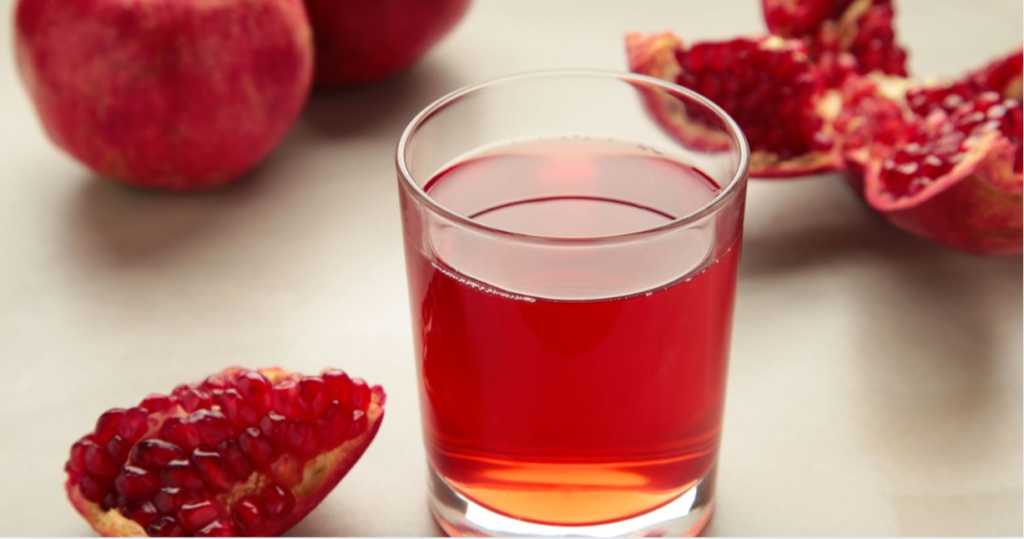
What Makes Pomegranate Juice a “Superdrink”?
A superdrink is a beverage packed with nutrients and beneficial compounds that support overall health beyond basic hydration.
Nutritional profile of pomegranate juice
Pomegranate juice contains:
- Vitamin C
- Vitamin K
- Potassium
- Folate
- Polyphenols (especially punicalagins and anthocyanins)
Why it stands out
Unlike many fruit juices, pomegranate juice is particularly rich in antioxidants, which help protect the body from oxidative stress.
Featured Snippet: Why is pomegranate juice considered a superdrink?
Pomegranate juice is considered a superdrink because it is rich in antioxidants, vitamins, and plant compounds that may support heart health, reduce inflammation, improve circulation, and protect cells from oxidative damage.
Key Health Benefits of Pomegranate Juice
Let’s explore the most studied and widely recognized benefits of this powerful juice.
1. Powerful antioxidant protection
One of the biggest reasons pomegranate juice is so valued is its antioxidant content.
How antioxidants help your body
- Neutralize free radicals
- Reduce oxidative stress
- Protect cells from damage
- Support healthy aging
Why pomegranate is exceptional
Research suggests pomegranate juice may contain more antioxidants than green tea or red wine in some cases.
2. Heart health support
Pomegranate juice is strongly linked to cardiovascular wellness.
Potential heart benefits include:
- Supporting healthy blood pressure
- Improving blood flow
- Helping reduce LDL (“bad”) cholesterol oxidation
- Supporting arterial flexibility
Simple explanation
It helps protect blood vessels from oxidative damage, which is a key factor in heart disease development.
3. Anti-inflammatory effects
Chronic inflammation is linked to many modern health conditions.
How pomegranate juice helps
Its polyphenols may:
- Reduce inflammatory markers
- Support joint comfort
- Help balance immune response
Everyday example
People with high stress or poor diet often experience low-grade inflammation, which antioxidant-rich foods may help balance.
4. Brain and cognitive support
Emerging research suggests potential benefits for brain health.
Possible effects:
- Improved memory performance
- Protection against oxidative brain stress
- Support for cognitive aging
Why it matters
The brain is highly sensitive to oxidative damage, making antioxidant-rich foods important for long-term function.
5. Exercise recovery and endurance
Athletes are increasingly interested in pomegranate juice.
How it may help:
- Supports blood flow and oxygen delivery
- May reduce muscle soreness
- Helps recovery after exercise
Real-life use
Drinking pomegranate juice after workouts may support faster recovery in some individuals.
How to Drink Pomegranate Juice for Best Benefits
To maximize its effects, timing and quality matter.
Choose 100% pure juice
Look for:
- No added sugar
- Cold-pressed or fresh juice
- Minimal processing
Recommended serving
- About 150–250 ml per day is commonly used in studies
Best times to drink it
- Morning (energy and antioxidants)
- Before workouts (circulation support)
- With meals (nutrient absorption)
Advanced Ways to Use Pomegranate Juice
You can enjoy it in more than just a glass.
Healthy combinations
- Mix with sparkling water for a low-sugar drink
- Blend into smoothies
- Combine with citrus juices
- Use as a salad dressing base
Functional wellness tip
Pairing pomegranate juice with a balanced diet enhances its long-term benefits.
Possible Side Effects and Considerations
While generally safe for most people, moderation is important.
Things to keep in mind:
- It contains natural sugars
- May interact with certain medications (like blood pressure drugs)
- Can be acidic for sensitive stomachs
Who should be cautious?
- People with diabetes (monitor intake)
- Individuals on medication affecting blood pressure
- Those with digestive sensitivity
Common Mistakes to Avoid
To get the most from pomegranate juice, avoid these pitfalls:
Drinking sugary commercial versions
Many bottled juices contain added sugar, reducing health benefits.
Overconsumption
Even healthy juices can contribute to excess calorie and sugar intake if overused.
Expecting instant results
Benefits come from consistent use over time, not one-time consumption.
Internal Linking Opportunities
This topic connects well with other wellness articles such as:
- Antioxidant-rich foods for immune support
- Natural ways to improve heart health
- Anti-inflammatory diet guidelines
- Superfruits and their nutritional benefits
- Foods that support circulation and blood flow
Conclusion
Pomegranate juice truly deserves its reputation as a superdrink. With its high antioxidant content, heart-supporting compounds, and potential anti-inflammatory effects, it offers a wide range of wellness benefits when included as part of a balanced diet.
While it is not a miracle cure, regular and mindful consumption can contribute to better overall health, energy, and cellular protection.
By choosing pure juice, enjoying it in moderation, and pairing it with healthy habits, you can unlock the natural power of this vibrant red superfruit and support your long-term well-being.