Meta Description: Discover zinc benefits for immunity, skin health, and hormonal balance. Learn deficiency signs, food sources, and how this essential trace element supports wellness.
Zinc is one of those nutrients your body needs in small amounts—but its impact is huge. Often overlooked, this essential trace mineral plays a key role in immune defense, skin repair, wound healing, and even hormone regulation.
When zinc levels are balanced, your body functions more smoothly. But when they drop too low, you may start noticing subtle signs like frequent infections, slow healing, skin issues, or fatigue.
In this article, you’ll discover why zinc is so important, how it supports different systems in your body, and how to make sure you’re getting enough from your diet.
What Is Zinc and Why Is It Important?
Zinc is an essential trace element, meaning your body needs it in very small amounts—but cannot produce or store it for long periods.
Key roles of zinc in the body
- Supports immune system function
- Helps with wound healing
- Plays a role in DNA and protein synthesis
- Contributes to growth and development
- Supports hormonal and endocrine balance
Why zinc matters daily
Because your body doesn’t store zinc efficiently, you need a regular dietary intake to maintain healthy levels.
Featured Snippet: What are the main benefits of zinc?
Zinc supports immune function, helps heal wounds, promotes healthy skin, assists hormone production, and plays a key role in metabolism and cell growth, making it an essential trace mineral for overall health.
Zinc and Immunity: Your Body’s Defense Shield
One of zinc’s most important roles is supporting the immune system.
How zinc strengthens immunity
Zinc helps:
- Activate immune cells (T-cells)
- Reduce duration of common colds
- Support inflammatory response balance
- Protect against oxidative stress
What research suggests
Studies show that zinc deficiency is linked to weakened immune response and increased susceptibility to infections.
Zinc for Skin Health and Repair
If you struggle with skin issues, zinc might play a bigger role than you think.
Skin benefits of zinc
- Supports acne management
- Helps wound healing and tissue repair
- Reduces inflammation in skin conditions
- Assists in collagen production
Common skin-related uses
Zinc is often found in:
- Acne treatments
- Sunscreens (zinc oxide)
- Healing ointments
Real-life example
People with low zinc levels may notice slower healing from cuts or more frequent skin irritation.
Zinc and Hormonal (Endocrine) Balance
Zinc is deeply involved in hormone production and regulation.
Key hormonal roles
- Supports thyroid hormone function
- Helps regulate insulin activity
- Influences reproductive hormones (testosterone and estrogen balance)
Why endocrine balance matters
Hormones control energy, metabolism, mood, and reproduction—so zinc indirectly affects many daily body functions.
Zinc and Metabolism: Energy at the Cellular Level
Zinc is essential for enzyme activity in metabolism.
How it supports energy production
- Helps break down carbohydrates, fats, and proteins
- Supports enzyme reactions in cells
- Contributes to normal energy levels
Signs of low metabolic efficiency
- Fatigue
- Brain fog
- Reduced physical endurance
Signs of Zinc Deficiency
Zinc deficiency can develop gradually and often goes unnoticed at first.
Common symptoms include:
- Frequent infections
- Slow wound healing
- Hair thinning or loss
- Skin problems (acne, irritation)
- Loss of appetite
- Reduced taste or smell
Who is at higher risk?
- People with poor diet diversity
- Vegetarians and vegans (lower zinc bioavailability)
- Individuals with digestive disorders
- Older adults
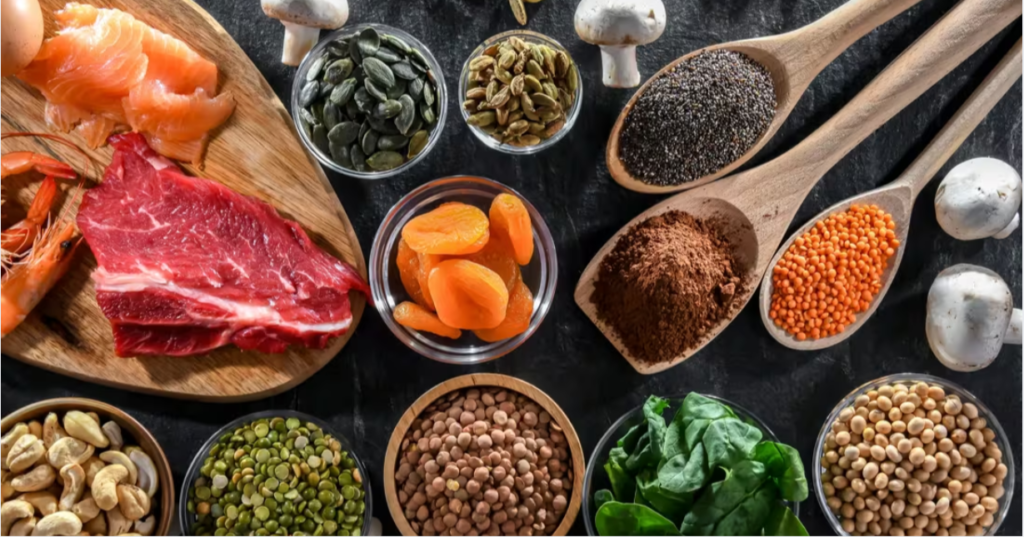
Zinc-Rich Foods You Should Include
The best way to maintain healthy zinc levels is through diet.
Animal-based sources
- Oysters (one of the richest sources)
- Beef
- Chicken
- Eggs
Plant-based sources
- Pumpkin seeds
- Chickpeas
- Lentils
- Cashews
- Whole grains
Important note on plant sources
Plant-based zinc is less easily absorbed, so combining with vitamin C-rich foods can improve absorption.
How to Optimize Zinc Absorption
Getting zinc is not enough—your body must absorb it properly.
Tips for better absorption
- Soak legumes and seeds before cooking
- Avoid excessive phytate-rich foods in the same meal
- Balance with protein intake
- Maintain good gut health
What can block zinc absorption?
- High calcium intake at the same time
- Excess iron supplements
- Highly processed diets
Advanced Insights: Zinc in Daily Wellness
Beyond basics, zinc plays a subtle but important role in long-term health.
1. Skin and aging support
Zinc helps protect cells from oxidative stress, which is linked to skin aging.
2. Brain and mood balance
Emerging research suggests zinc may support neurotransmitter activity and mood stability.
3. Recovery and healing
Athletes often rely on zinc for faster recovery and tissue repair after physical stress.
Common Mistakes About Zinc
Many people misunderstand how zinc works.
Over-supplementation
Too much zinc can lead to:
- Nausea
- Copper imbalance
- Immune suppression over time
Ignoring diet quality
Supplements cannot fully replace nutrient-rich whole foods.
Expecting instant results
Zinc works gradually by supporting cellular processes—not as a quick fix.
Internal Linking Opportunities
This topic connects naturally with:
- Immune system-boosting foods and nutrients
- Skin health and acne nutrition guide
- Hormonal balance and endocrine health
- Essential trace minerals for metabolism
- Foods rich in antioxidants and cellular protection
Conclusion
Zinc is a small but powerful nutrient that quietly supports many essential functions in your body. From strengthening immunity and improving skin health to helping regulate hormones and metabolism, its role is deeply interconnected with overall wellness.
When you maintain healthy zinc levels through a balanced diet, you give your body the tools it needs to function efficiently and recover effectively.
By focusing on nutrient-rich foods and mindful eating habits, you can naturally support immunity, skin vitality, and hormonal balance—unlocking better long-term health from the inside out.