Meta Description: Learn about acrochordons (skin tags), including causes, appearance, risk factors, and safe care options for these common benign skin growths.
Acrochordon, commonly known as a skin tag, is a small, soft, benign skin growth that often appears in areas where skin rubs against skin or clothing. Although harmless in most cases, skin tags are extremely common and may raise cosmetic concerns or become irritated.
Understanding skin tag causes, appearance, and care can help you distinguish them from other skin lesions and know when medical evaluation may be appropriate.
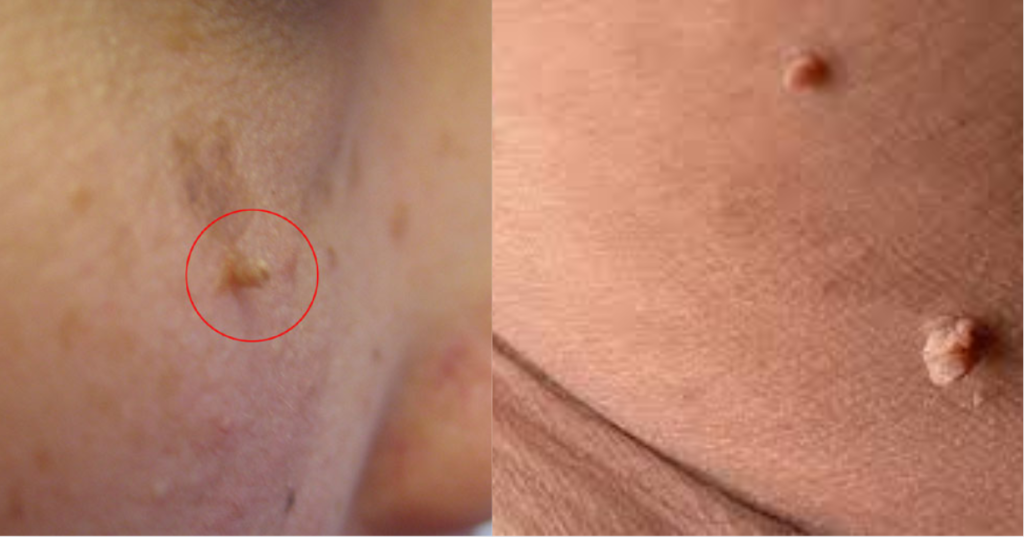
What Are Skin Tags (Acrochordons)?
Skin tags are noncancerous growths made of loose collagen fibers and blood vessels surrounded by skin.
Typical characteristics
- Soft and flesh-colored
- Small and hanging from the skin
- Smooth or slightly wrinkled
- Usually painless
Common locations
- Neck
- Armpits
- Eyelids
- Groin
- Under the breasts
Featured Snippet: What are skin tags?
Skin tags, or acrochordons, are small benign skin growths that commonly develop in areas where skin experiences friction, such as the neck, armpits, or groin.
What Causes Skin Tags?
The exact cause is not fully understood, but several factors are associated with their development.
1. Friction and skin rubbing
Most skin tags occur in areas where:
- Skin folds touch
- Clothing causes repeated friction
2. Aging
- More common in middle-aged and older adults
3. Insulin resistance and metabolic factors
Skin tags are more frequently seen in people with:
- Obesity
- Type 2 Diabetes
- Insulin resistance
4. Hormonal influences
They may appear more often during:
- Pregnancy
- Hormonal changes
5. Genetic predisposition
Some individuals are more prone due to family history.
Featured Snippet: Why do skin tags form?
Skin tags commonly form due to skin friction, aging, hormonal influences, obesity, and metabolic factors such as insulin resistance.
How to Recognize a Skin Tag
Typical appearance
- Small flap of tissue attached by a thin stalk
- Flesh-colored or slightly darker
- Usually 1–5 mm, though some can grow larger
Symptoms
Most are asymptomatic, but irritation may occur if they:
- Rub against jewelry or clothing
- Twist or become inflamed
Conditions That Can Resemble Skin Tags
Not every skin growth is a skin tag.
Possible look-alikes
- Warts
- Moles (nevi)
- Seborrheic keratoses
- Rare skin cancers
When evaluation is important
Seek medical assessment if a lesion:
- Changes color rapidly
- Bleeds easily
- Becomes painful
- Grows unusually fast
Featured Snippet: Are skin tags dangerous?
Skin tags are usually harmless and noncancerous, but any skin growth that changes rapidly, bleeds, or appears unusual should be evaluated by a healthcare professional.
Risk Factors for Skin Tags
Common risk factors
- Obesity
- Diabetes or insulin resistance
- Pregnancy
- Family history
- Aging
Possible association with metabolic health
Multiple skin tags may sometimes correlate with:
- Metabolic syndrome
- Elevated insulin levels
Care and Management
1. Leave them alone if harmless
Most skin tags require no treatment.
2. Prevent irritation
- Avoid tight clothing
- Reduce friction in affected areas
3. Professional removal options
Healthcare professionals may remove skin tags using:
- Cryotherapy (freezing)
- Cauterization (burning)
- Surgical snipping
4. Avoid unsafe home removal
Improper removal may cause:
- Infection
- Bleeding
- Scarring
Featured Snippet: How are skin tags removed?
Skin tags can be safely removed by healthcare professionals using methods such as cryotherapy, cauterization, or minor surgical excision.
Can Skin Tags Be Prevented?
Prevention is not always possible, but some measures may help reduce risk.
Helpful strategies
- Maintain healthy body weight
- Reduce skin friction
- Manage blood sugar levels
- Wear breathable clothing
Common Myths About Skin Tags
Myth 1: Skin tags are contagious
Reality: They do not spread between people.
Myth 2: All skin growths are skin tags
Reality: Some lesions may require medical evaluation.
Myth 3: Cutting them off at home is harmless
Reality: Home removal can lead to complications.
Internal Linking Opportunities
This topic connects well with:
- Diabetes and insulin resistance
- Common benign skin lesions
- Skin health and dermatology basics
- Obesity and metabolic syndrome
- Friction-related skin conditions
Conclusion
Acrochordons (skin tags) are common, benign skin growths that usually develop in areas of friction such as the neck, armpits, and groin. While generally harmless, they may sometimes indicate underlying metabolic factors like insulin resistance or obesity.
Understanding their appearance, causes, and safe treatment options can help you care for your skin confidently and recognize when professional evaluation is needed.
Important Disclaimer: This article is for informational purposes only and should not replace professional medical advice. Any changing, painful, or unusual skin lesion should be evaluated by a qualified healthcare professional.