Meta Description: Explore the foundations of brain health, including nutrition, sleep, stress management, exercise, and cognitive habits that support mental performance and long-term cognitive wellness.
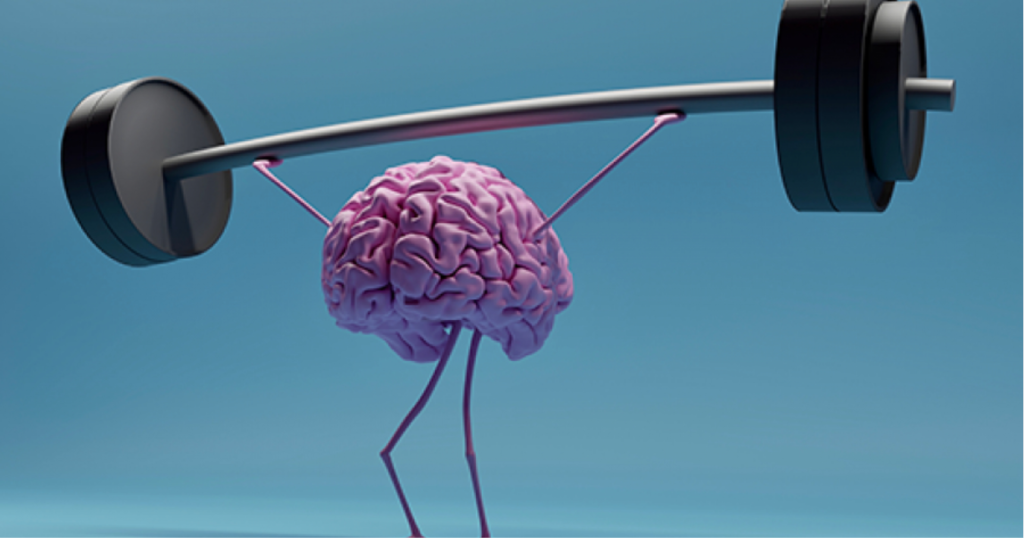
The human brain is one of the body’s most complex and energy-demanding organs. It regulates thought, memory, emotions, movement, and countless automatic functions essential for survival. Maintaining brain health requires a strategic balance between nutrition, sleep, physical activity, stress regulation, and mental stimulation.
Optimal cognitive wellness is not achieved through one “magic” solution, but through consistent lifestyle habits that support neurological function over time.
Featured Snippet: What supports brain health naturally?
Brain health is supported by balanced nutrition, regular exercise, quality sleep, stress management, social connection, and continuous mental stimulation.
Understanding Brain Health
Brain health refers to the ability to:
- Think clearly
- Learn and remember
- Regulate emotions
- Maintain focus and decision-making
- Adapt to stress and aging
Healthy brain function depends on strong communication between neurons, adequate blood flow, and balanced neurotransmitter activity.
1. Nutrition and Brain Function
The brain requires a continuous supply of nutrients and energy.
Key nutrients for cognitive wellness
Omega-3 fatty acids
Found in fatty fish, walnuts, and flaxseeds.
Benefits
- Support neuron membrane integrity
- Promote communication between brain cells
- Support memory and learning
B vitamins
Especially B6, B12, and folate.
Benefits
- Support neurotransmitter production
- Help energy metabolism in brain cells
Antioxidants
Found in berries, leafy greens, and colorful vegetables.
Benefits
- Reduce oxidative stress
- Protect neurons from cellular damage
Featured Snippet: What foods are best for brain health?
Foods that support brain health include fatty fish, berries, nuts, leafy greens, eggs, olive oil, and whole grains due to their healthy fats, antioxidants, and vitamins.
2. Sleep and Cognitive Recovery
Sleep is essential for neurological restoration.
During sleep, the brain:
- Consolidates memories
- Removes metabolic waste
- Regulates emotional processing
- Restores neurotransmitter balance
Effects of poor sleep
- Brain fog
- Reduced concentration
- Memory impairment
- Mood instability
Featured Snippet: Why is sleep important for the brain?
Sleep is important because it supports memory consolidation, emotional regulation, cognitive recovery, and removal of waste products from the brain.
3. Physical Activity and Brain Circulation
Regular exercise benefits both the body and brain.
Benefits
- Improves blood flow to the brain
- Enhances oxygen delivery
- Supports neuroplasticity
- Reduces inflammation
Best forms
- Walking
- Aerobic exercise
- Strength training
- Coordination-based activities
4. Stress Management and Mental Balance
Chronic stress affects the nervous system and hormone balance.
Effects of prolonged stress
- Elevated cortisol levels
- Reduced concentration
- Sleep disruption
- Emotional fatigue
Helpful strategies
- Mindfulness practices
- Deep breathing
- Nature exposure
- Relaxation techniques
Featured Snippet: How does stress affect brain health?
Chronic stress can impair memory, concentration, sleep, and emotional regulation by increasing cortisol and affecting brain signaling pathways.
5. Mental Stimulation and Neuroplasticity
The brain adapts through continuous learning.
Activities that support cognition
- Reading
- Learning new skills
- Problem-solving
- Language learning
- Creative activities
Neuroplasticity
The brain forms and strengthens neural connections through repeated mental engagement.
6. Social Connection and Emotional Health
Human interaction strongly influences brain wellness.
Benefits of social engagement
- Supports emotional regulation
- Reduces cognitive decline risk
- Improves mental resilience
7. Hydration and Brain Performance
Even mild dehydration can affect cognition.
Effects of dehydration
- Reduced focus
- Headaches
- Mental fatigue
- Slower reaction time
8. Cardiovascular Health and the Brain
The brain depends heavily on healthy circulation.
Conditions that may impair cognition
- High blood pressure
- Diabetes
- Atherosclerosis
Why it matters
Reduced blood flow may impair oxygen and nutrient delivery to neurons.
Featured Snippet: Does heart health affect brain function?
Yes, cardiovascular health directly affects brain function because the brain depends on healthy blood flow and oxygen delivery.
Habits That May Harm Brain Health
1. Chronic sleep deprivation
2. Sedentary lifestyle
3. Excess alcohol and smoking
4. Poor nutrition
5. Chronic unmanaged stress
Long-Term Cognitive Wellness
Brain health is influenced by cumulative daily habits over decades.
Key pillars
- Consistent movement
- Balanced nutrition
- Mental engagement
- Emotional balance
- Restorative sleep
Internal Linking Opportunities
This topic connects well with:
- Stress physiology and cortisol
- Sleep and circadian rhythm
- Cardiovascular and metabolic health
- Neuroplasticity and memory
- Nutrition and cognitive performance
Conclusion
Brain health depends on a strategic balance between physical, emotional, and cognitive factors. Nutrition, sleep, movement, stress regulation, and mental stimulation work together to support memory, focus, emotional stability, and long-term neurological wellness.
Small, consistent lifestyle habits can play a major role in preserving mental performance and cognitive resilience throughout life.
Important Disclaimer: This article is for educational purposes only and should not replace professional medical advice. Persistent cognitive or neurological symptoms should be evaluated by a qualified healthcare professional.