Meta Description: Learn the early physical indicators associated with HIV infection, how symptoms progress, and why testing is essential for accurate diagnosis and timely care.
HIV infection affects the immune system by targeting CD4 T-cells, gradually weakening the body’s ability to fight infections. Early symptoms can be subtle, non-specific, or absent, which is why awareness and timely testing are essential.
It is important to emphasize that symptoms alone cannot confirm HIV infection—only laboratory testing can.
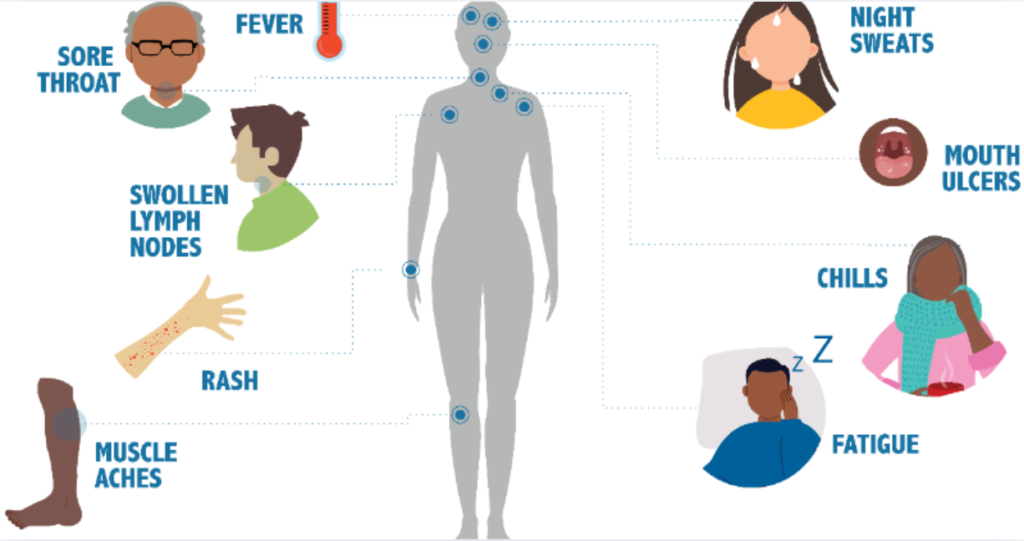
Featured Snippet: What are early signs of HIV?
Early HIV signs may include fever, fatigue, sore throat, rash, swollen lymph nodes, muscle aches, night sweats, mouth ulcers, and flu-like illness occurring a few weeks after exposure.
Understanding HIV Symptom Stages
HIV symptoms typically progress through stages:
- Acute (early infection)
- Chronic (clinical latency)
- Advanced infection (AIDS if untreated)
1. Flu-like Illness (Early Stage)
One of the most common early indicators.
Symptoms may include:
- Fever
- Chills
- Fatigue
- Headache
This phase is often mistaken for a common viral infection.
2. Swollen Lymph Nodes
Where it occurs:
- Neck
- Armpits
- Groin
Why it happens:
The immune system activates in response to viral replication.
3. Skin Rash
Characteristics:
- Red or flat rash
- May appear on torso or face
- Often non-itchy or mild
Featured Snippet: Does HIV cause skin rash?
Yes, early HIV infection may cause a mild rash due to immune system activation during acute infection.
4. Sore Throat and Mouth Symptoms
Common signs:
- Persistent sore throat
- Mouth ulcers
- White coating or discomfort in the mouth
5. Extreme Fatigue
Description:
- Persistent tiredness not relieved by rest
- Reduced energy levels
- Difficulty concentrating
Fatigue is one of the most reported early symptoms.
6. Muscle and Joint Pain
Symptoms:
- Body aches
- Muscle soreness
- Joint discomfort
Often resembles influenza-like illness.
7. Night Sweats
Characteristics:
- Excessive sweating during sleep
- May soak clothing or sheets
- Not related to environmental heat
Featured Snippet: Why do night sweats occur in HIV?
Night sweats in early HIV infection may result from immune system activation and inflammatory responses during viral replication.
8. Nausea, Diarrhea, and Digestive Changes
Possible symptoms:
- Nausea
- Diarrhea
- Loss of appetite
These occur due to systemic immune response.
9. Unexplained Weight Loss (Later Stage)
More common in chronic or untreated infection.
Causes:
- Reduced appetite
- Chronic inflammation
- Increased metabolic demand
Important Clinical Note: Symptoms Are Not Diagnostic
Many HIV symptoms overlap with:
- Influenza
- Mononucleosis
- Other viral infections
- Stress or immune reactions
Featured Snippet: Can HIV be diagnosed by symptoms alone?
No, HIV cannot be diagnosed by symptoms alone. Only laboratory tests such as antigen/antibody tests or PCR tests can confirm infection.
When to Get Tested for HIV
Testing is recommended if:
- There has been potential exposure
- Symptoms appear after risk exposure
- Routine screening is advised
- Pregnancy or pre-exposure prevention is considered
Types of HIV Tests
1. Antigen/antibody test (4th generation)
- Detects early infection
- Common clinical screening tool
2. RNA (PCR) test
- Detects virus directly
- Useful in very early infection
3. Rapid test
- Provides quick results
- May require confirmation
Why Early Detection Matters
Early diagnosis allows:
- Timely treatment
- Immune system protection
- Reduced transmission risk
- Better long-term outcomes
Key Takeaway
HIV symptoms can appear early but are often non-specific. The only reliable way to know your status is through testing.
Internal Linking Opportunities
This topic connects well with:
- Immune system function and CD4 cells
- Viral infections and early immune response
- Blood biomarkers and diagnostic testing
- Chronic inflammation and systemic symptoms
- Preventive health and screening strategies
Conclusion
Early HIV infection may present with flu-like symptoms, swollen lymph nodes, fatigue, rash, and night sweats, but these signs are not specific enough for diagnosis. Because symptoms overlap with many other conditions, testing remains the only reliable method for detection.
Awareness of early indicators is useful for encouraging timely screening and medical consultation, which is essential for effective management and long-term health.
Important Disclaimer: This article is for educational purposes only and should not replace professional medical advice. If you believe you may have been exposed to HIV, seek medical testing and guidance from a qualified healthcare provider as soon as possible.