Meta Description: Discover common everyday habits that may negatively affect your organs and learn how healthy lifestyle choices can support long-term wellness.
While organs do not literally experience fear, certain lifestyle habits can place stress on the body’s vital systems over time. Understanding these habits can help you make informed choices that support the health of your heart, liver, kidneys, lungs, brain, and digestive system.
Small daily actions often have a greater impact on long-term health than many people realize.
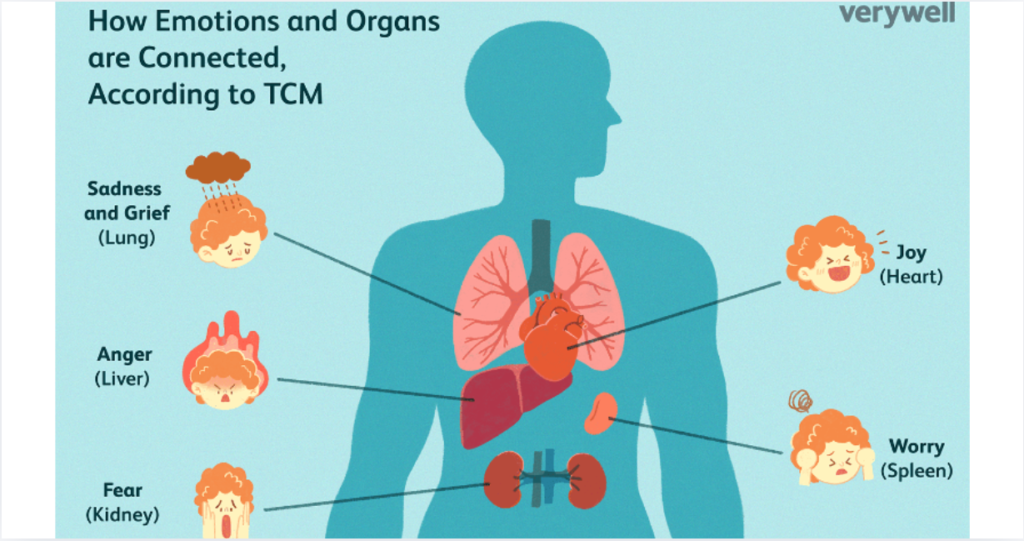
Featured Snippet: What habits can harm your organs?
Habits such as smoking, chronic sleep deprivation, poor nutrition, physical inactivity, excessive alcohol consumption, dehydration, and unmanaged stress may negatively affect the health and function of various organs.
1. The Heart “Dislikes” a Sedentary Lifestyle
Your heart works continuously to circulate blood throughout the body.
Habits that may affect heart health
- Physical inactivity
- Smoking
- Excessive intake of ultra-processed foods
- Chronic stress
Related condition
Cardiovascular disease
Heart-supportive habits
- Regular physical activity
- Balanced nutrition
- Blood pressure management
- Smoking cessation
2. The Liver “Dislikes” Excessive Alcohol and Poor Metabolic Health
The liver plays a central role in metabolism and detoxification.
Potential stressors
- Excessive alcohol consumption
- Obesity
- High-sugar diets
- Chronic inflammation
Related condition
Non-alcoholic fatty liver disease
3. The Kidneys “Dislike” Dehydration
The kidneys help regulate fluid balance and remove waste products.
Habits that may affect kidney health
- Chronic dehydration
- Excess sodium intake
- Poor management of diabetes or high blood pressure
Warning signs may include
- Dark urine
- Frequent kidney stones
- Fluid retention
Related condition
Kidney stones
4. The Lungs “Dislike” Smoke and Pollutants
Healthy lungs require clean airflow.
Common stressors
- Smoking
- Secondhand smoke
- Air pollution
- Occupational dust exposure
Related condition
Chronic obstructive pulmonary disease
Featured Snippet: What is one of the biggest threats to lung health?
Smoking remains one of the most significant preventable threats to lung health and respiratory function.
5. The Brain “Dislikes” Chronic Stress and Sleep Loss
The brain relies on adequate rest and healthy circulation.
Potential stressors
- Sleep deprivation
- Chronic stress
- Physical inactivity
- Poor nutrition
Related concept
Cortisol
Brain-supportive habits
- Consistent sleep
- Mental stimulation
- Physical activity
- Stress management
6. The Digestive System “Dislikes” Poor Dietary Habits
The digestive system depends on fiber, hydration, and balanced nutrition.
Habits that may contribute to digestive discomfort
- Low fiber intake
- Excess processed foods
- Inadequate hydration
- Irregular eating patterns
Related concept
Gut microbiome
7. The Bones “Dislike” Nutrient Deficiencies
Bones require a steady supply of key nutrients.
Important nutrients
- Calcium
- Vitamin D
- Magnesium
- Protein
Related condition
Osteoporosis
8. The Skin “Dislikes” Dehydration and Excessive Sun Damage
The skin serves as the body’s protective barrier.
Potential stressors
- Chronic dehydration
- Excess ultraviolet exposure
- Smoking
- Poor nutrition
Helpful habits
- Adequate hydration
- Sun protection
- Balanced diet
- Proper skin care
Everyday Habits That Benefit All Organs
Move regularly
Physical activity supports circulation, metabolism, and overall organ function.
Eat a nutrient-rich diet
Focus on:
- Fruits
- Vegetables
- Whole grains
- Lean proteins
- Healthy fats
Stay hydrated
Water supports nearly every organ system.
Prioritize sleep
Most adults benefit from consistent, quality sleep.
Manage stress
Healthy coping strategies can support both physical and mental wellness.
Featured Snippet: What are the best habits for protecting your organs?
Regular exercise, balanced nutrition, adequate hydration, quality sleep, stress management, and avoiding tobacco are among the most effective habits for supporting long-term organ health.
Internal Linking Opportunities
This topic connects well with:
- Heart health and circulation
- Kidney and liver function
- Brain health and cognitive wellness
- Gut health and nutrition
- Hydration and overall wellness
Conclusion
Although organs do not experience fear, many everyday habits can either support or challenge their function. Lifestyle factors such as nutrition, hydration, sleep, physical activity, and stress management play a major role in maintaining healthy organs throughout life.
Protecting your organs begins with small, consistent choices that contribute to long-term wellness and disease prevention.
Important Disclaimer: This article is for educational purposes only and should not replace professional medical advice. Individuals with ongoing health concerns should consult a qualified healthcare professional for personalized evaluation and guidance.