Meta Description: Learn about common skin disorders, their symptoms, causes, and how changes in the skin may reflect underlying health conditions.
Your skin is the body’s largest organ and often acts as a visible indicator of internal and external health. Changes such as redness, itching, rashes, dryness, or lesions may be linked to common skin conditions, environmental factors, allergies, or underlying systemic issues.
Understanding these patterns can help you recognize when skin changes are minor—or when they may need medical attention.
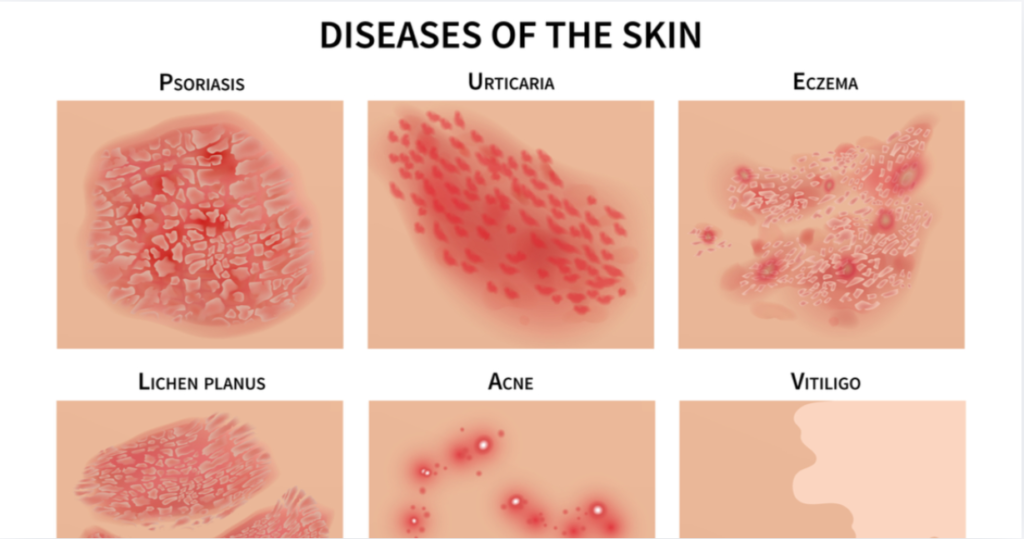
Featured Snippet: What are common skin disorders?
Common skin disorders include eczema, acne, psoriasis, fungal infections, dermatitis, and allergic reactions, often caused by inflammation, infection, or environmental triggers.
1. Eczema (Atopic Dermatitis)
Eczema
Eczema is a long-term condition that causes dry, itchy, and inflamed skin.
Common symptoms
- Intense itching
- Dry patches
- Red or inflamed skin
- Flare-ups triggered by stress or allergens
Possible triggers
- Harsh soaps
- Allergens
- Weather changes
- Stress
2. Acne
Acne
Acne occurs when hair follicles become blocked with oil and dead skin cells.
Common symptoms
- Pimples
- Blackheads
- Whiteheads
- Oily skin
Contributing factors
- Hormonal changes
- Excess sebum production
- Bacterial growth
- Diet and stress
3. Psoriasis
Psoriasis
Psoriasis is an immune-related condition that causes rapid skin cell turnover.
Symptoms
- Thick, scaly patches
- Red, inflamed areas
- Itching or burning sensation
Common locations
- Elbows
- Knees
- Scalp
4. Fungal Infections
Fungal infections affect skin, nails, and sometimes hair.
Examples
- Athlete’s foot
- Ringworm
- Nail fungus
Symptoms
- Itching
- Redness
- Peeling skin
- Discoloration of nails
5. Allergic Skin Reactions
Skin can react to allergens in the environment or products.
Common triggers
- Cosmetics
- Nickel or metals
- Foods (in some cases)
- Plants (e.g., poison ivy)
Symptoms
- Rash
- Swelling
- Redness
- Itching
6. Rosacea
Rosacea
Rosacea mainly affects the face and may worsen over time if untreated.
Symptoms
- Facial redness
- Visible blood vessels
- Flushing
- Small red bumps
7. Dry Skin (Xerosis)
Dry skin is a common condition influenced by environment and hydration.
Causes
- Cold weather
- Low humidity
- Aging
- Harsh skincare products
Symptoms
- Tightness
- Flaking
- Itching
- Rough texture
8. Fungal and Bacterial Infections
Skin infections may develop when microorganisms overgrow or enter broken skin.
Warning signs
- Pus or discharge
- Increasing redness
- Warmth around affected area
- Pain or swelling
When Skin Changes May Signal Internal Issues
Some skin changes may reflect deeper health conditions.
Examples include
- Yellowing of skin (liver issues)
- Dark patches (hormonal changes)
- Slow-healing wounds (blood sugar issues)
Related condition
Diabetes mellitus
Featured Snippet: Can skin changes indicate internal disease?
Yes, certain skin changes such as slow healing, discoloration, or persistent rashes may sometimes reflect underlying systemic conditions.
Supporting Healthy Skin
1. Gentle skincare routine
- Use mild cleansers
- Avoid harsh chemicals
- Moisturize regularly
2. Balanced nutrition
Support skin health with:
- Vitamins A, C, E
- Omega-3 fatty acids
- Zinc
3. Hydration
Water helps maintain skin elasticity and function.
4. Sun protection
Protect skin from UV damage using sunscreen and protective clothing.
5. Stress management
Stress may worsen inflammatory skin conditions.
Related concept
Inflammation
When to See a Doctor
Seek medical evaluation if you notice:
- Persistent or worsening rash
- Severe itching or pain
- Signs of infection
- Skin changes that do not heal
Internal Linking Opportunities
This topic connects well with:
- Immune system and inflammation
- Gut-skin axis and microbiome
- Diabetes and wound healing
- Allergy responses
- Hormonal balance and skin health
Conclusion
Skin disorders are common and can result from inflammation, infection, allergies, genetics, or environmental factors. While many conditions are mild and manageable, some may indicate deeper health issues.
Understanding symptoms and maintaining a healthy lifestyle can help support clearer, stronger, and more resilient skin.
Important Disclaimer: This article is for educational purposes only and should not replace professional medical advice. Persistent or severe skin conditions should be evaluated by a qualified healthcare professional.