Meta Description: Explore the causes of oral infections, common symptoms, and why treatment should be tailored to the specific condition, patient factors, and underlying cause.
Oral infections are among the most common health problems worldwide, affecting the teeth, gums, tongue, salivary glands, and surrounding tissues. While many people assume that all mouth infections require the same treatment, effective management depends on identifying the exact cause and choosing the most appropriate approach.
Because oral infections can arise from bacteria, viruses, fungi, trauma, or underlying medical conditions, treatment must be individualized rather than using a one-size-fits-all strategy.
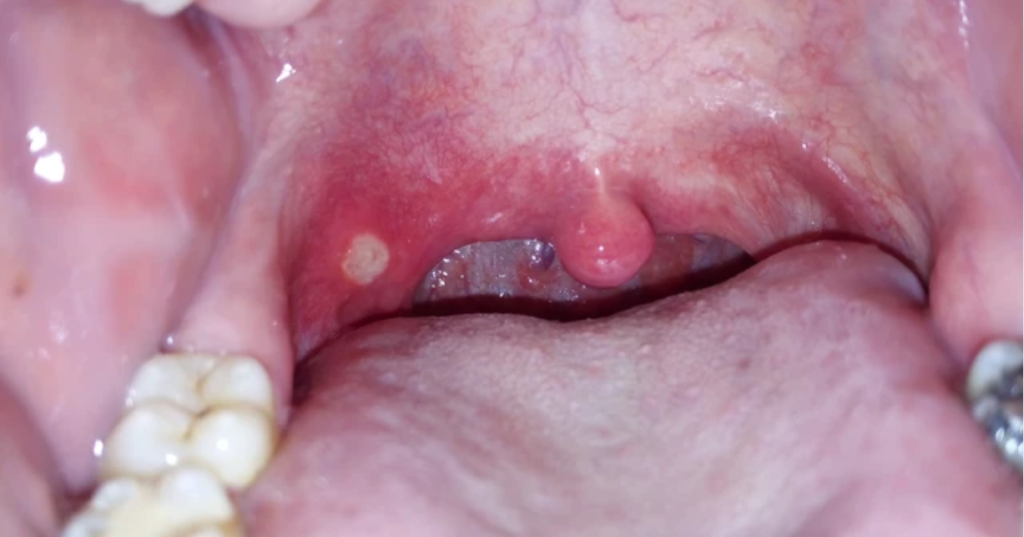
Featured Snippet: Why must oral infection treatment be individualized?
Oral infections have different causes, severity levels, and patient-specific factors. Effective treatment depends on identifying the underlying cause and selecting the most appropriate therapy.
What Is an Oral Infection?
An oral infection occurs when harmful microorganisms or inflammatory processes affect structures within the mouth.
Commonly affected areas
- Teeth
- Gums
- Tongue
- Cheeks
- Salivary glands
- Jaw tissues
Common Types of Oral Infections
1. Dental Abscess
Dental abscess
A dental abscess develops when bacteria invade the tooth or surrounding tissues.
Symptoms
- Severe tooth pain
- Facial swelling
- Sensitivity to hot or cold
- Bad taste in the mouth
2. Gum Infections
Periodontitis
Gum infections can range from mild inflammation to advanced periodontal disease.
Symptoms
- Bleeding gums
- Swelling
- Gum recession
- Persistent bad breath
3. Oral Thrush
Oral candidiasis
A fungal infection that commonly causes white patches inside the mouth.
Risk factors
- Antibiotic use
- Diabetes
- Reduced immunity
- Denture use
4. Viral Oral Infections
Several viruses can affect the oral cavity.
Examples
- Herpes simplex infection
- Hand, foot, and mouth disease
Why One Treatment Does Not Fit All
Different organisms require different treatments
Bacterial infections
May require:
- Drainage procedures
- Dental treatment
- Antibiotics when appropriate
Fungal infections
Require antifungal medications rather than antibiotics.
Viral infections
Often require supportive care or antiviral therapy in selected cases.
Featured Snippet: Do all oral infections need antibiotics?
No. Antibiotics are only effective against bacterial infections and are not useful for fungal or viral infections.
Factors That Influence Treatment Decisions
1. Source of infection
Identifying the origin is essential.
Examples include:
- Tooth decay
- Gum disease
- Salivary gland infection
- Trauma
2. Severity
Treatment depends on:
- Extent of swelling
- Pain level
- Spread of infection
- Presence of fever
3. Patient Health Status
Certain individuals may require special consideration.
Higher-risk groups
- Older adults
- Pregnant individuals
- People with diabetes
- Immunocompromised patients
Related condition
Diabetes mellitus
Warning Signs That Require Prompt Evaluation
Seek urgent dental or medical care if you experience:
- Rapidly increasing facial swelling
- Difficulty swallowing
- Difficulty breathing
- High fever
- Severe pain
- Inability to open the mouth normally
Related complication
Cellulitis
Prevention of Oral Infections
Daily habits that help reduce risk
Good oral hygiene
- Brush twice daily
- Floss regularly
- Clean the tongue
Regular dental examinations
Help identify problems before complications develop.
Balanced nutrition
Supports immune and oral health.
Avoid tobacco products
Smoking increases the risk of gum disease and delayed healing.
Potential Complications of Untreated Oral Infections
If left untreated, oral infections may lead to:
- Tooth loss
- Bone damage
- Spread of infection
- Chronic pain
- Difficulty eating and speaking
The Importance of Professional Diagnosis
Symptoms of oral infections often overlap.
For example:
- Tooth pain may result from infection, trauma, or nerve inflammation.
- White patches may be fungal, inflammatory, or unrelated to infection.
Accurate diagnosis ensures appropriate treatment and avoids unnecessary medication use.
Internal Linking Opportunities
This topic connects well with:
- Antibiotic stewardship and responsible use
- Gum disease and oral health
- Diabetes and infection risk
- Oral hygiene best practices
- Dental abscess management
Conclusion
Oral infections can arise from a variety of causes, including bacteria, fungi, viruses, and inflammatory conditions. Because each type of infection has unique characteristics and treatment requirements, individualized care is essential.
Early diagnosis, proper oral hygiene, and professional evaluation can help prevent complications and support long-term oral health.
Important Disclaimer: This article is for educational purposes only and should not replace professional dental or medical advice. Persistent oral pain, swelling, fever, or signs of infection should be evaluated by a qualified healthcare professional.