Meta Description: Learn the early warning signs of blood cancer, including leukemia, lymphoma, and myeloma, and understand when symptoms may require urgent medical evaluation.
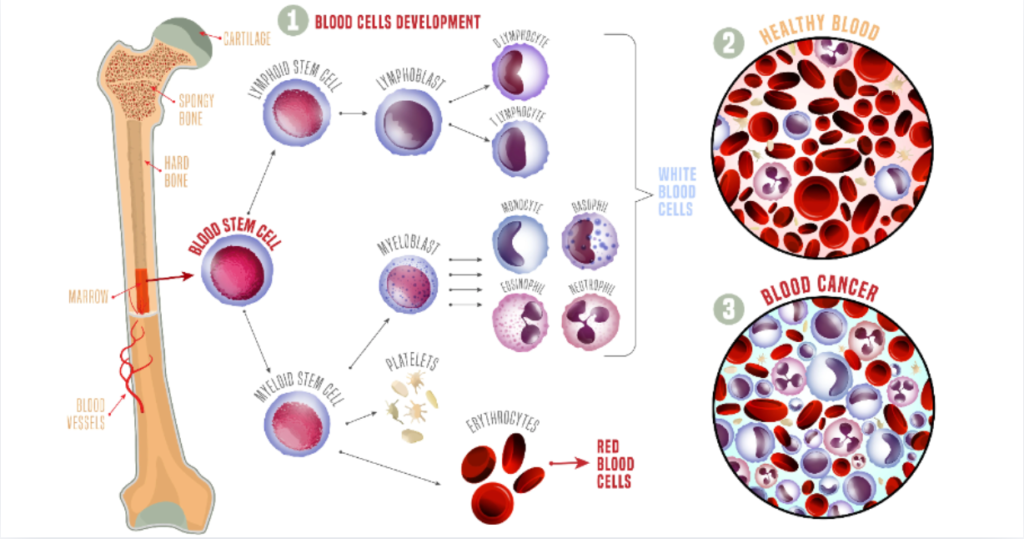
Blood cancer refers to cancers that begin in the blood-forming tissues, including the bone marrow and lymphatic system. The most common types include leukemia, lymphoma, and multiple myeloma.
Because early symptoms can be subtle and resemble common illnesses, awareness of warning signs is essential for timely diagnosis and treatment.
Featured Snippet: What are the symptoms of blood cancer?
Common symptoms of blood cancer include persistent fatigue, unexplained weight loss, frequent infections, easy bruising or bleeding, swollen lymph nodes, night sweats, and persistent fever.
Types of Blood Cancer
1. Leukemia
Leukemia
- Affects bone marrow and blood
- Leads to abnormal white blood cells
- Interferes with normal blood cell production
2. Lymphoma
Lymphoma
- Includes Hodgkin and non-Hodgkin types
- Affects lymph nodes and immune function
3. Multiple Myeloma
Multiple myeloma
- Affects antibody-producing cells
- Impacts bone health and immune defense
Early Warning Signs You Should Never Ignore
1. Persistent fatigue
One of the most common early symptoms.
Why it happens
Cancer affects normal blood cell production, reducing oxygen delivery and energy levels.
2. Frequent infections
Weakened immune function may lead to repeated infections.
3. Unexplained weight loss
Sudden or unintentional weight loss can be a warning sign.
Featured Snippet: Why does blood cancer cause fatigue?
Blood cancers disrupt normal red blood cell production, reducing oxygen transport in the body and leading to persistent fatigue.
4. Easy bruising or bleeding
- Frequent nosebleeds
- Bleeding gums
- Small red or purple skin spots (petechiae)
5. Swollen lymph nodes
Painless swelling in areas such as:
- Neck
- Armpits
- Groin
6. Night sweats and fever
- Drenching night sweats
- Persistent low-grade fever
7. Bone or joint pain
Especially common in multiple myeloma due to bone involvement.
8. Pale skin and anemia
Reduced red blood cell production may lead to visible paleness.
Related condition
Anemia
Why Early Detection Matters
Early diagnosis can:
- Improve treatment effectiveness
- Slow disease progression
- Increase survival rates
- Reduce complications
Risk Factors for Blood Cancer
Non-modifiable factors
- Age
- Genetic predisposition
- Family history
Environmental factors
- Exposure to radiation
- Certain chemicals (e.g., benzene)
- Previous chemotherapy or radiation therapy
Related concept
Hematopoiesis
How Blood Cancer Is Diagnosed
Common diagnostic tools
- Complete blood count (CBC)
- Blood smear examination
- Bone marrow biopsy
- Imaging studies (CT, PET scans)
- Genetic and molecular testing
Related procedure
Bone marrow biopsy
When to See a Doctor
Seek medical attention if you experience:
- Persistent fatigue lasting weeks
- Unexplained bruising or bleeding
- Recurrent infections
- Swollen lymph nodes that do not go away
- Ongoing fever or night sweats
Common Misconceptions
Myth: Blood cancer always develops rapidly
Some types progress slowly and may show mild symptoms for months or years.
Myth: All fatigue means cancer
Fatigue has many causes, and blood cancer is only one possibility.
Myth: Swollen lymph nodes always mean cancer
Most lymph node swelling is caused by infections, not cancer.
Internal Linking Opportunities
This topic connects well with:
- Anemia and iron deficiency
- Immune system disorders
- Cancer diagnostics and screening
- Fatigue and chronic illness
- Lymphatic system health
Conclusion
Blood cancer includes several serious conditions that affect the blood, bone marrow, and lymphatic system. Early symptoms are often subtle but may include persistent fatigue, frequent infections, unexplained weight loss, and abnormal bleeding.
Recognizing these warning signs and seeking timely medical evaluation can significantly improve outcomes through earlier diagnosis and treatment.
Important Disclaimer: This article is for educational purposes only and should not replace professional medical advice. Anyone experiencing persistent or concerning symptoms should consult a qualified healthcare professional promptly.