Meta Description: Discover how pistachios may support sleep quality, their natural melatonin content, and the science behind nuts as a sleep-friendly snack.
Sleep quality is influenced by many factors, including stress, lifestyle, and nutrition. Certain foods contain compounds that may support the body’s natural sleep-wake cycle, including melatonin, magnesium, and tryptophan.
Among nuts, pistachios have gained attention for their naturally occurring melatonin content, which may play a role in supporting restful sleep.
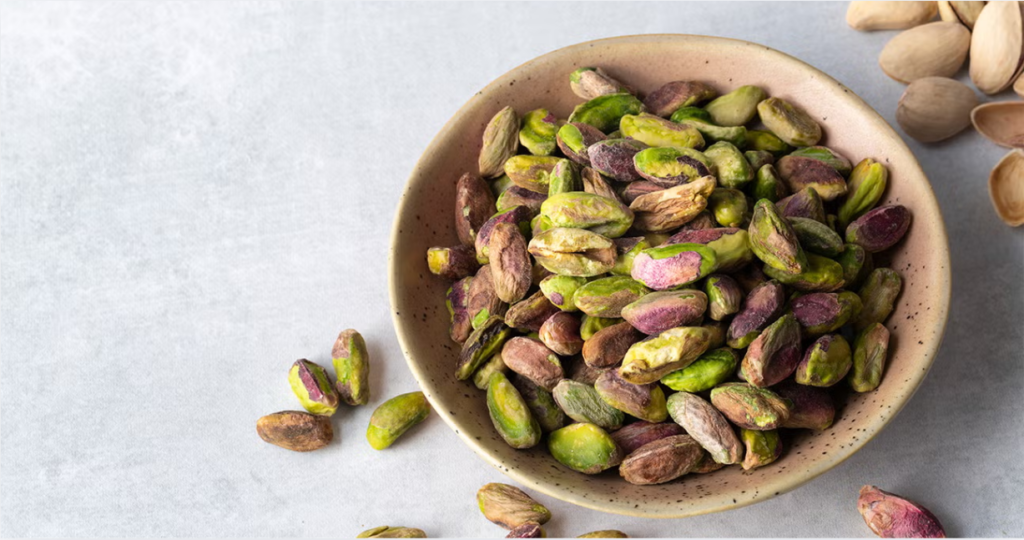
Featured Snippet: Do pistachios help you sleep?
Pistachios may support sleep because they contain natural melatonin, magnesium, and healthy fats that can help regulate the sleep-wake cycle and promote relaxation.
What Makes Pistachios Interesting for Sleep?
Pistachio contains several nutrients linked to sleep regulation:
- Melatonin (sleep hormone)
- Magnesium
- Vitamin B6
- Healthy fats
1. Natural Melatonin Content
Melatonin is a hormone that helps regulate circadian rhythm.
How it works
- Signals the body that it is time to sleep
- Helps regulate sleep-wake cycles
- Influences sleep onset and quality
Some studies suggest pistachios contain one of the higher melatonin levels among plant foods.
Featured Snippet: Do pistachios contain melatonin?
Yes, pistachios naturally contain melatonin, a hormone that helps regulate sleep cycles and may support better sleep quality.
2. Magnesium and Relaxation
Magnesium plays a role in nervous system regulation.
Potential benefits
- Supports muscle relaxation
- Helps calm nervous system activity
- May reduce nighttime restlessness
3. Vitamin B6 and Neurotransmitters
Vitamin B6 helps the body produce:
- Serotonin (mood regulation)
- Melatonin (sleep hormone precursor)
This connection supports the sleep cycle indirectly.
4. Healthy Fats and Satiety
Pistachios contain healthy fats and protein that:
- Help stabilize blood sugar
- Prevent nighttime hunger
- Support steady energy balance
Can Pistachios Actually Improve Sleep?
Research is still emerging, but pistachios may support sleep indirectly by:
- Providing melatonin
- Supporting relaxation nutrients
- Stabilizing metabolic signals overnight
However, they are not a treatment for insomnia or sleep disorders.
Featured Snippet: Are pistachios good before bed?
Pistachios may be a good evening snack in moderation because they contain melatonin, magnesium, and nutrients that support relaxation and sleep regulation.
How to Eat Pistachios for Sleep Support
Suggested timing
- 1–2 hours before bedtime
Portion size
- A small handful (about 30–40 grams)
Best combinations
- With yogurt
- With warm milk
- With a light fruit snack
Other Sleep-Friendly Foods
Several foods may also support sleep:
- Bananas (magnesium and potassium)
- Oats (melatonin precursors)
- Almonds (magnesium)
- Cherries (natural melatonin)
- Herbal teas (chamomile, valerian)
When Pistachios May Not Help Sleep
1. Excess consumption
Large amounts may:
- Cause digestive discomfort
- Increase calorie intake
2. Salted varieties
High sodium intake may affect hydration and sleep quality.
3. Individual sensitivity
Some people may experience mild stimulation instead of relaxation.
Lifestyle Factors That Matter More Than Food
Even sleep-supportive foods are only part of the picture.
Key sleep foundations
- Regular sleep schedule
- Reduced screen exposure before bed
- Stress management
- Comfortable sleep environment
Featured Snippet: What is the best natural food for sleep?
Foods that support sleep include those rich in melatonin, magnesium, and tryptophan, such as pistachios, cherries, bananas, oats, and almonds.
Internal Linking Opportunities
This topic connects well with:
- Melatonin and circadian rhythm biology
- Nutrition and neurotransmitters
- Stress and cortisol regulation
- Magnesium and muscle relaxation
- Sleep hygiene and behavioral health
Conclusion
Pistachios may support sleep quality thanks to their natural melatonin, magnesium, and vitamin B6 content. While they are not a cure for sleep disorders, they can be a helpful part of a balanced evening routine when consumed in moderation.
Good sleep still depends primarily on consistent habits, stress management, and overall lifestyle balance.
Important Disclaimer: This article is for educational purposes only and should not replace professional medical advice. Individuals with sleep disorders should consult a qualified healthcare provider for proper evaluation and treatment.