Meta Description: Learn why blood clots form using Virchow’s Triad. Understand the three main causes of thrombosis, risk factors, and how to reduce clot formation.
Blood clotting is a vital process that helps your body stop bleeding after an injury. But when clots form inside blood vessels without a clear reason, they can become dangerous and even life-threatening. To understand why blood clots form, medical science relies on a classic concept called Virchow’s Triad.
This model explains the three main conditions that lead to abnormal clot formation in the body. By understanding it, you can better grasp conditions like deep vein thrombosis (DVT), stroke, and pulmonary embolism—and how to reduce your risk.
In this article, we’ll break down Virchow’s Triad in a simple, practical way so you can clearly understand how and why blood clots develop.
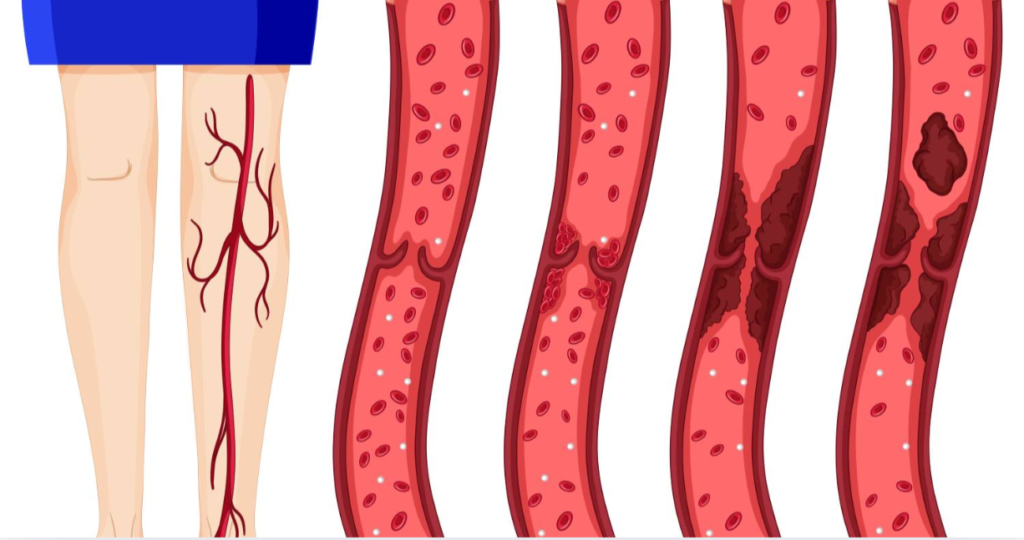
What Are Blood Clots and Why Do They Matter?
A blood clot (or thrombus) is a gel-like mass formed by platelets and fibrin in the blood. Normally, this is a protective mechanism.
When blood clots are helpful
Clotting helps:
- Stop bleeding from injuries
- Repair damaged blood vessels
- Prevent excessive blood loss
When blood clots become dangerous
Problems occur when clots form:
- Without injury
- Inside deep veins or arteries
- In areas where they block blood flow
These abnormal clots can lead to serious conditions like:
- Deep vein thrombosis (DVT)
- Pulmonary embolism (PE)
- Stroke
- Heart attack
Featured Snippet: What is Virchow’s Triad?
Virchow’s Triad explains that blood clots form due to three main factors: slowed blood flow (stasis), damage to blood vessels (endothelial injury), and increased tendency of blood to clot (hypercoagulability).
Virchow’s Triad: The Three Main Causes of Blood Clots
The concept of Virchow’s Triad was developed in the 19th century by German physician Rudolf Virchow. It remains a cornerstone in understanding thrombosis today.
The three factors are:
- Blood flow abnormalities (stasis)
- Blood vessel injury (endothelial damage)
- Blood clotting tendency (hypercoagulability)
Let’s break each one down.
1. Blood Flow Abnormalities (Stasis)
When blood flow slows down or becomes stagnant, clots are more likely to form.
Why slow blood flow causes clots
Normal blood flow helps:
- Prevent clotting factors from accumulating
- Keep platelets moving
- Maintain healthy circulation
When flow slows, clotting substances can build up in one area.
Common causes of stasis
- Long periods of immobility (bed rest, long flights)
- Sedentary lifestyle
- Heart failure
- Varicose veins
Example in real life
Sitting for hours during a long flight can slow blood flow in the legs, increasing the risk of deep vein thrombosis.
2. Blood Vessel Injury (Endothelial Damage)
The inside lining of blood vessels (endothelium) plays a crucial role in preventing unwanted clotting.
How vessel damage triggers clots
When the vessel lining is injured:
- Platelets become activated
- Clotting proteins are exposed
- A clot begins to form at the injury site
Causes of endothelial injury
- Surgery or trauma
- Smoking
- High blood pressure
- Chronic inflammation
- Medical procedures (catheters, IV lines)
Why this matters
Even small damage inside arteries or veins can trigger clot formation if combined with other risk factors.
3. Blood Clotting Tendency (Hypercoagulability)
This refers to blood that is more likely than normal to form clots.
What increases clotting tendency?
Several conditions can make blood “stickier”:
- Genetic clotting disorders
- Cancer
- Pregnancy
- Hormonal therapy (like birth control pills)
- Severe dehydration
Lifestyle-related factors
- Obesity
- Smoking
- Poor diet
- Lack of physical activity
Why hypercoagulability is dangerous
When blood is too prone to clotting, even minor triggers can lead to serious thrombosis.
How the Three Factors Work Together
Virchow’s Triad is most powerful when two or more factors occur at the same time.
Example scenario
A person who:
- Has surgery (vessel injury)
- Stays in bed for long periods (stasis)
- Is dehydrated or has a clotting condition (hypercoagulability)
→ has a much higher risk of blood clots.
How to Reduce the Risk of Blood Clots
Understanding why blood clots form helps you take preventive steps.
Stay physically active
Movement improves circulation:
- Walk regularly
- Stretch during long sitting periods
- Avoid prolonged immobility
Stay hydrated
Water helps:
- Keep blood flow smooth
- Prevent thickening of blood
Manage risk factors
- Control blood pressure
- Maintain healthy weight
- Avoid smoking
Follow medical guidance
If you are at high risk, doctors may recommend:
- Blood-thinning medications
- Compression stockings
- Post-surgical preventive care
Common Conditions Linked to Blood Clots
Virchow’s Triad helps explain several medical conditions:
Deep vein thrombosis (DVT)
- Clots in deep veins, usually legs
- Can cause swelling and pain
Pulmonary embolism (PE)
- Clot travels to lungs
- Can be life-threatening
Stroke and heart attack
- Arterial clots block blood flow to brain or heart
Internal Linking Opportunities
This topic connects well with other health concepts such as:
- Blood circulation and cardiovascular health
- Inflammation and vascular disease
- Risk factors for heart disease
- Healthy lifestyle for circulation improvement
- Natural blood-thinning nutrition
Conclusion
Understanding why blood clots form: Virchow’s Triad explained gives you a clear view of how circulation, vessel health, and blood chemistry interact. When blood flow slows, vessels are damaged, or clotting becomes excessive, the risk of thrombosis increases.
The good news is that many of these factors can be influenced by lifestyle choices—like staying active, hydrated, and managing health conditions.
By learning how your body works, you gain the power to take preventive steps and support long-term cardiovascular health. Small daily habits can make a big difference in keeping your blood flowing smoothly and safely.