Meta Description: Learn about Hepatitis A, including its causes, symptoms, warning signs, diagnosis, and prevention strategies to protect liver health.
Hepatitis A is a contagious liver infection caused by the hepatitis A virus (HAV). Unlike some other forms of hepatitis, Hepatitis A does not usually cause chronic liver disease, but it can lead to significant illness and temporary liver inflammation.
The infection is commonly spread through contaminated food, water, or close contact with an infected person.
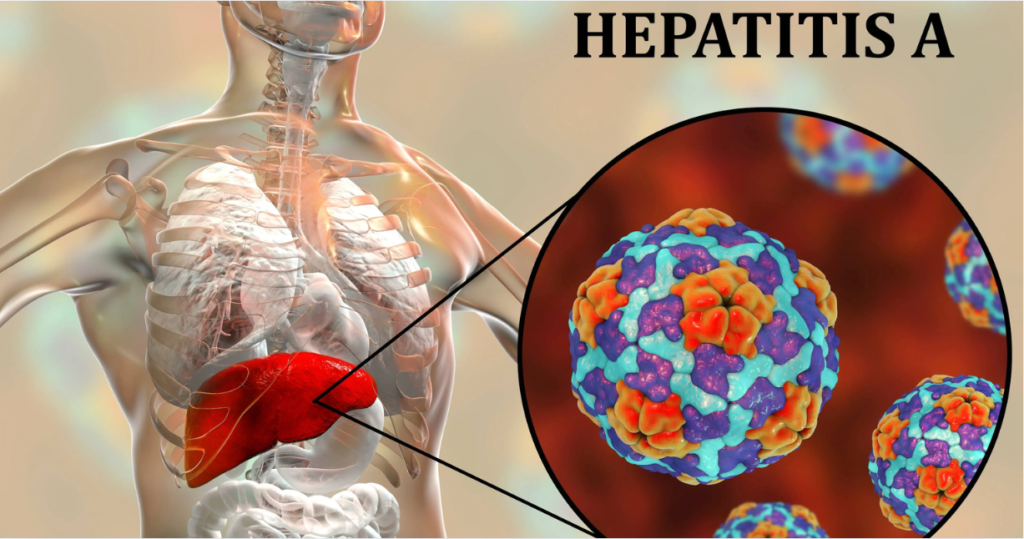
Featured Snippet: What is Hepatitis A?
Hepatitis A is a viral infection that affects the liver and is typically transmitted through contaminated food, water, or person-to-person contact.
What Causes Hepatitis A?
Hepatitis A develops after exposure to the hepatitis A virus.
Common transmission routes
- Contaminated food
- Contaminated drinking water
- Poor hand hygiene
- Close personal contact with an infected individual
Risk factors
- Travel to areas with higher infection rates
- Consumption of contaminated food or water
- Living in crowded environments
- Poor sanitation conditions
Early Symptoms of Hepatitis A
Symptoms may appear several weeks after exposure.
Common early signs
- Fatigue
- Fever
- Loss of appetite
- Nausea
- Vomiting
- General malaise
Featured Snippet: What are the first signs of Hepatitis A?
Early symptoms of Hepatitis A often include fatigue, fever, nausea, loss of appetite, and general feelings of illness.
Liver-Related Symptoms
As liver inflammation progresses, more specific symptoms may develop.
Common indicators
- Abdominal discomfort, especially on the right side
- Dark urine
- Pale or clay-colored stools
- Jaundice (yellowing of the skin and eyes)
Related condition
Jaundice
Why Jaundice Occurs
When the liver becomes inflamed, it may have difficulty processing bilirubin.
Result
Bilirubin accumulates in the bloodstream, leading to:
- Yellow skin
- Yellow eyes
- Dark urine
Featured Snippet: Does Hepatitis A cause jaundice?
Yes, Hepatitis A can cause jaundice when liver inflammation interferes with the normal processing of bilirubin.
Additional Symptoms
Some individuals may also experience:
- Joint pain
- Itchy skin
- Mild weight loss
- Diarrhea
- Muscle aches
Who Is Most at Risk?
Higher-risk groups include:
- Travelers to endemic regions
- Individuals exposed to contaminated food or water
- People living in areas with poor sanitation
- Close contacts of infected individuals
How Hepatitis A Is Diagnosed
Healthcare providers use a combination of clinical evaluation and laboratory testing.
Blood tests may include
- Liver enzyme levels (ALT and AST)
- Bilirubin levels
- Hepatitis A antibody testing
Purpose
These tests help confirm infection and assess liver inflammation.
Featured Snippet: How is Hepatitis A diagnosed?
Hepatitis A is diagnosed through blood tests that detect hepatitis A antibodies and evaluate liver function.
Treatment and Recovery
There is no specific antiviral treatment for Hepatitis A.
Supportive care focuses on
- Rest
- Adequate hydration
- Balanced nutrition
- Avoiding alcohol during recovery
Recovery outlook
Most people recover completely within several weeks to months.
Prevention Strategies
1. Vaccination
Vaccination is one of the most effective ways to prevent Hepatitis A.
2. Proper Hand Hygiene
Wash hands thoroughly:
- After using the bathroom
- Before preparing food
- Before eating
3. Safe Food and Water Practices
Especially important when traveling.
Recommendations
- Drink safe water
- Eat properly cooked foods
- Wash fruits and vegetables
Featured Snippet: Can Hepatitis A be prevented?
Yes, Hepatitis A can often be prevented through vaccination, proper hand hygiene, and safe food and water practices.
Potential Complications
Most individuals recover fully, but complications can occasionally occur, especially in older adults or those with existing liver disease.
Possible complications
- Prolonged liver inflammation
- Severe liver dysfunction (rare)
- Extended recovery periods
Internal Linking Opportunities
This topic connects well with:
- Liver function and bilirubin metabolism
- Jaundice and liver disorders
- Foodborne illnesses
- Viral infections and immunity
- Digestive and liver health
Conclusion
Hepatitis A is a contagious viral liver infection that commonly spreads through contaminated food, water, or close contact. Early symptoms often resemble a flu-like illness before more specific liver-related signs such as jaundice appear.
Awareness of symptoms, prompt diagnosis, vaccination, and proper hygiene practices remain the most effective tools for prevention and recovery.
Important Disclaimer: This article is for educational purposes only and should not replace professional medical advice. Individuals with symptoms suggestive of hepatitis should seek evaluation from a qualified healthcare professional.