Meta Description: Learn about median nerve compression, including carpal tunnel syndrome symptoms, causes, diagnosis, and effective treatment options for relieving hand and wrist pain.
Carpal tunnel syndrome is the most common form of median nerve compression. It occurs when pressure is placed on the median nerve as it travels through a narrow passage in the wrist called the carpal tunnel.
This condition can affect daily activities such as writing, typing, gripping objects, and sleeping comfortably if not managed early.
Featured Snippet: What are the symptoms of median nerve compression?
Early symptoms include numbness, tingling, burning pain in the thumb, index, and middle fingers, weakness in grip strength, and worsening discomfort at night.
Understanding the Median Nerve
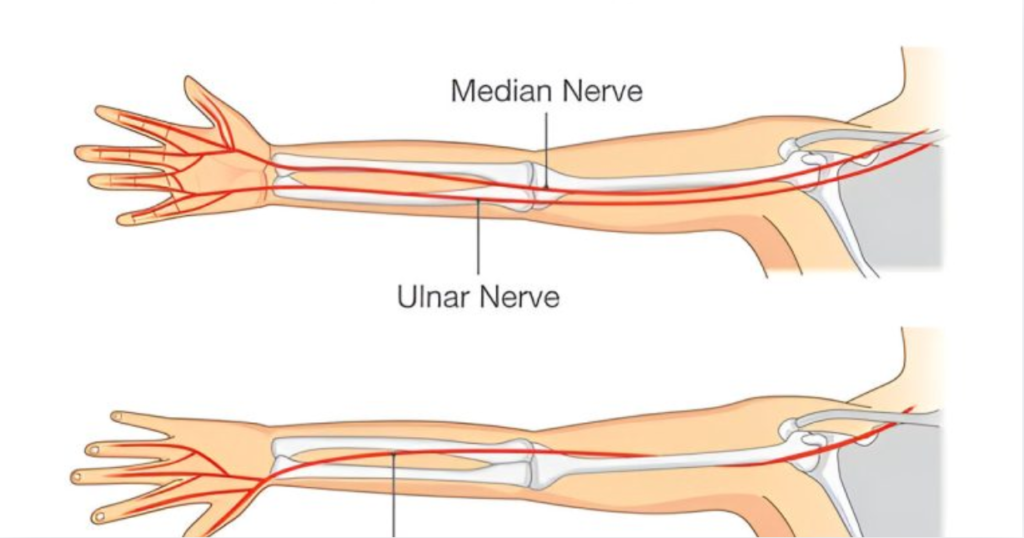
The median nerve is responsible for both sensation and movement in parts of the hand.
It controls:
- Thumb movement
- Index and middle finger sensation
- Fine motor skills like pinching and gripping
Related structure
Median nerve
Causes of Median Nerve Compression
Compression usually occurs when pressure builds inside the carpal tunnel due to:
- Repetitive hand movements
- Wrist overuse (typing, assembly work)
- Wrist injuries
- Fluid retention
- Inflammatory conditions
Related structure
Carpal tunnel
Early Signs and Symptoms
1. Tingling or “pins and needles” sensation
Commonly affects:
- Thumb
- Index finger
- Middle finger
2. Numbness in the hand
Often worse at night or early morning.
3. Hand weakness
Difficulty with:
- Gripping objects
- Holding small items
- Buttoning clothes
4. Night-time pain
Symptoms often worsen during sleep due to wrist positioning.
5. Burning or shooting pain
Pain may radiate from the wrist up the arm.
Risk Factors
You may be more likely to develop median nerve compression if you:
- Perform repetitive wrist motions
- Use vibrating tools frequently
- Are pregnant
- Have diabetes
- Have thyroid disorders
Related condition
Diabetes mellitus
How It Is Diagnosed
Healthcare providers may use:
- Physical examination tests
- Nerve conduction studies
- Electromyography (EMG)
- Symptom history evaluation
Treatment Options
1. Lifestyle and activity modification
- Reduce repetitive wrist movements
- Take frequent breaks
- Adjust ergonomics
2. Wrist splinting
Wearing a wrist brace—especially at night—helps keep the wrist in a neutral position.
3. Medications
- Anti-inflammatory drugs
- Corticosteroid injections (in some cases)
4. Physical therapy
Exercises may help:
- Improve nerve mobility
- Reduce pressure
- Strengthen surrounding muscles
5. Surgery (severe cases)
Carpal tunnel release surgery may be recommended when symptoms persist or worsen.
Featured Snippet: Can carpal tunnel syndrome go away on its own?
Mild cases may improve with rest, wrist splints, and lifestyle changes, but moderate to severe cases often require medical treatment to prevent permanent nerve damage.
Possible Complications if Untreated
- Permanent nerve damage
- Chronic hand weakness
- Loss of fine motor control
- Persistent pain and numbness
Prevention Tips
1. Ergonomic workspace setup
Keep wrists neutral while typing or using a mouse.
2. Regular breaks
Stretch hands and wrists every 30–60 minutes.
3. Hand and wrist exercises
Gentle stretching improves flexibility and circulation.
4. Avoid prolonged wrist bending
Especially during sleep or repetitive tasks.
Related Concepts
- Repetitive strain injuries
- Peripheral neuropathy
- Upper limb nerve anatomy
- Workplace ergonomics
Conclusion
Median nerve compression, most commonly seen in carpal tunnel syndrome, develops gradually and can significantly affect hand function if ignored. Early recognition of symptoms such as tingling, numbness, and weakness is essential for effective management.
With timely lifestyle changes, ergonomic adjustments, and appropriate medical care, most people can significantly reduce symptoms and maintain hand function.
Important Disclaimer: This article is for educational purposes only and should not replace professional medical advice. Persistent hand pain, numbness, or weakness should be evaluated by a qualified healthcare professional.