Meta Description: Learn the early warning signs of clogged arteries (atherosclerosis), including chest pain, fatigue, and circulation changes, and understand when to seek medical care.
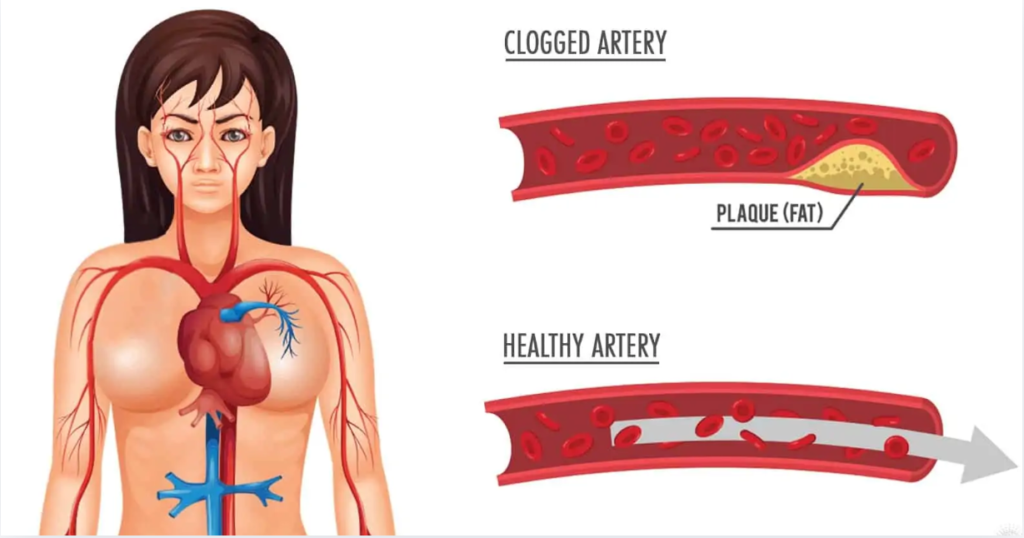
Atherosclerosis develops gradually over time and often remains silent until blood flow becomes significantly restricted. When arteries become narrowed or blocked, organs such as the heart, brain, and limbs may not receive enough oxygen-rich blood.
Early recognition of warning signs is essential because clogged arteries can lead to serious complications such as heart attack or stroke.
Featured Snippet: What are the early signs of clogged arteries?
Early signs may include chest pain, shortness of breath, fatigue, leg pain while walking, cold extremities, and dizziness—often indicating reduced blood flow due to narrowed arteries.
How Arteries Become Clogged
Arteries narrow when fatty deposits (plaque) build up along their walls. Over time, this can:
- Restrict blood flow
- Reduce oxygen delivery
- Increase blood pressure
- Raise risk of clot formation
Related concept
Blood circulation
1. Chest Pain or Pressure (Angina)
A classic warning sign when heart arteries are affected.
Symptoms may include:
- Tightness or pressure in the chest
- Pain radiating to arm, neck, or jaw
- Discomfort during physical activity
Related condition
Angina pectoris
2. Shortness of Breath
Reduced blood flow to the heart can make breathing feel difficult, especially during exertion.
3. Fatigue and Low Energy
When oxygen delivery is reduced, the body may feel unusually tired even after rest.
4. Leg Pain While Walking (Claudication)
Pain or cramping in the legs during movement may indicate poor circulation.
Related condition
Peripheral artery disease
5. Cold Hands or Feet
Reduced blood flow can cause extremities to feel unusually cold.
6. Dizziness or Lightheadedness
When the brain receives less oxygen-rich blood, symptoms may include:
- Dizziness
- Blurred vision
- Feeling faint
Related condition
Stroke
7. Slow-Healing Wounds
Poor circulation can delay healing, especially in the legs and feet.
8. Numbness or Weakness
Reduced blood flow may cause:
- Tingling sensations
- Weakness in limbs
- Reduced sensitivity
Risk Factors for Clogged Arteries
You are more at risk if you have:
- High cholesterol
- High blood pressure
- Smoking habits
- Diabetes
- Sedentary lifestyle
- Unhealthy diet
Related condition
Hypertension
What Happens If Left Untreated?
Clogged arteries can progress silently and lead to:
- Heart attack
- Stroke
- Kidney problems
- Limb ischemia
Featured Snippet: Can clogged arteries be reversed?
Early-stage artery plaque may be slowed or partially improved through lifestyle changes and medical treatment, but advanced atherosclerosis is usually managed rather than fully reversed.
Lifestyle Habits That Support Healthy Arteries
1. Heart-healthy diet
Focus on:
- Fruits and vegetables
- Whole grains
- Healthy fats (olive oil, nuts)
Related concept
LDL cholesterol
2. Regular physical activity
Exercise improves circulation and heart efficiency.
3. Avoid smoking
Smoking significantly damages blood vessels.
4. Manage stress
Chronic stress can negatively affect blood pressure and heart health.
When to Seek Emergency Help
Seek immediate care if you experience:
- Sudden chest pain
- Sudden weakness on one side of the body
- Difficulty speaking
- Severe shortness of breath
Common Myths About Clogged Arteries
Myth: It only affects older adults
It can begin developing early in life depending on lifestyle factors.
Myth: No symptoms means no risk
Atherosclerosis can progress silently for years.
Myth: Only medication matters
Lifestyle changes are essential alongside medical treatment.
Internal Linking Opportunities
This topic connects well with:
- Heart health and circulation
- Stroke prevention
- Cholesterol management
- Blood pressure control
- Lifestyle and nutrition for cardiovascular health
Conclusion
Clogged arteries often develop silently but can show early warning signs such as chest discomfort, fatigue, and circulation problems in the legs. Recognizing these symptoms early is crucial for preventing serious complications like heart attack and stroke.
Maintaining a healthy lifestyle—through diet, exercise, and risk factor control—remains one of the most effective ways to protect arterial health.
Important Disclaimer: This article is for educational purposes only and should not replace professional medical advice. Anyone experiencing symptoms suggestive of heart or circulation problems should seek immediate medical evaluation.