Meta Description: Learn the basics of common medical imaging and diagnostic tests, including X-rays, CT scans, MRI, ultrasound, blood tests, and their clinical uses.
Medical imaging and diagnostic tests help healthcare professionals evaluate organs, tissues, bones, and body functions. These tools are essential for detecting disease, guiding treatment, monitoring recovery, and supporting preventive care.
Understanding the purpose of common diagnostic methods can help patients feel more informed and prepared during medical evaluations.
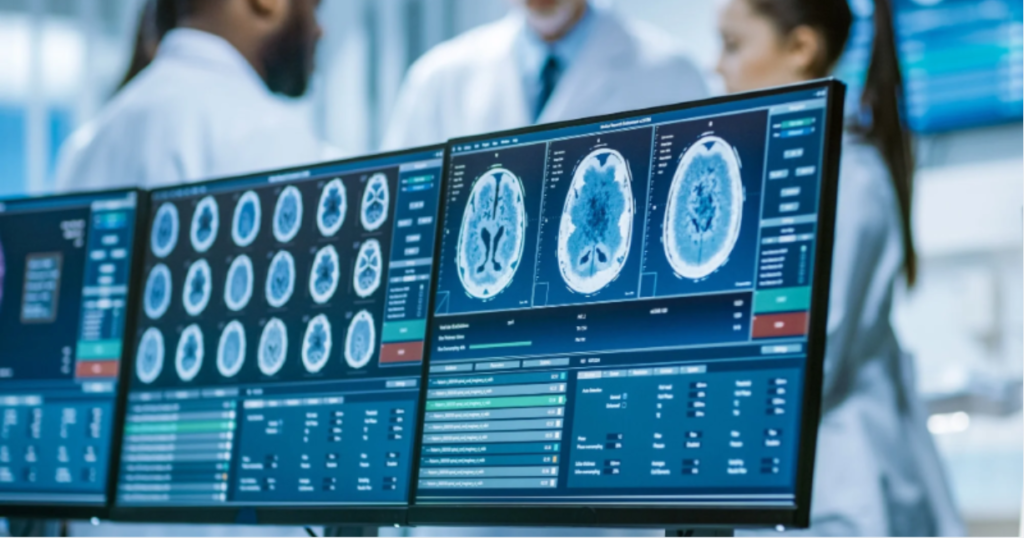
Featured Snippet: What are the main types of medical imaging?
The main types of medical imaging include X-rays, CT scans, MRI, ultrasound, and nuclear medicine scans, each used to visualize different body structures and conditions.
Why Medical Diagnostics Matter
Diagnostic testing helps healthcare providers:
- Detect disease early
- Confirm diagnoses
- Monitor treatment effectiveness
- Evaluate organ function
- Guide surgical or medical decisions
1. X-Ray Imaging
X-ray
X-rays are one of the oldest and most widely used imaging tools.
Common uses
- Bone fractures
- Chest imaging
- Dental evaluations
- Joint abnormalities
Advantages
- Fast
- Widely available
- Useful for bones and lungs
Limitations
- Limited soft tissue detail
- Uses low-dose radiation
2. Computed Tomography (CT Scan)
CT scan
CT scans combine multiple X-ray images to create detailed cross-sectional views.
Common uses
- Trauma assessment
- Internal bleeding
- Organ evaluation
- Cancer imaging
Advantages
- Highly detailed
- Rapid emergency evaluation
Limitations
- Higher radiation exposure than standard X-rays
Featured Snippet: What is a CT scan used for?
CT scans are used to evaluate injuries, tumors, infections, bleeding, and internal organs with detailed cross-sectional images.
3. Magnetic Resonance Imaging (MRI)
Magnetic resonance imaging
MRI uses magnetic fields instead of radiation.
Common uses
- Brain imaging
- Spinal disorders
- Joint and soft tissue injuries
- Neurological conditions
Advantages
- Excellent soft tissue detail
- No ionizing radiation
Limitations
- Longer scan times
- Not suitable for some implanted devices
4. Ultrasound Imaging
Ultrasound
Ultrasound creates images using high-frequency sound waves.
Common uses
- Pregnancy monitoring
- Gallbladder evaluation
- Blood flow assessment
- Abdominal imaging
Advantages
- No radiation
- Portable and safe
Limitations
- Limited by body size and gas interference
Featured Snippet: Is ultrasound safe?
Yes, ultrasound is generally considered safe because it uses sound waves rather than ionizing radiation.
5. Nuclear Medicine and PET Scans
These techniques use small amounts of radioactive tracers.
Common uses
- Cancer evaluation
- Heart function studies
- Bone metabolism imaging
Example
Positron emission tomography
6. Blood Tests and Laboratory Diagnostics
Imaging is often combined with laboratory testing.
Common blood tests include
- Complete blood count (CBC)
- Liver function tests
- Blood glucose
- Electrolytes
- Inflammatory markers
Purpose
- Detect infection
- Assess organ function
- Monitor chronic disease
7. Biopsy Procedures
A biopsy involves collecting tissue samples for microscopic examination.
Common reasons
- Cancer diagnosis
- Inflammatory disease evaluation
- Tissue abnormality investigation
Featured Snippet: What is a biopsy?
A biopsy is a medical procedure in which tissue is removed and examined under a microscope to help diagnose disease.
Understanding Contrast Agents
Some imaging tests use contrast materials to improve visibility.
Common contrast methods
- IV contrast in CT scans
- Gadolinium in MRI
- Oral contrast for digestive imaging
Important note
Patients should inform providers about allergies or kidney disease before contrast use.
Radiation and Safety
Not all imaging tests use radiation.
Uses radiation
- X-rays
- CT scans
- Nuclear medicine
Does not use radiation
- MRI
- Ultrasound
Healthcare providers aim to use the lowest necessary radiation dose.
Preparing for Diagnostic Tests
Preparation varies depending on the procedure.
Possible instructions
- Fasting
- Removing metal objects
- Drinking contrast solution
- Hydration before/after testing
When Diagnostics Become Clinically Important
Testing may be recommended for:
- Persistent pain
- Unexplained symptoms
- Injury evaluation
- Cancer screening
- Organ function monitoring
Internal Linking Opportunities
This topic connects well with:
- Blood biomarkers and laboratory medicine
- Cancer diagnostics and tumor markers
- Musculoskeletal imaging
- Cardiovascular and neurological evaluation
- Preventive screening and early detection
Conclusion
Medical imaging and diagnostics are essential tools for modern healthcare, helping providers visualize internal structures, detect disease, and guide treatment decisions. Each imaging modality offers unique strengths depending on the body system and clinical concern being evaluated.
Understanding these tests can help patients feel more informed, prepared, and engaged in their healthcare journey.
Important Disclaimer: This article is for educational purposes only and should not replace professional medical advice. Diagnostic testing decisions should always be made in consultation with qualified healthcare professionals.