Meta Description: Discover the vitality of water and how optimizing hydration improves health, energy, brain function, and physical performance with simple daily habits.
Water is often overlooked because it feels simple—but it is one of the most powerful elements for sustaining life and optimizing human performance. Every cell, tissue, and organ in your body depends on it. Without proper hydration, even basic functions like thinking, digestion, and circulation begin to slow down.
Understanding the vitality of water and optimizing hydration is essential for improving energy levels, mental clarity, physical performance, and long-term health. Small hydration habits can lead to noticeable improvements in how you feel every day.
In this article, you’ll learn why water is so essential, how hydration affects your body, and practical strategies to stay properly hydrated for better health and performance.
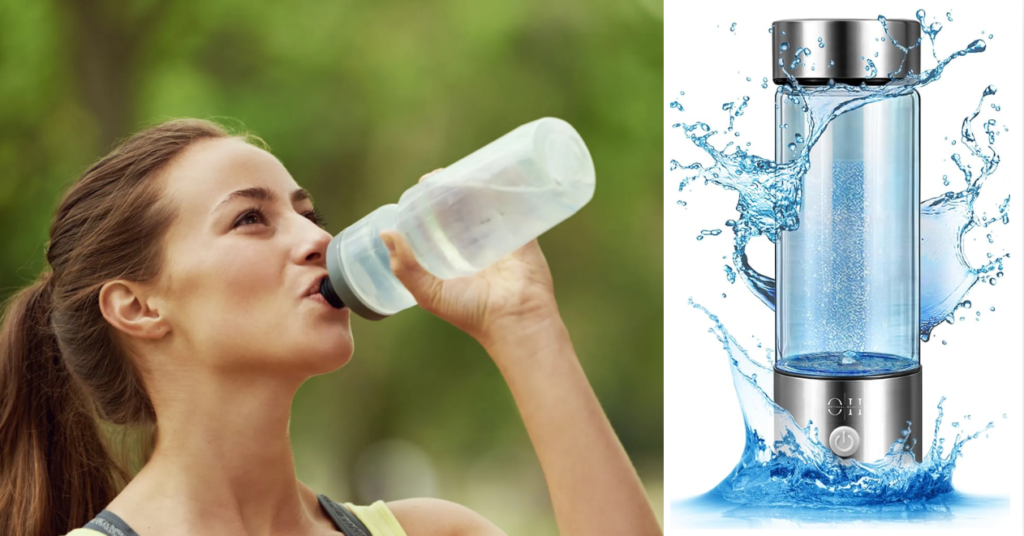
Why Water Is Essential for the Human Body
Water makes up about 60% of the adult human body, highlighting its critical role in survival and function.
Key roles of water in the body
- Regulates body temperature
- Supports nutrient transport
- Lubricates joints
- Aids digestion
- Removes waste and toxins
Why hydration is more than just drinking fluids
Proper hydration ensures that every biological system operates efficiently, from the brain to the muscles.
Featured Snippet: Why is water important for health and performance?
Water is essential for regulating body temperature, supporting brain function, improving energy levels, aiding digestion, and enhancing physical performance by maintaining cellular and metabolic balance.
How Hydration Affects Physical Performance
Even mild dehydration can significantly impact physical abilities.
1. Muscle function and endurance
Water helps muscles:
- Contract properly
- Maintain strength
- Delay fatigue
2. Temperature regulation during exercise
When you sweat, your body uses water to cool down.
Without enough fluids:
- Body temperature rises faster
- Risk of overheating increases
- Performance declines
3. Recovery after physical activity
Proper hydration supports:
- Faster muscle recovery
- Reduced soreness
- Improved nutrient delivery
Hydration and Brain Function
The brain is highly sensitive to hydration levels.
Effects of dehydration on cognition
Even slight fluid loss can cause:
- Brain fog
- Poor concentration
- Headaches
- Reduced alertness
Benefits of proper hydration
- Improved memory
- Better focus
- Faster decision-making
- Enhanced mood stability
Hydration and Digestive Health
Water plays a major role in digestion and gut function.
How water supports digestion
- Breaks down food
- Helps nutrient absorption
- Prevents constipation
- Supports gut motility
What happens when you don’t drink enough water
- Slower digestion
- Hard stools
- Bloating and discomfort
Hydration and Detoxification
Your body naturally removes waste through organs like the kidneys and liver.
Role of water in detox processes
Water helps:
- Flush toxins through urine
- Support kidney function
- Maintain liver efficiency
Step-by-Step: How to Optimize Daily Hydration
Step 1: Start your day with water
- Drink a glass of water after waking up
- Helps rehydrate after sleep
Step 2: Drink consistently, not occasionally
- Sip water throughout the day
- Avoid long periods without fluids
Step 3: Adjust intake based on activity
Increase hydration when:
- Exercising
- In hot climates
- Feeling fatigued
Step 4: Include water-rich foods
Examples include:
- Cucumbers
- Watermelon
- Oranges
- Lettuce
Advanced Hydration Strategies
1. Electrolyte balance
Water works best when balanced with electrolytes like:
- Sodium
- Potassium
- Magnesium
These help maintain fluid balance and nerve function.
2. Hydration timing for performance
- Before exercise: improves endurance
- During exercise: maintains energy
- After exercise: supports recovery
3. Monitoring hydration status
Signs of good hydration:
- Light-colored urine
- Stable energy levels
- Minimal thirst
Common Hydration Mistakes
Waiting until you feel thirsty
Thirst is a late sign of dehydration.
Overreliance on sugary drinks
These can:
- Disrupt metabolism
- Increase calorie intake
- Cause energy crashes
Ignoring hydration in cold weather
Dehydration can still occur even when you don’t feel sweaty.
Internal Linking Opportunities
This topic connects well with:
- Brain health and cognitive performance
- Detoxification and kidney function
- Nutrition for energy and metabolism
- Exercise recovery and muscle health
- Digestive system balance and gut health
Conclusion
Understanding the vitality of water and optimizing hydration is one of the simplest yet most powerful ways to improve overall health and performance. From supporting brain function and digestion to enhancing physical endurance and detoxification, water is essential for nearly every process in the body.
By building consistent hydration habits—drinking regularly, eating water-rich foods, and balancing electrolytes—you can significantly improve energy, focus, and well-being.
Small daily choices with water can lead to big improvements in how your body and mind function, helping you feel more alert, balanced, and energized throughout the day.