Meta Description: Learn about Kawasaki disease, its symptoms, causes, and early treatment options. Understand warning signs in children and why early care is essential.
Kawasaki disease is a rare but serious condition that mainly affects young children. It causes inflammation in the blood vessels throughout the body and can lead to heart complications if not treated early. While the exact cause is still unknown, early recognition and treatment can make a major difference in recovery.
Understanding Kawasaki disease symptoms, causes, and early treatment is essential for parents and caregivers. The earlier it is identified, the better the outcomes—especially in preventing long-term heart damage.
In this guide, you’ll learn what Kawasaki disease is, how to recognize it, what may trigger it, and how modern medicine effectively treats it.
What Is Kawasaki Disease?
Kawasaki disease is an inflammatory condition that affects medium-sized blood vessels, especially the coronary arteries that supply blood to the heart.
It is most common in:
- Children under 5 years old
- Boys slightly more than girls
- Children of Asian descent (higher risk observed)
Why it matters
Although most children recover fully with treatment, Kawasaki disease can:
- Weaken coronary arteries
- Cause aneurysms (artery swelling)
- Lead to long-term heart complications if untreated
Is it contagious?
No. Kawasaki disease is not contagious and cannot spread from person to person.
Symptoms of Kawasaki Disease
Recognizing symptoms early is critical for preventing complications.
Early warning signs
The illness often begins with a high fever lasting more than 5 days.
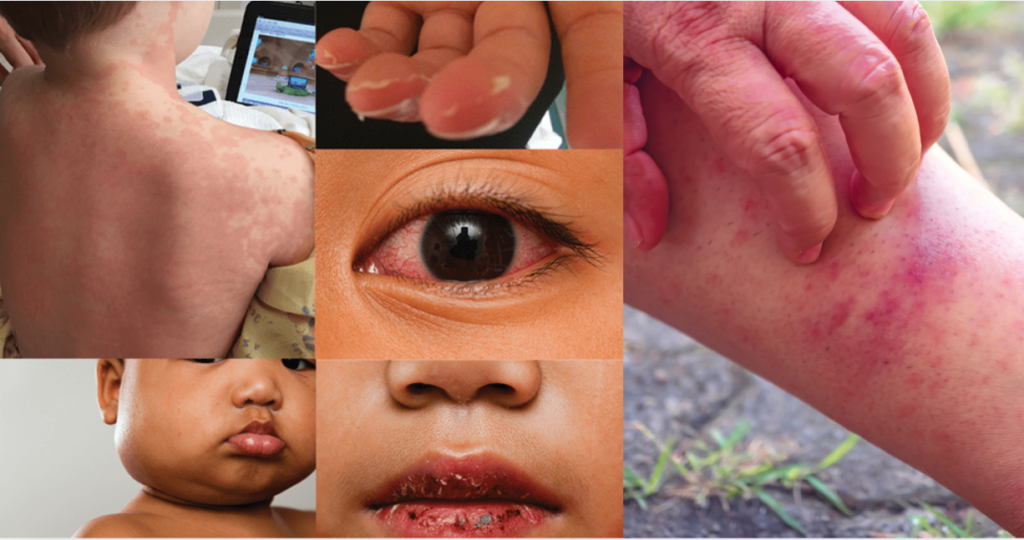
Other key symptoms include:
- Red eyes (without discharge)
- Bright red lips and cracked tongue (“strawberry tongue”)
- Rash on the body
- Swollen hands and feet
- Swollen lymph nodes in the neck
Additional symptoms
- Irritability (especially in infants)
- Joint pain
- Peeling skin on fingers or toes during recovery phase
When should you seek medical help?
You should consult a doctor immediately if a child has:
- Fever lasting more than 5 days
- Multiple Kawasaki-like symptoms
- Unusual fatigue or irritability
Causes and Risk Factors of Kawasaki Disease
The exact cause remains unknown, but researchers believe it may involve an abnormal immune response.
Possible contributing factors
- Viral or bacterial infections (trigger hypothesis)
- Genetic predisposition
- Environmental factors
Who is at higher risk?
- Children under 5
- Family history of Kawasaki disease
- Certain ethnic backgrounds (higher rates in Asian populations)
What is NOT a cause
- It is not caused by poor hygiene
- It is not caused by vaccines
- It is not contagious
Step-by-Step: Early Treatment for Kawasaki Disease
Early treatment is crucial to prevent heart damage.
1. Hospital diagnosis
Doctors typically diagnose based on:
- Symptoms
- Blood tests
- Heart evaluation (echocardiogram)
2. Intravenous immunoglobulin (IVIG)
This is the main treatment:
- Reduces inflammation
- Lowers risk of heart complications
- Most effective when given early
3. Aspirin therapy
Used under medical supervision to:
- Reduce fever and inflammation
- Prevent blood clots
4. Ongoing monitoring
Even after treatment, doctors may:
- Monitor heart health
- Perform follow-up echocardiograms
Advanced Understanding: Why Early Treatment Matters
Timing is everything in Kawasaki disease.
The critical window
Treatment within the first 10 days significantly reduces:
- Risk of coronary artery damage
- Long-term heart complications
Immune system response
IVIG helps regulate the immune system, preventing it from attacking blood vessels.
Long-term outlook
With early treatment:
- Most children recover fully
- Heart complications become rare
Common Challenges and Misdiagnosis
Kawasaki disease can be difficult to diagnose early.
Confusion with other illnesses
It may be mistaken for:
- Viral infections
- Scarlet fever
- Allergic reactions
Incomplete symptoms
Some children do not show all classic signs, making diagnosis harder.
Delayed treatment risks
Delays can increase risk of:
- Coronary artery aneurysms
- Heart complications later in life
Maximizing Recovery and Long-Term Health
After treatment, ongoing care is important.
Follow-up care
- Regular heart checkups
- Monitoring for late complications
Healthy lifestyle support
Encourage:
- Balanced nutrition
- Regular physical activity (as advised by doctors)
- Adequate rest
Emotional reassurance
Parents often feel anxious after diagnosis. Remember:
- Early treatment is highly effective
- Most children recover completely
Related topics to explore
You may also want to learn about:
- Childhood fever warning signs
- Immune system health in children
- Heart health in pediatrics
- Inflammatory diseases overview
- Early infection symptoms in kids
Conclusion
Understanding Kawasaki disease symptoms, causes, and early treatment is essential for protecting children’s health. While the condition can sound alarming, early detection and prompt medical care lead to excellent recovery outcomes in most cases.
The key is awareness—recognizing persistent fever and unusual symptoms early and seeking medical attention without delay.
With timely treatment and proper follow-up, children can recover fully and continue to grow strong and healthy.
Important Disclaimer: This article is for informational purposes only and should not replace professional medical advice. For health-related concerns, consult qualified healthcare providers. Individual cases may vary, and early medical evaluation is essential for proper diagnosis and treatment.