Meta Description: Discover the key Vitamin K benefits for strong bones and healthy blood. Learn how this essential nutrient supports clotting, bone strength, and overall wellness.
Vitamin K is one of those nutrients people don’t hear about as often as vitamin C or D, but it plays a powerful role in your health. From helping your blood clot properly to strengthening your bones, Vitamin K benefits are essential for keeping your body balanced and functioning well every day.
In this guide, you’ll discover how Vitamin K supports bone health, blood health, and overall wellness, plus the best foods and habits to make sure you’re getting enough.
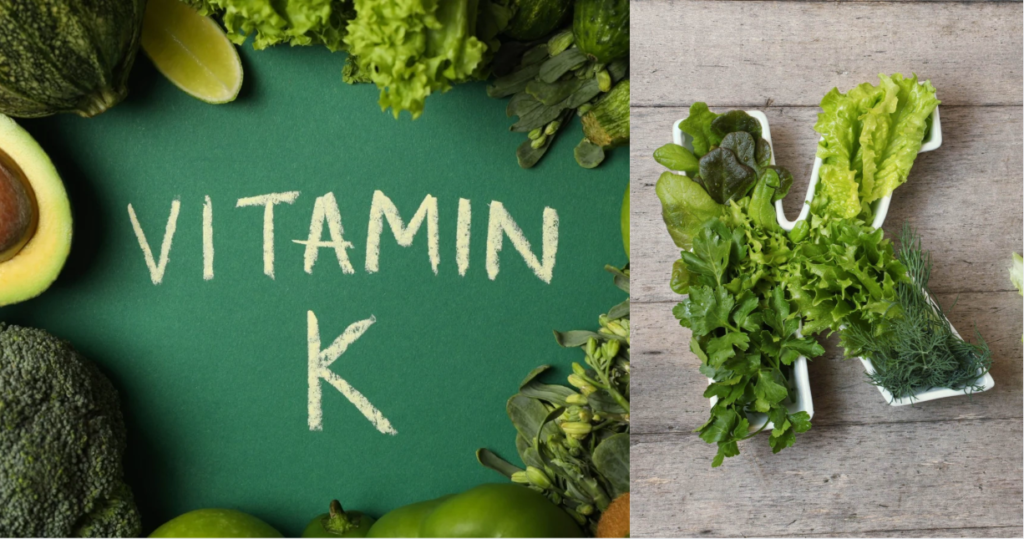
Understanding Vitamin K and Why It Matters
Before exploring the full Vitamin K benefits, it’s important to understand what it actually does in your body.
Vitamin K is a fat-soluble vitamin that comes in two main forms:
- Vitamin K1 (phylloquinone): Found mainly in leafy green vegetables
- Vitamin K2 (menaquinone): Found in fermented foods and animal products
Both forms are important, but they support different functions in your body.
What does Vitamin K do in the body?
Vitamin K plays a key role in:
- Blood clotting (healing wounds properly)
- Bone metabolism (keeping bones strong)
- Calcium regulation (preventing calcium buildup in arteries)
Without enough Vitamin K, your body may struggle to heal properly or maintain strong bones.
Key Vitamin K Benefits for Your Health
Let’s explore the most important Vitamin K benefits and how they support your body daily.
1. Supports healthy blood clotting
One of the most well-known roles of Vitamin K is helping your blood clot properly.
Why it matters:
- Prevents excessive bleeding from cuts or injuries
- Helps wounds heal faster
- Supports normal blood function
Without enough Vitamin K, even small injuries may take longer to stop bleeding.
2. Strengthens bones naturally
Vitamin K is essential for bone health because it activates proteins that help bind calcium to your bones.
Benefits include:
- Improved bone density
- Reduced risk of fractures
- Better long-term skeletal strength
This is especially important as you age, when bone loss becomes more common.
3. Helps regulate calcium in the body
Vitamin K ensures calcium goes where it is needed (bones and teeth) instead of where it can cause harm (arteries and soft tissues).
This helps:
- Protect heart and artery health
- Improve bone mineralization
- Maintain proper calcium balance
4. May support heart health
Emerging research suggests Vitamin K may help reduce calcium buildup in arteries, supporting better cardiovascular function.
While more studies are needed, early evidence shows a promising connection between Vitamin K and heart health protection.
Featured Snippet: What are the main benefits of Vitamin K?
Vitamin K benefits include supporting blood clotting, strengthening bones, and helping regulate calcium in the body. It also plays a role in cardiovascular health by preventing calcium buildup in arteries and improving bone density over time.
Best Food Sources of Vitamin K
Getting enough Vitamin K naturally is easy if you include the right foods in your diet.
Leafy green vegetables (Vitamin K1)
These are the richest sources:
- Spinach
- Kale
- Broccoli
- Cabbage
They are essential for daily Vitamin K intake.
Fermented foods (Vitamin K2)
These support gut and bone health:
- Natto (fermented soybeans)
- Kefir
- Yogurt
- Sauerkraut
Vitamin K2 is especially important for calcium regulation.
Animal-based sources
These provide smaller amounts of K2:
- Egg yolks
- Chicken
- Cheese
- Liver
How to Improve Your Vitamin K Absorption
Vitamin K is fat-soluble, meaning your body absorbs it better with dietary fats.
Simple absorption tips:
- Add olive oil to salads
- Eat avocado with greens
- Include nuts or seeds in meals
These small habits can significantly improve nutrient absorption.
Step-by-Step Guide to Boosting Vitamin K Naturally
You don’t need supplements right away—start with food-based changes.
Step 1: Add greens daily
Include at least one serving of:
- Spinach
- Kale
- Lettuce or arugula
Step 2: Include fermented foods
Try adding:
- Yogurt or kefir
- Fermented vegetables
- Cheese in moderation
Step 3: Balance your plate
A healthy meal could include:
- Leafy greens
- Healthy fats (olive oil, nuts)
- Protein source (eggs, fish, legumes)
Common Vitamin K Deficiency Signs
Low Vitamin K is not very common, but it can happen.
Possible symptoms include:
- Easy bruising
- Slow wound healing
- Excessive bleeding
- Weak bone density over time
If you notice these signs regularly, dietary changes may help.
Advanced Tips for Maximizing Vitamin K Benefits
Combine with Vitamin D and calcium
Vitamin K works best when balanced with:
- Vitamin D (for calcium absorption)
- Calcium (for bone structure)
Together, they support strong bones and overall skeletal health.
Focus on gut health
Your gut bacteria can produce small amounts of Vitamin K2, so maintaining gut health is important.
Support your microbiome with:
- Fiber-rich foods
- Probiotics
- Reduced processed sugar intake
Common Mistakes to Avoid
Ignoring dietary fats
Without fats, Vitamin K absorption decreases significantly.
Relying only on supplements
Whole foods provide better nutrient balance and additional benefits.
Avoiding greens due to taste
Leafy greens are the richest natural source of Vitamin K1 and should not be skipped.
Long-Term Strategy for Strong Bones and Healthy Blood
To fully benefit from Vitamin K benefits, consistency is key.
Build daily habits:
- Eat leafy greens regularly
- Include healthy fats in meals
- Consume fermented foods weekly
Support overall bone health:
- Stay physically active
- Get enough Vitamin D from sunlight
- Maintain a balanced diet
Conclusion
Vitamin K is a powerful yet often overlooked nutrient that plays a vital role in your overall health. Its benefits for blood clotting, bone strength, and calcium regulation make it essential for long-term wellness.
By including leafy greens, fermented foods, and healthy fats in your diet, you can naturally support your Vitamin K intake and improve your overall health.
Start small, stay consistent, and let this essential nutrient help build stronger bones and healthier blood for years to come.