Meta Description: Discover how your kidneys work, signs of hidden kidney damage, and ways to protect kidney health through simple daily habits and early prevention strategies.
Your kidneys work quietly every single day, filtering waste, balancing fluids, and keeping your blood clean. Most of the time, you don’t even notice them—until something goes wrong. The challenge is that kidney damage often develops silently, long before symptoms appear.
Understanding the difference between healthy kidney function vs hidden damage is essential if you want to protect your long-term health. In this guide, you’ll learn how your kidneys work, early warning signs of trouble, and practical ways to keep them strong.
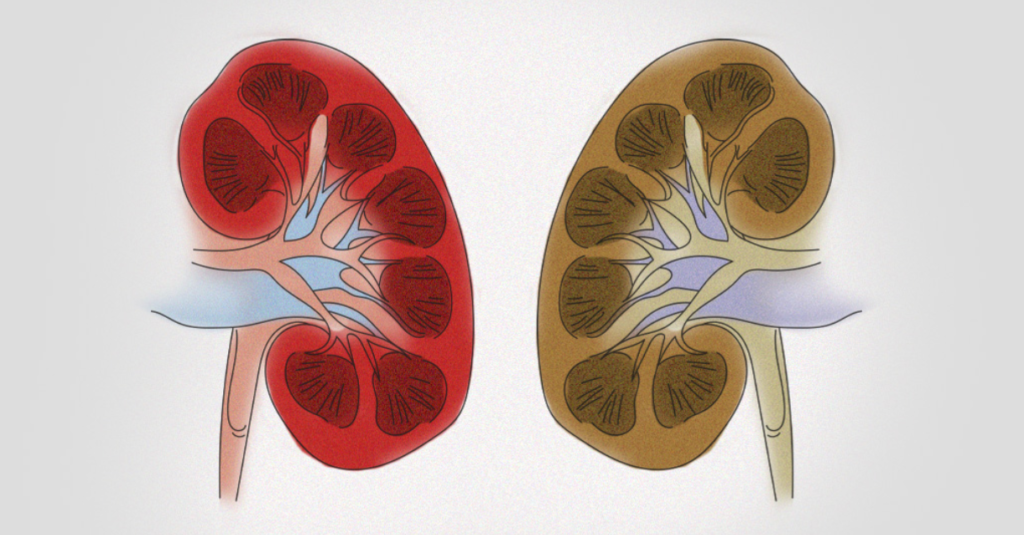
Understanding How Healthy Kidneys Work
Your kidneys are two bean-shaped organs located on each side of your lower back. Even though they are small, they perform powerful life-sustaining functions.
Main roles of healthy kidneys
Healthy kidneys are responsible for:
- Filtering waste and toxins from the blood
- Balancing water and electrolytes
- Controlling blood pressure
- Producing hormones for red blood cell production
- Supporting bone health through vitamin D activation
When your kidneys are working properly, your whole body stays balanced and energized.
What does “healthy kidney function” feel like?
In reality, healthy kidneys don’t create noticeable sensations. Signs of good kidney health include:
- Stable energy levels
- Normal urination patterns
- No swelling in hands or feet
- Balanced blood pressure
Because they work silently, kidney health is often taken for granted.
Hidden Kidney Damage: Why It Often Goes Unnoticed
One of the biggest dangers of kidney disease is that it develops slowly and quietly.
Why kidney damage is called a “silent condition”
Kidneys can lose function gradually without obvious symptoms because:
- The body compensates for lost function
- Early damage does not cause pain
- Symptoms appear only in advanced stages
This is why many people discover kidney problems late.
Early warning signs you should never ignore
While early stages are subtle, some signs may include:
- Persistent fatigue
- Swelling in ankles, feet, or hands
- Changes in urination (frequency or color)
- Foamy or bubbly urine
- Loss of appetite
- Mild nausea
These symptoms don’t always mean kidney disease, but they should be checked.
Featured Snippet: What are signs of hidden kidney damage?
Hidden kidney damage may show early signs such as fatigue, swelling in the legs or ankles, changes in urination, foamy urine, and unexplained weakness. Because kidneys can lose function gradually without pain, symptoms often appear only in later stages, making early screening important.
Common Causes of Kidney Stress and Damage
Understanding what harms your kidneys helps you protect them better.
1. High blood pressure
Uncontrolled blood pressure puts constant pressure on kidney blood vessels, slowly damaging them.
2. Diabetes
High blood sugar levels can damage kidney filtering units over time.
3. Poor diet
A diet high in:
- Salt
- Processed foods
- Sugar
can increase kidney strain.
4. Dehydration
Not drinking enough water makes it harder for kidneys to flush toxins efficiently.
5. Overuse of medications
Frequent use of certain painkillers can stress kidney function when taken long-term.
Step-by-Step Guide to Supporting Kidney Health
Protecting your kidneys doesn’t require complicated routines—just consistent habits.
Step 1: Stay properly hydrated
Water helps kidneys flush out waste effectively.
- Aim for regular water intake throughout the day
- Adjust intake based on climate and activity level
Step 2: Eat kidney-friendly foods
Include foods that reduce inflammation and support filtration:
- Fruits (apples, berries)
- Vegetables (cucumber, cabbage, spinach)
- Healthy fats (olive oil, nuts)
Step 3: Control salt intake
Too much sodium increases blood pressure and kidney stress.
Try to:
- Limit processed foods
- Cook more meals at home
- Use herbs instead of excess salt
Advanced Strategies to Protect Kidney Function
Maintain stable blood sugar and pressure
Keeping these levels in balance is one of the strongest protections for your kidneys.
Support circulation and detox pathways
Healthy blood flow helps kidneys filter waste efficiently.
Helpful habits include:
- Regular walking
- Light exercise
- Stretching routines
Strengthen overall metabolic health
Your kidneys don’t work alone. Liver health, heart health, and gut health all influence them.
Focus on:
- Balanced meals
- Fiber-rich foods
- Reduced sugar intake
Common Mistakes That Harm Kidney Health
Ignoring early symptoms
Many people dismiss fatigue or swelling until damage progresses.
Drinking too little water
Chronic dehydration is one of the most common hidden stress factors.
Overusing pain medications
Frequent use without medical guidance can affect long-term kidney function.
Long-Term Strategy for Strong and Healthy Kidneys
If you want lasting kidney health, consistency matters more than perfection.
Build daily protective habits:
- Drink enough water
- Eat whole, natural foods
- Stay physically active
- Monitor blood pressure
Schedule regular health checks
Simple blood and urine tests can detect kidney issues early—before symptoms appear.
Protect your cardiovascular health
Healthy kidneys depend heavily on healthy blood flow and stable blood pressure.
Conclusion
Your kidneys work silently every day, filtering toxins and keeping your body in balance. While healthy kidney function is often unnoticed, hidden damage can develop quietly over time.
The good news is that you can protect your kidneys with simple, consistent habits—hydration, balanced nutrition, regular movement, and routine check-ups.
By understanding the difference between healthy function and early warning signs, you take control of your long-term health. Start small, stay consistent, and give your kidneys the care they deserve for a stronger, healthier future.