Meta Description: Explore the most common causes of leg pain, including muscle cramps, nerve pain, vascular conditions, and joint disorders, and learn how to recognize their distinguishing features.
Leg pain is a common complaint that can range from mild discomfort to severe, debilitating symptoms. Because the legs contain muscles, bones, joints, nerves, and blood vessels, pain can originate from many different structures. Understanding the characteristics of different types of leg pain can help identify potential causes and guide appropriate medical evaluation.
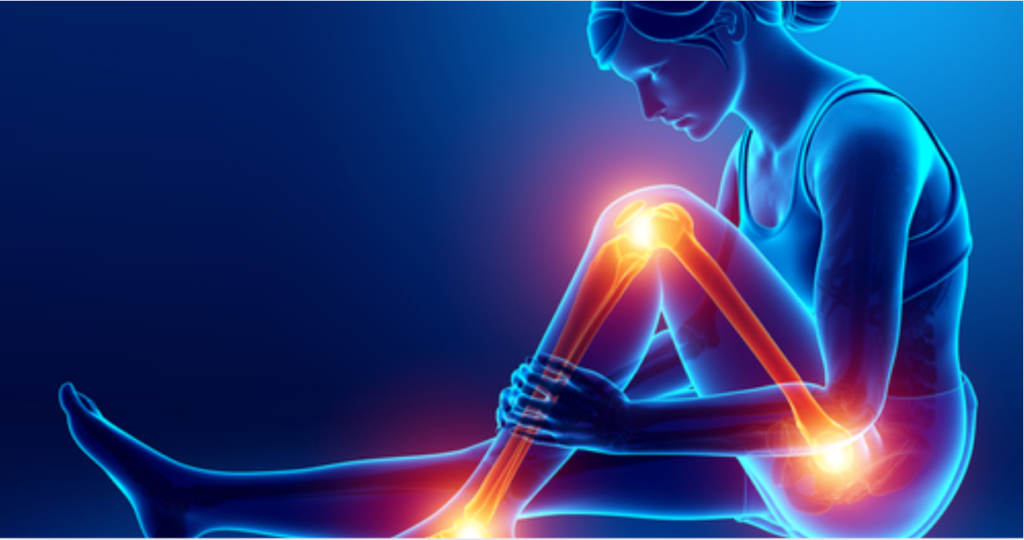
Featured Snippet: What are the most common causes of leg pain?
Common causes of leg pain include muscle cramps, strains, sciatica, arthritis, poor circulation, deep vein thrombosis (DVT), and overuse injuries. The location, severity, and associated symptoms often help distinguish between these conditions.
Muscle Cramps
What it feels like
- Sudden, intense tightening of a muscle
- Often occurs in the calf
- Can last from seconds to minutes
Common causes
- Dehydration
- Electrolyte imbalance
- Overexertion
- Prolonged sitting or standing
Related condition
Dehydration
Muscle Strain
What it feels like
- Aching or sharp pain
- Tenderness in the affected muscle
- Pain worsens with movement
Common causes
- Exercise-related injury
- Lifting heavy objects
- Sudden stretching
Sciatica
Sciatica
What it feels like
- Shooting or burning pain
- Pain radiating from the lower back into the leg
- Tingling or numbness
Common causes
- Herniated disc
- Spinal stenosis
- Nerve compression
Featured Snippet: How do you know if leg pain is sciatica?
Sciatica typically causes radiating pain that travels from the lower back through the buttock and down the leg, often accompanied by tingling, numbness, or weakness.
Arthritis-Related Leg Pain
What it feels like
- Joint stiffness
- Aching pain
- Reduced mobility
Commonly affected joints
- Knees
- Hips
- Ankles
Related condition
Osteoarthritis
Peripheral Artery Disease (PAD)
Peripheral artery disease
What it feels like
- Cramping during walking
- Pain relieved by rest
- Leg fatigue
Why it occurs
Reduced blood flow limits oxygen delivery to muscles.
Deep Vein Thrombosis (DVT)
Deep vein thrombosis
Symptoms may include
- Swelling in one leg
- Warmth
- Tenderness
- Redness
Medical importance
DVT requires urgent medical evaluation because the clot can travel to the lungs.
Nerve Pain (Neuropathy)
What it feels like
- Burning
- Tingling
- Electric shock sensations
- Numbness
Related condition
Peripheral neuropathy
Common causes
- Diabetes
- Vitamin deficiencies
- Nerve injury
Shin Splints
What it feels like
- Pain along the shinbone
- Tenderness during exercise
- Improves with rest
Common causes
- Running
- High-impact activities
- Sudden increase in training intensity
Restless Legs Syndrome (RLS)
Restless legs syndrome
Symptoms
- Crawling or tingling sensations
- Urge to move the legs
- Symptoms worsen during rest
Leg Pain Warning Signs
Seek prompt medical attention if leg pain is associated with:
- Sudden swelling
- Chest pain
- Shortness of breath
- Loss of sensation
- Severe weakness
- Skin discoloration
Comparing Common Types of Leg Pain
| Condition | Typical Pain Type | Common Location |
|---|---|---|
| Muscle cramp | Sudden tightening | Calf |
| Muscle strain | Aching or sharp | Muscle group |
| Sciatica | Radiating, burning | Lower back to leg |
| Arthritis | Joint pain and stiffness | Knees, hips |
| PAD | Cramping with activity | Calves |
| DVT | Tender, swollen leg | Usually one leg |
| Neuropathy | Burning, tingling | Feet and legs |
| Shin splints | Exercise-related pain | Shin area |
Supporting Leg Health
Healthy habits
- Stay physically active
- Maintain hydration
- Stretch regularly
- Manage chronic conditions
- Wear supportive footwear
Related concept
Circulation
Common Myths About Leg Pain
Myth: All leg pain is caused by aging
Leg pain can affect people of all ages and may result from injury, nerve issues, or vascular conditions.
Myth: Pain during walking is normal
Pain that consistently occurs with activity may indicate an underlying problem such as PAD.
Myth: Swollen legs are always harmless
Sudden swelling may signal a serious condition such as DVT and should not be ignored.
Internal Linking Opportunities
This topic connects well with:
- Arthritis and joint health
- Sciatica and back pain
- Peripheral neuropathy
- Deep vein thrombosis
- Hydration and muscle cramps
Conclusion
Leg pain can arise from muscles, joints, nerves, or blood vessels, and each type has distinct characteristics. Understanding the location, quality, and associated symptoms of pain can provide valuable clues about its underlying cause.
While many cases improve with rest and lifestyle adjustments, persistent, severe, or unexplained leg pain should be evaluated by a healthcare professional to ensure proper diagnosis and treatment.
Important Disclaimer: This article is for educational purposes only and should not replace professional medical advice. Anyone experiencing severe leg pain, sudden swelling, or symptoms suggestive of a blood clot should seek immediate medical attention.